
Modern Wonders: How Tourism Fuels Innovation Across the Globe
: The silent partnership between travelers and progress.

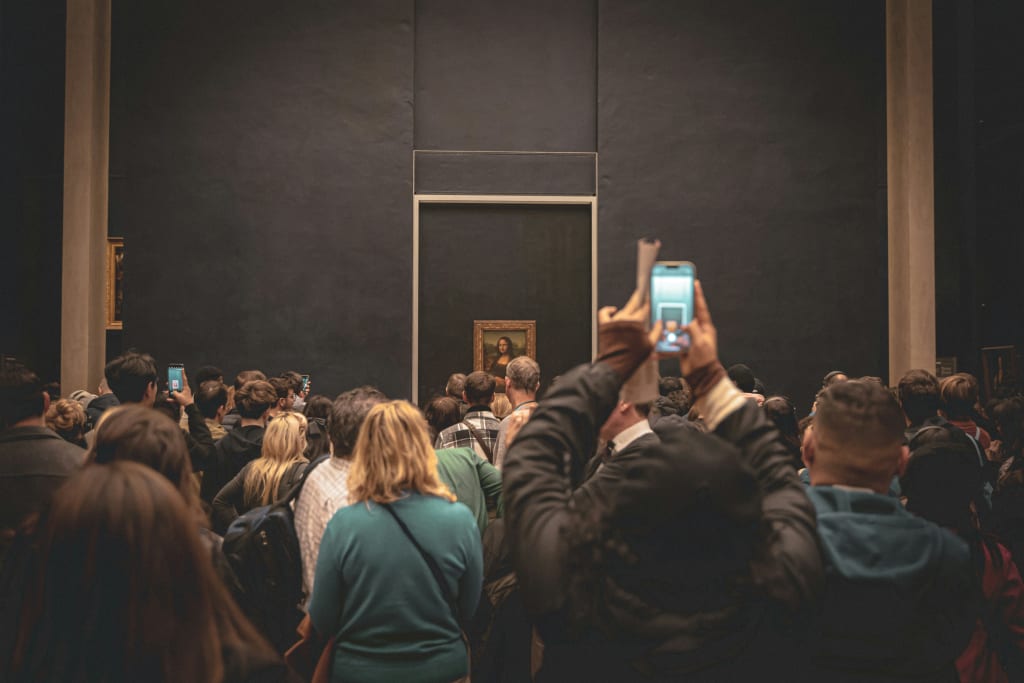
Tourism is often seen as leisure, a chance to escape daily routines and explore new places. But beneath the surface, tourism quietly drives one of the most powerful forces in the modern world: innovation. From smart cities to sustainable hotels, the presence of international visitors challenges nations to evolve, rethink, and create. Every tourist who arrives not only leaves a footprint on the land but also inspires progress that benefits both travelers and locals.
Consider cities like Singapore, Dubai, and Tokyo. Their gleaming skylines, high-speed transport systems, and cutting-edge technology aren’t just architectural marvels—they are the direct result of meeting the expectations of global travelers. Tourists demand efficiency, comfort, and convenience, and countries respond by innovating faster than ever before. Airports become hubs of automation, transportation networks expand, and public services modernize, benefiting residents and visitors alike.
Dubai is a striking example of tourism-driven innovation. Once a desert trading town, it now boasts the tallest building in the world, artificial islands shaped like palm trees, luxury resorts, and some of the world’s most advanced shopping complexes. These achievements were driven by a strategic vision: attract global tourists, and the city will transform itself. From futuristic hotels with robotic services to world-class museums and theme parks, Dubai illustrates how tourism can be a blueprint for innovation and modernization.
Innovation also extends to cultural experiences. Museums now integrate augmented reality, guided tours include interactive apps, and festivals embrace technology to provide richer experiences. Venice, for instance, has experimented with digital ticketing and crowd management to protect historic sites, balancing the influx of millions of tourists with preservation efforts. Countries often use tourism as a testing ground for new technologies, which later benefit everyday citizens. Smart street lighting, cashless payments, and eco-friendly public transport systems often emerge from cities responding to tourist needs.
Tourism-driven innovation isn’t limited to technology. It encourages creativity, entrepreneurship, and economic diversification. Countries see opportunities to develop new industries, from luxury hospitality to ecotourism. Iceland, once remote and sparsely populated, became a hotspot for adventure tourism, inspiring local businesses to innovate with unique experiences like geothermal spas, guided glacier treks, and sustainable travel programs. The presence of international visitors encouraged Iceland to develop infrastructure, safety systems, and communication services that serve both tourists and citizens.
Economic incentives are a major driver. According to the World Travel & Tourism Council, tourism accounts for 10% of global GDP, employing millions worldwide. To attract visitors, nations compete by offering modern facilities, efficient services, and innovative attractions. From smart hotel check-ins to AI-powered city guides, the race to attract tourists becomes a race to innovate. Countries transform not only for profit but to create environments that reflect a forward-thinking, modern identity.
Tourism also fosters global collaboration. International travelers bring ideas, expectations, and feedback that inspire local innovation. Cities host international conferences, cultural exchanges, and global events, which encourage cross-cultural collaboration. Dubai, for instance, hosts international expos that showcase futuristic solutions in sustainability, technology, and urban planning. These events attract tourists and simultaneously create an incubator for ideas that shape modern living.
Moreover, tourism encourages environmental innovation. Resorts and hotels are increasingly adopting sustainable practices to appeal to eco-conscious travelers. Solar energy, water recycling, smart climate control, and zero-waste programs are now being implemented in countries that rely on tourism for revenue. From Bali to Costa Rica, sustainability-driven innovation has become a key selling point, proving that tourism can incentivize both modernization and environmental responsibility.
Yet, innovation comes with challenges. Rapid modernization can risk over-commercialization or loss of cultural authenticity. Countries must balance technological advancement with sustainability, ensuring that development benefits both tourists and local communities. Over-tourism in places like Venice or Bali has sparked debates on responsible growth and innovation that doesn’t compromise heritage. However, when managed carefully, tourism-driven innovation can enhance cultural preservation rather than threaten it.
Despite challenges, tourism remains a catalyst for progress. Every city that invests in modern infrastructure, every festival that incorporates technology, and every tourist-friendly initiative reflects a silent partnership between travelers and nations. By demanding better experiences, tourists unknowingly encourage countries to evolve, innovate, and envision a future that is efficient, sustainable, and culturally rich.
In essence, tourism is more than sightseeing—it is a driving force behind modern wonders. It fuels technological progress, inspires cultural creativity, accelerates economic growth, and encourages sustainability. When people travel, they leave footprints not just on the ground but in the way societies innovate. Every journey becomes part of a larger story of global progress, where tourism and innovation go hand in hand, shaping the modern world one visitor at a time.
About the Creator
Nangyal khan
Housewife with a master's degree,writing to find meaning and peace.I believe every stage of life has purpose,and through my word, i hope to show how women can create space for growth,strength,and self-expression.
Keep reading
More stories from Nangyal khan and writers in Motivation and other communities.
Offline in a Smart City: My Digital Detox Journey in the UAE
In a city where everything runs on data, going offline felt almost impossible. The UAE is built on innovation — from driverless taxis to AI-powered coffee shops, it’s a place where technology doesn’t just assist life; it is life. Yet one Friday morning, I caught myself refreshing my phone before I’d even opened the blinds. My thumb moved on instinct, like muscle memory, and I realized I couldn’t remember the last time I’d been bored — or still. That’s when I decided: I needed a break from the scroll.
By Nangyal khan3 months ago in Motivation


Comments
There are no comments for this story
Be the first to respond and start the conversation.