
Inspirational story of Vellupillai Prabakaran
A warrior

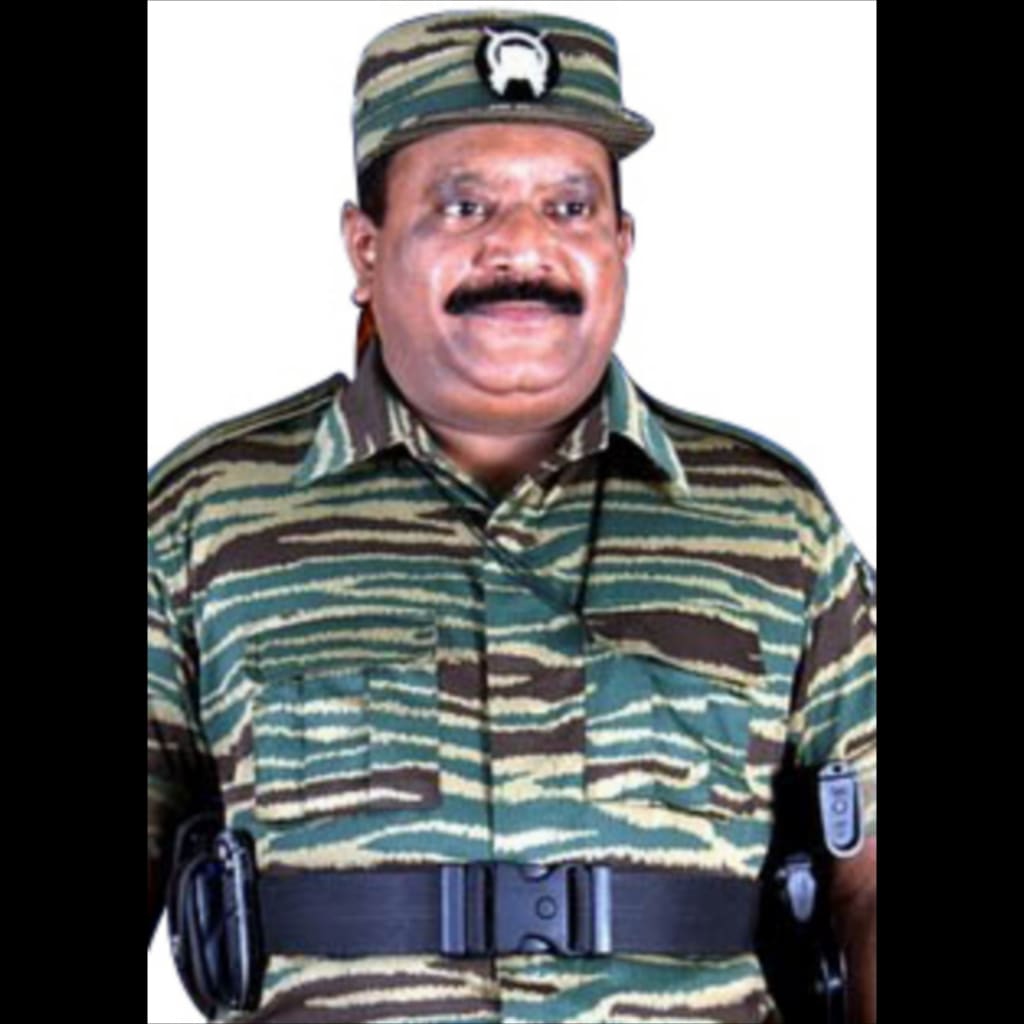
Inspirational Story Of Vellupillai Prabhakar
Vellupillai Prabhakaran, founder and leader of the Liberation Tigers of Tamil Eelam (LTTE), was a highly controversial figure in Sri Lanka’s modern history. Known for his dedication to the Tamil nationalist cause and his ability to inspire fierce loyalty among his followers, his life story can be viewed as one of passionate conviction and complex motives. Here is a narrative-style story based on his life that portrays his motivations and early ambitions without romanticizing the path he ultimately chose.
The Tale of Vellupillai Prabhakaran: A Warrior’s Vision
In the dense, green landscape of northern Sri Lanka, a young boy named Vellupillai Prabhakaran grew up surrounded by whispers of struggle and the yearning for justice. Born in the small coastal town of Velvettithurai, Prabhakaran was raised amidst a proud Tamil community whose identity and history stretched back thousands of years. From a young age, he became aware of the growing tension between the Sinhalese majority and the Tamil minority in Sri Lanka. As he observed the discrimination and violence his people faced, a deep sense of injustice took root in his heart.
As Prabhakaran grew, so did his resolve. He was not born into wealth or privilege, but he had an unyielding sense of purpose. Even as a teenager, he spoke with intensity about the suffering of the Tamil people, envisioning a future where they could live with dignity and self-respect. Stories of other freedom fighters around the world inspired him, and he read about leaders who had fought against colonizers and oppressors. He wanted to be a hero for his people, to carve out a place in the world where they could live freely.
In the 1970s, discrimination against Tamils worsened, and with each passing year, Prabhakaran grew more determined to act. At just 18, he formed a small group of dedicated young men, sharing his vision of liberation. With no formal military training, Prabhakaran relied on his fierce passion, intelligence, and ability to inspire others. His charisma attracted followers, many of whom were young men who, like him, felt disillusioned by a system they believed would never change.
The Liberation Tigers of Tamil Eelam, or LTTE, was born out of this determination. Prabhakaran and his small band of fighters began with simple acts of defiance, targeting symbols of the state that they felt represented oppression. Over time, these acts escalated, and the LTTE quickly gained notoriety as a formidable resistance movement. Prabhakaran’s strategic mind and dedication to discipline made his organization one of the most organized and effective insurgent groups in the world.
Prabhakaran believed that to secure the Tamil people’s future, he needed to create a homeland, an independent Tamil Eelam. He saw this goal as worth any sacrifice, including his own life. His commitment to this vision was unwavering, and he demanded the same dedication from his followers. Under his leadership, the LTTE established a quasi-state within Sri Lanka’s northern and eastern regions, complete with schools, hospitals, and administrative systems, providing services that were often lacking due to the conflict.
Prabhakaran’s life, however, was marked by contradictions. While he inspired intense loyalty, he was also known for his ruthless discipline. Those who opposed or questioned him were often met with severe consequences. His insistence on loyalty to the cause created an organization that was as feared as it was respected.
As the war dragged on, the LTTE’s tactics grew increasingly extreme, and Prabhakaran became a highly controversial figure. To some, he was a liberator, fighting for a marginalized people. To others, he was a dictator who used terror to achieve his goals. Despite these differing perspectives, Prabhakaran remained undeterred, holding on to his vision even as the Sri Lankan military intensified its efforts to dismantle the LTTE.
In May 2009, after decades of conflict, Prabhakaran’s life came to an end in a final confrontation with the Sri Lankan military. His dream of Tamil Eelam remained unrealized, and the conflict left deep scars on both the Tamil and Sinhalese communities.
Prabhakaran’s story is one of fierce conviction and determination, but it is also a story of the devastating impact that a relentless pursuit of ideals can have. His life leaves us with questions about the cost of freedom, the power of identity, and the lengths one might go to in pursuit of justice. Whether seen as a freedom fighter or a divisive leader, Prabhakaran’s legacy is a reminder of the complexity of human motivation and the resilience of those who strive to create a place of belonging for their people.
About the Creator
Keep reading
More stories from Luna 🌼 and writers in Motivation and other communities.
Story Of kamarajar
The Inspirational Story of Kamarajar Introduction Kamarajar, known as the "Kingmaker" of Indian politics, was a leader whose life story is filled with inspiration, determination, and an unwavering commitment to the welfare of his people. Born on July 15, 1903, in a small village in Tamil Nadu, he rose from humble beginnings to become the Chief Minister of the state, leaving an indelible mark on Indian politics.
By Luna 🌼about a year ago in Motivation
The Call He Almost Ignored
The phone rang at 6:47 a.m., slicing through the quiet of an unfinished morning. Adnan stared at the screen, eyes half-open, heart already tired. Unknown number. He let it ring. Life had taught him that most unexpected calls carried either problems or disappointment.
By shakir hamid5 days ago in Motivation



Comments
There are no comments for this story
Be the first to respond and start the conversation.