
How to Train Your Brain: A Guide to Mental Fitness
Unlocking Cognitive Potential Through Daily Habits and Mental Fitness Strategies

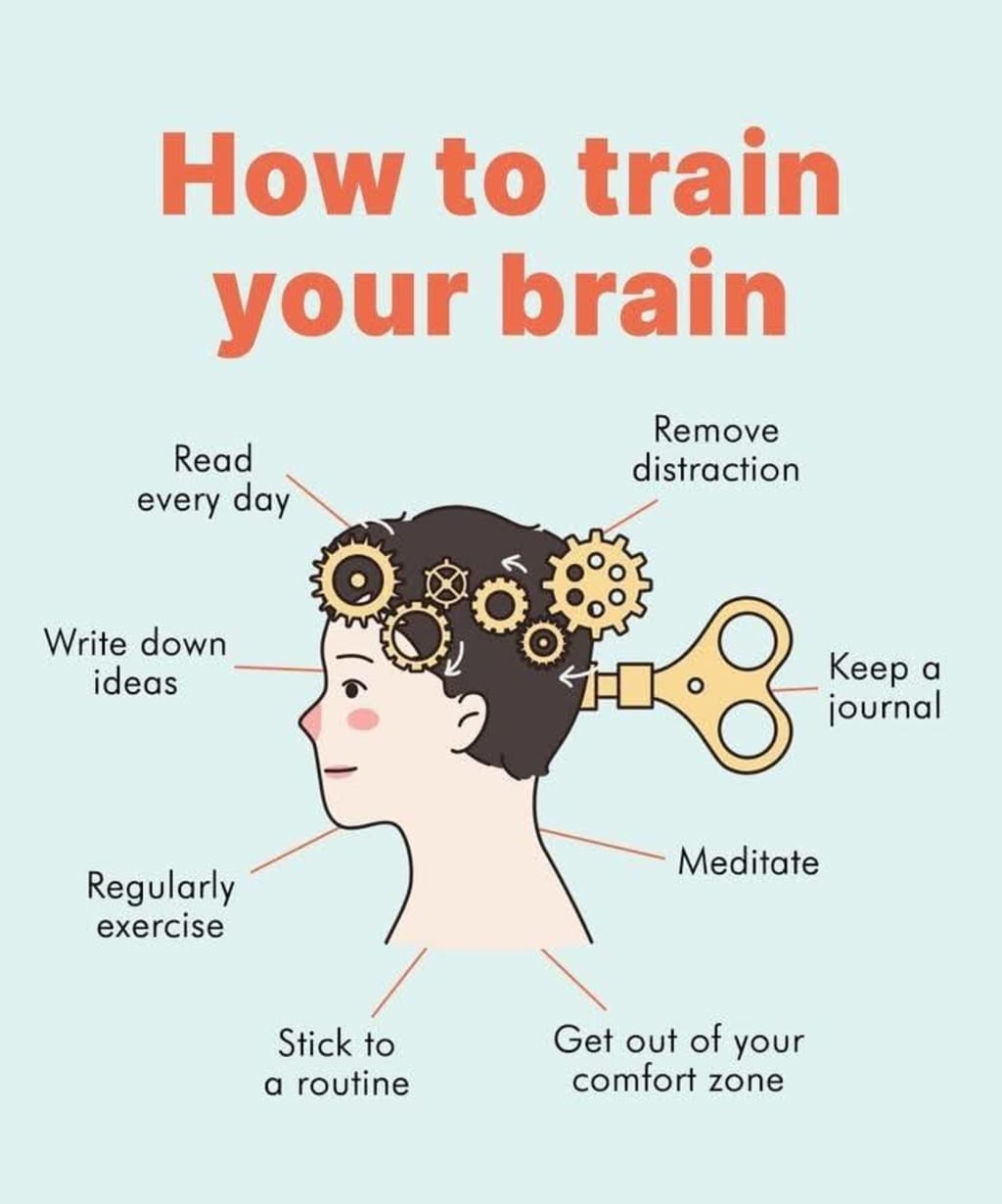
Just as physical exercise strengthens the body, mental training strengthens the brain. In today’s fast-paced and demanding world, a sharp and focused mind is essential. Whether you're aiming to improve memory, concentration, creativity, or overall cognitive health, brain training is a valuable and attainable goal. This article explores effective strategies to train your brain and unlock your full mental potential.
Understanding Brain Plasticity
The human brain has an extraordinary ability known as neuroplasticity. This means it can change, adapt, and rewire itself based on new experiences, learning, and practice. Training your brain is essentially about creating new neural pathways and reinforcing positive mental habits. The more you challenge and stimulate your brain, the more agile and efficient it becomes.
1. Engage in Lifelong Learning
One of the best ways to keep your brain sharp is to continuously learn. New knowledge and skills stimulate neural activity and help build cognitive reserves. This could be learning a new language, picking up a musical instrument, or studying a subject outside your usual interests.
Try setting aside time daily or weekly to explore something new. Reading books, watching educational documentaries, or enrolling in online courses can all contribute to your mental growth. Lifelong learning not only enhances brain function but also increases self-confidence and adaptability.
2. Practice Mental Exercises
Just as muscles need resistance to grow stronger, the brain needs challenges to remain sharp. Puzzles like crosswords, Sudoku, and logic games are excellent for enhancing problem-solving skills and memory. Brain-training apps like Lumosity, Peak, or Elevate offer exercises targeting different aspects of cognition, including speed, attention, and flexibility.
Playing chess or other strategic games improves critical thinking, while memory games strengthen your recall abilities. The key is consistency—regular mental workouts are more beneficial than occasional bursts of activity.
3. Develop a Reading Habit
Reading is a powerful mental exercise. It improves vocabulary, comprehension, and focus while engaging various parts of the brain. Fiction enhances imagination and empathy by allowing you to experience different perspectives, while non-fiction expands your knowledge base and critical thinking.
Try setting a goal to read a certain number of pages or books each month. Diversify your reading material to challenge your brain with different writing styles and subjects.
4. Exercise Regularly
Physical and mental health are deeply connected. Exercise increases blood flow to the brain, reduces stress hormones, and promotes the release of brain-derived neurotrophic factor (BDNF), which supports the growth of new neurons.
Activities such as aerobic exercise, yoga, and strength training can significantly improve memory, attention, and mental clarity. Even a daily walk can help reduce brain fog and improve mood. Aim for at least 30 minutes of moderate exercise most days of the week.
5. Prioritize Sleep
Sleep plays a crucial role in brain function. During deep sleep, the brain consolidates memories, clears out toxins, and recharges for the next day. Lack of sleep can lead to impaired judgment, memory loss, and decreased concentration.
Adults should aim for 7-9 hours of quality sleep each night. To improve sleep hygiene, maintain a consistent sleep schedule, avoid screens before bedtime, and create a restful environment.
6. Eat Brain-Boosting Foods
Nutrition has a direct impact on brain performance. A balanced diet rich in antioxidants, healthy fats, vitamins, and minerals supports cognitive health. Foods like fatty fish, blueberries, nuts, dark chocolate, and leafy greens are particularly beneficial for the brain.
Stay hydrated, limit sugar and processed foods, and consider including omega-3 supplements if your diet lacks fish. A well-nourished brain is more alert, resilient, and capable of learning.
7. Practice Mindfulness and Meditation
Mindfulness meditation has been shown to enhance attention, emotional regulation, and memory. By focusing on the present moment, you can train your brain to reduce anxiety and increase clarity. Even a few minutes of daily meditation can have long-term cognitive benefits.
Breathing exercises, yoga, or simply paying attention to your surroundings can help cultivate mindfulness. These practices promote relaxation and improve your brain’s ability to process and retain information.
8. Socialize and Connect
Social interaction is vital for brain health. Engaging in meaningful conversations, sharing experiences, and participating in group activities stimulate mental processes and combat feelings of isolation. Socializing keeps your brain active and supports emotional well-being.
Make time to connect with family and friends, join clubs or classes, or volunteer in your community. Strong social ties are linked to better memory, faster cognition, and a longer lifespan.
9. Stay Organized and Set Goals
An organized mind is a productive mind. Use calendars, planners, or digital tools to manage tasks, set goals, and prioritize activities. Breaking big goals into smaller, manageable steps helps train your brain to focus and stay on track.
Setting clear objectives also gives your brain a purpose and motivates you to improve. Celebrate small achievements along the way to reinforce positive behavior.
Conclusion
Training your brain is a lifelong journey that pays off in improved focus, memory, problem-solving, and overall mental agility. By incorporating a variety of habits—mental challenges, physical exercise, proper nutrition, mindfulness, and social connections—you can create a well-rounded routine for cognitive growth.
Remember, it’s not about perfection but consistency. Even small daily efforts can lead to significant improvements in brain function over time. Just like any muscle, your brain thrives on regular use and healthy challenges. Start today, and empower your mind for a smarter, healthier tomorrow.
About the Creator
Keep reading
More stories from DigitalAddi and writers in Motivation and other communities.
People who frequently wake up at night to urinate should pay attention to this
Waking up in the middle of the night to use the bathroom once in a while is usually no big deal. Maybe you drank a bit too much water before bed or had a late-night tea. But if this becomes a regular occurrence—happening night after night—it could be a sign of something more serious. This condition, known as nocturia, affects millions of people worldwide, especially as they age. And while it's often dismissed as just another part of getting older, it can sometimes indicate an underlying health issue that needs attention.
By DigitalAddi9 months ago in Journal
What I do to not lose my creative spark
The origin of creativity is in the mind, what you can imagine, you can bring to life. You can’t create something you’ve never imagined or envisioned (unless by accident), so this goes to show you that a lot of the creative process takes place in our mind and what else is in the mind? Memories.
By real Jema6 days ago in Motivation


Comments
There are no comments for this story
Be the first to respond and start the conversation.