
How To Stop Wanting to Buy Stuff | Frugal Living
Break Free from Impulse Spending and Build a Life You Don’t Need to Escape From

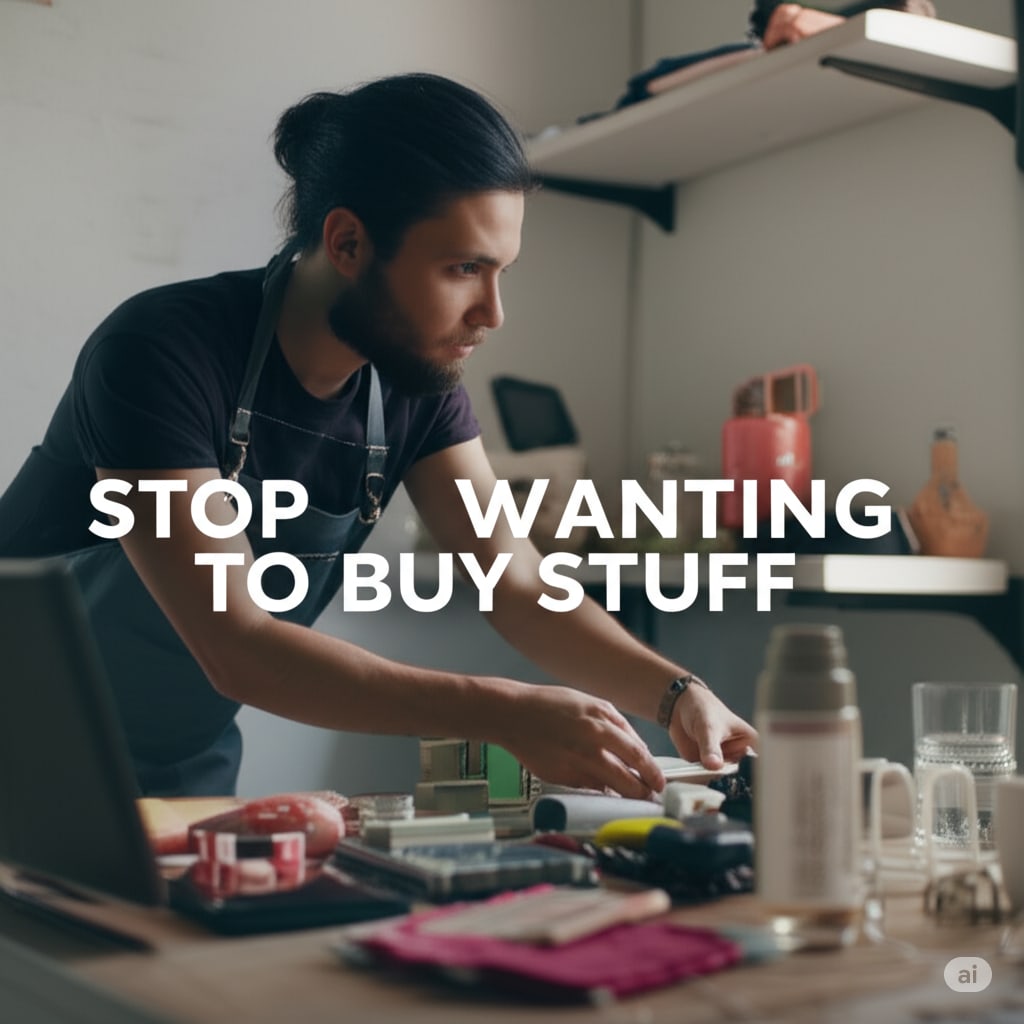
I was standing in the checkout line—again—with stuff I didn’t need, just because I had a bad day. A candle I’d never light. A shirt I didn’t love. Another planner I’d never use. The hit of dopamine was real… but so was the regret 20 minutes later.
If this sounds like you, you're not alone.
In a world where every scroll shows us what we don’t have, it’s no wonder we feel like we’re constantly behind. But what if you could break that cycle—not by depriving yourself, but by learning how to genuinely want less?
This post is your wake-up call (with zero shame and lots of support). Because learning how to stop wanting to buy stuff is one of the most freeing steps you can take toward frugal living—and toward peace.
Let’s get into it.
Why We Keep Wanting to Buy Things (Even When We Know Better)
Before we talk strategy, let’s talk truth: wanting to buy stuff isn’t a moral failure. It’s usually a coping mechanism, a habit, or a result of clever marketing.
We buy when we’re:
Bored
Anxious
Lonely
Comparing ourselves to others
Celebrating
Avoiding something
Marketers want us to feel like buying is the solution. That’s literally their job. But the reality? The high never lasts.
Frugal living doesn’t mean becoming a joyless minimalist or never spending again—it’s about shifting your relationship with money so that you’re in control, not your cravings.
So, how do you stop wanting to buy stuff all the time? Let’s break it down.
12 Real Tips to Stop Wanting to Buy Stuff
1. Name What You’re Really Feeling
Speed of results: Immediate awareness
When that urge to buy something hits, pause and ask: What am I actually feeling right now?
You might be trying to soothe stress, distract from a tough day, or fill a deeper emotional need. Naming the emotion helps disconnect it from the false “solution” of shopping.
Example: Instead of, “I need a new water bottle,” you might realize, “I’m anxious and need something to look forward to.”
Pro: Builds emotional intelligence
Con: It takes practice to sit with uncomfortable feelings
2. Create a 48-Hour List
Speed of results: 2 days per item
Before buying anything non-essential, put it on a “Want List” with today’s date. Wait 48 hours before acting on it.
Often, the desire fades—and if it doesn’t, you’ve had time to weigh it more rationally.
Example: That trendy gadget might not feel so urgent after two days.
Pro: Curbs impulsive buys
Con: Requires a little discipline (but gets easier over time)
3. Unfollow, Unsubscribe, Unplug
Speed of results: Immediate
Your environment fuels your desires. The more ads, influencers, and “hauls” you’re exposed to, the more you’ll want.
Mute, unfollow, or unsubscribe from anything that tempts you to buy stuff you didn’t want before seeing it.
Pro: Reduces triggers
Con: Might create FOMO at first (but trust me—it passes)
4. Shift From “I Can’t” to “I Choose Not To”
Speed of results: Immediate mindset shift
Saying “I can’t afford that” or “I shouldn’t buy that” creates resistance. It feels like a punishment.
Instead, say: “I’m choosing not to spend money on this because I’m building something better.”
That reframe gives you back your power.
Pro: Builds self-respect
Con: May take a while to believe at first.
5. Have a No-Spend Challenge (Even Just for a Week)
Speed of results: 7 days
A no-spend challenge resets your habits and builds awareness.
Pick a week (or a month!) where you don’t buy anything non-essential. Journal what comes up emotionally and what triggers your desire to spend.
Pro: Rapid insight and clarity
Con: Can be tough without a support system
6. Replace the Habit With Something Else
Speed of results: 1–2 weeks
If shopping is your go-to for stress relief, you need a new outlet.
Try walking, doodling, texting a friend, or listening to a podcast when the urge strikes.
Example: Instead of browsing Amazon, you open a meditation app.
Pro: Healthier coping
Con: The first few days are the hardest
7. Know Your Triggers
Speed of results: Immediate once identified
Is it a certain time of day? A person you talk to? Social media? Boredom?
Identifying what triggers your spending cravings helps you prepare or avoid those situations altogether.
Pro: Makes the problem feel manageable
Con: You may not like what you learn about your habits (but that’s growth!)
8. Keep Visual Reminders of Your Goals
Speed of results: Ongoing motivation
Print a picture of your financial goal—like being debt-free, saving for a trip, or paying off your car—and put it where you normally reach for your wallet.
Make your future self more compelling than the short-term buzz.
Pro: Powerful motivator
Con: You need to update visuals as your goals change
9. Track Every Dollar You Spend (Without Judgment)
Speed of results: Within a week
Seeing your actual spending can be the wake-up call you need. Use a simple app or notebook to log every expense for a week.
You’ll likely be shocked at how often small purchases add up—and how many are based on want, not need.
Pro: Eye-opening clarity
Con: It’s easy to want to avoid this—do it anyway
10. Practice Gratitude for What You Already Own
Speed of results: Almost instant
Take five minutes to walk around your home and really look at the things you already have. That cozy blanket. Your favorite mug. The shoes that feel like clouds.
Practicing gratitude reduces the hunger for more.
Pro: Calms the “not enough” mindset
Con: Easy to forget to do unless it becomes a habit
11. Make a Joy List (That Costs $0)
Speed of results: Immediate
Write a list of things that make you feel good without spending. Think: dancing in your kitchen, reading, stretching, calling your sibling, baking bread.
When you feel that itch to shop, go to this list instead.
Pro: Instant mood booster
Con: You have to remember to use it
12. Remember: You’re Not Behind
Speed of results: Lifelong shift
Comparison is the thief of joy—and also the fuel for buying stuff we don’t need. When you see someone else’s curated life online, remind yourself: That’s not the full picture.
Your worth isn’t tied to your wardrobe, car, or apartment aesthetic.
Frugal living means choosing peace over pressure.
Pro: Builds long-term contentment
Con: Requires constant reminders (we’re human, after all)
Final Thoughts: You're Not Lazy. You're Just Wired This Way (And You Can Rewire It)
Listen—wanting to buy stuff isn’t a character flaw. It’s human. And in a world that profits off our self-doubt, choosing to step back and say “No thanks, I’m good” is an act of strength.
You don’t have to get it perfect. You just have to get started.
Start noticing your triggers.
Start practicing that 48-hour pause.
Start giving yourself compassion instead of criticism.
The more you practice frugal living, the less you’ll crave the high of new things—and the more you’ll find joy in what’s already around you.
Don’t panic, you’ve got options.
This isn’t about punishment—it’s about freedom. Real, lasting, soul-deep freedom.
You’re Not Alone. You’re Not Lazy. You Just Need a Little Help to Get Moving — And That’s Okay.
If you’ve made it this far, give yourself credit. You’re doing the work. And every time you pause before buying, you’re proving something important:
You’re in control now.
Need support? Start a frugal living journal. Talk to a friend who gets it. Or come back and re-read this when the urge hits.
We’re in this together.
About the Creator
Wealthy moves
Wealthy Moves: Your destination for smart financial strategies and a prosperous mindset. Let's make your money moves count.
Keep reading
More stories from Wealthy moves and writers in Motivation and other communities.
I Need Gas Money Right Now: 12 Legit Ways to Get Fast Cash for Fuel today
Let’s be real — there’s nothing more stressful than staring at your gas tank sitting on E with no money in your pocket. Maybe payday is days away, your bank account is already overdrawn, and you need to get to work, school, or your kid’s doctor appointment.
By Wealthy moves8 months ago in Motivation
Hey Friend, Let's Make Mondays Your Secret Superpower (No Fancy Tricks Needed!)
Hey there! If you're anything like me, Mondays used to hit like a ton of bricks- that foggy feeling where the weekend's glow fades, and suddenly everything feels a bit overwhelming. But what if I told you there's a super simple way to flip the script? No apps, no complicated planners, just you, a quiet moment on Sunday evening, and one honest question: "What's the one thing my best energy should go into this week?"
By Arjun. S. Gaikwada day ago in Motivation
Center Stage with Paul Stewart
*** I'm keen to republish the interviews I did for my series with Vocal creators. It's been a few years and I thought it might be nice to revisit these wonderful conversations. I'll be releasing them one at a time for a few weeks/months.
By Heather Hubler5 days ago in Interview




Comments
There are no comments for this story
Be the first to respond and start the conversation.