
How One Choice Built a Life of Success
A Story of Grit, Growth, and the Power of Never Giving Up”

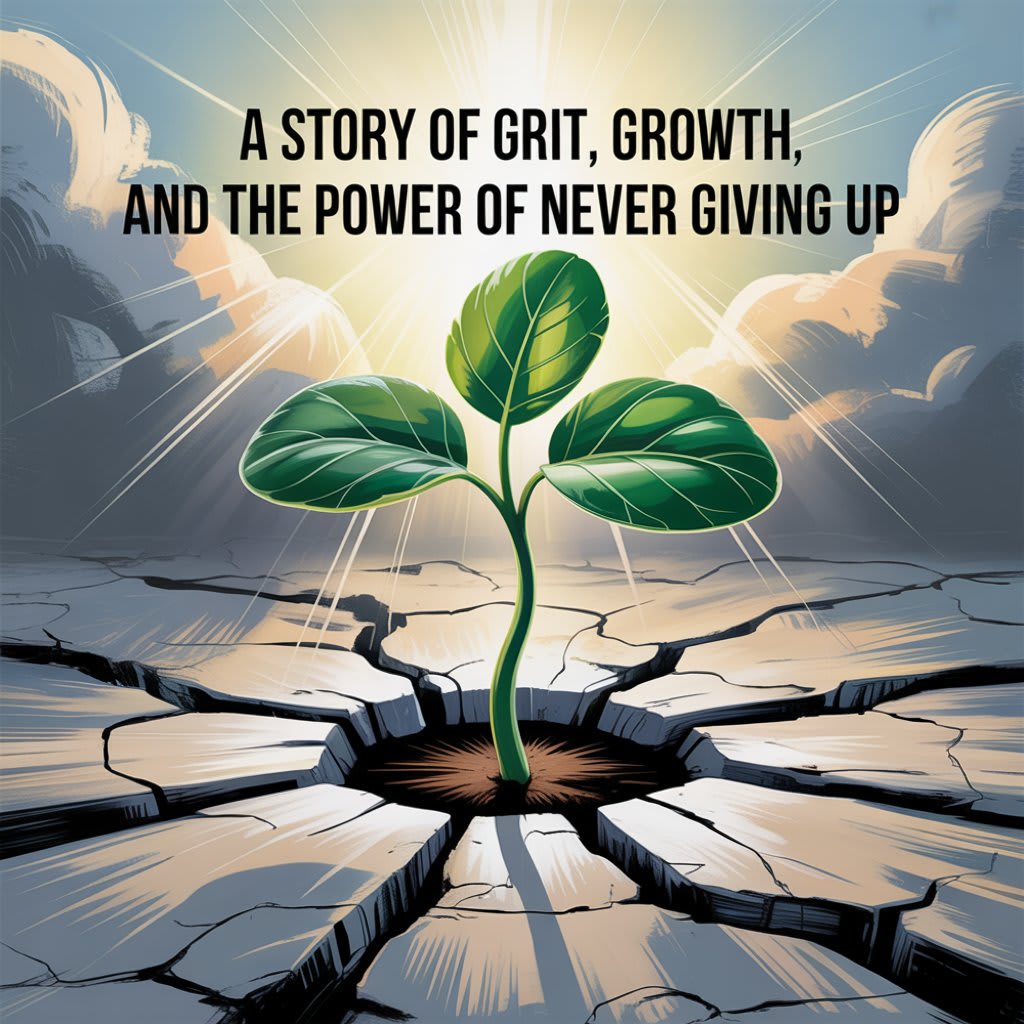
In a quiet town nestled between hills and rice fields, there lived a young man named Ravi Sharma. He was the kind of boy who didn’t stand out in school—neither the smartest, nor the most athletic, nor even the most popular. But Ravi had something quietly burning inside him: a relentless desire to succeed. He just didn’t know what success looked like yet.
Ravi grew up in a modest home. His father ran a small tea stall, and his mother stitched clothes for the neighbors. They never complained about their life, but Ravi saw the struggle behind every smile. He watched his father count coins with tired hands and his mother sewing long into the night, her fingers worn and calloused.
More than anything, Ravi wanted to give them a better life. Not just financially, but something bigger—a life with choice, peace, and pride.
The Early Setbacks
When he turned 18, Ravi applied to several universities. He dreamed of studying computer science, but his scores weren’t competitive. Rejected by every top college, he enrolled in a local institute where the computers were outdated and the professors uninspired. Many of his classmates had already given up on their dreams, content to coast through life.
But Ravi couldn’t accept that.
He didn’t have the best teachers or resources, but he had YouTube, free coding websites, and a secondhand laptop. Every night, while others played games or slept early, Ravi taught himself programming. HTML. CSS. Python. JavaScript. He failed often. There were days he wanted to quit. But he remembered his mother’s tired hands and kept going.
The First Break
One day, while scrolling a programming forum, Ravi found a post from a small startup looking for freelance help. It was unpaid, but he took the job anyway—building a simple website for a local restaurant in Canada. He worked on it obsessively for a week and delivered it before the deadline. The client was so impressed, they paid him $50 out of gratitude.
It wasn’t the money—it was validation. That someone, somewhere in the world, valued his work. It gave Ravi a taste of what success could feel like: earned, not given.
Facing the World
Ravi began applying for more freelance jobs. At first, he faced rejection after rejection. Sometimes he was told his English wasn’t good enough. Other times, his portfolio was too thin. But instead of being discouraged, he used each rejection as a learning tool. He polished his resume, built better demo projects, and improved his communication.
Within a year, Ravi had worked with over 15 clients. He was earning more than both his parents combined. He bought his father a new tea cart with a solar light and helped his mother set up a tailoring website to take custom orders.
But Ravi knew money alone wasn’t success. He wanted to build something of his own.
The Leap of Faith
At 23, Ravi took a bold step. He declined a full-time job offer from a large company and instead launched his own app—a simple expense tracker for rural shopkeepers. Everyone thought he was making a mistake. “Why would anyone use your app?” his friends questioned. “Stick to freelancing. It’s safe.”
But Ravi believed in the idea. He had watched his father and others like him struggle with paper bills, forgotten payments, and lost ledgers. They didn’t need complex solutions—they needed simplicity, in their own language.
So he built “SahajKhata”, an app in Hindi and Marathi with voice input and offline access. He walked from village to village, demonstrating it to shopkeepers, showing them how it could help manage their accounts without any formal training.
Success Takes Shape
The first 100 downloads came slowly, but soon the number doubled, then tripled. Word spread. A local newspaper ran a story on his app. Then a regional business magazine picked it up.
In just 18 months, SahajKhata had over 100,000 active users and caught the attention of an investor group focused on rural tech. They offered seed funding in exchange for equity and helped Ravi scale the app nationally.
By 27, Ravi had a team of 15 developers, a cozy office in Pune, and was featured in Forbes India’s “30 Under 30” list. His journey from a rejected student to a recognized entrepreneur inspired thousands.
But more than the accolades, what gave Ravi the deepest satisfaction was the day he walked into his parents’ kitchen and handed them the keys to a brand-new home. His father, usually stoic, broke down in tears. His mother didn’t say a word—she just hugged him and smiled.
The Philosophy of His Success
When asked during a podcast interview what the secret to his success was, Ravi simply replied:
"I didn’t have a plan. I just had a purpose. That purpose was bigger than comfort, fear, or failure. Every time I failed—and I failed many times—I asked myself, ‘What can I learn from this?’ Success didn’t happen overnight. It happened every night I didn’t give up.”
He went on to explain the five principles that guided him:
Start small, but start now.
Waiting for perfect conditions only delays growth.
Learn every day.
Your degree doesn’t define your knowledge—your curiosity does.
Turn pain into purpose.
Let your struggles fuel your motivation.
Solve real problems.
Build things that matter to people around you.
Stay humble, stay hungry.
Success is not a destination, but a lifelong process.
Legacy in Motion
Years later, Ravi would go on to mentor young entrepreneurs across India, especially from underprivileged backgrounds. He started a foundation that donated laptops to rural schools and ran coding bootcamps for teenagers.
He never forgot where he came from. And because of that, he never stopped helping others rise.
Ravi’s story became more than one man’s journey—it became a reminder that success is not reserved for the lucky or the privileged, but for those who are willing to learn, fail, adapt, and keep moving forward with purpose.
About the Creator
AFTAB KHAN
SUBSCRIBE ME AND READ STORY
Storyteller at heart, writing to inspire, inform, and spark conversation. Exploring ideas one word at a time.
Writing truths, weaving dreams — one story at a time.
From imagination to reality
Keep reading
More stories from AFTAB KHAN and writers in Motivation and other communities.
Nikola Tesla: The Man Who Lit the World
In the shadow of the 19th century’s most powerful industrial titans, there emerged a solitary genius—a man whose visions for the future often teetered between the limits of science and the depths of imagination. His name was Nikola Tesla, and though many know him today for the unit of magnetic flux density, few understand the magnitude of his contribution to the modern world.
By AFTAB KHAN6 months ago in Motivation
Influential Women Magazine: Where Power, Purpose, and Legacy Align
In a world where visibility is often mistaken for influence, Influential Women Magazine stands apart. It is more than a publication - it is a purpose-driven platform that celebrates women whose leadership is rooted in substance, values, and long-term impact. Rather than focusing on fleeting trends or surface-level recognition, the magazine amplifies stories that matter stories of women shaping industries, communities, and future generations through intentional leadership.
By influentialwomenmagazineabout 21 hours ago in Motivation


Comments
There are no comments for this story
Be the first to respond and start the conversation.