
How Does Vacuuming Affect Indoor Air Quality and Carpet Health?
How Regular Vacuuming and Professional Carpet Cleaning Improve Air Quality and Extend Carpet Life

Maintaining good indoor air quality is essential for a healthy living environment, and carpets play a significant role in this. Carpets can trap dust, allergens, and pollutants, which may circulate back into the air if not properly managed. Regular vacuuming is a critical maintenance step that influences both the air you breathe and the condition of your carpets. Combined with professional carpet cleaning, vacuuming helps remove deeply embedded dirt, pet dander, and bacteria, preventing the buildup of harmful contaminants. Proper carpet care ensures fresher, cleaner carpets while enhancing overall indoor air quality, making your home healthier and more comfortable.
Understanding Indoor Air Quality and Its Sources
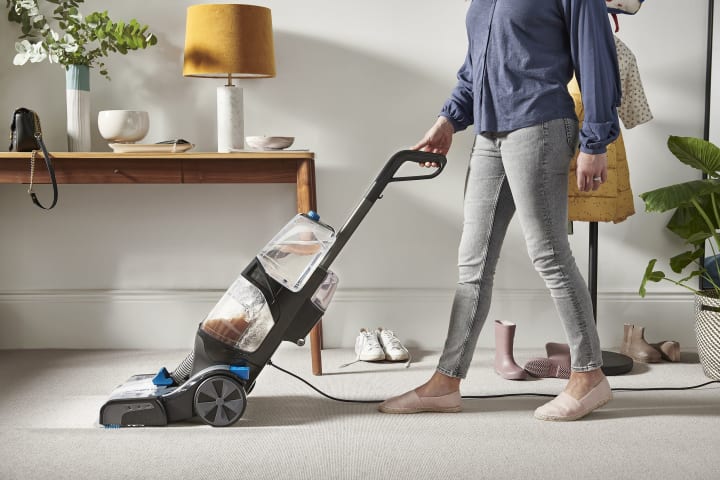
Indoor air quality is affected by various pollutants such as dust, allergens, pet dander, pollen, and mold spores. Carpets act as reservoirs, trapping these particles within their fibers. Without proper cleaning, these trapped pollutants can be released back into the air during daily activities, worsening air quality and potentially triggering allergies or respiratory issues. Recognizing how carpets influence indoor air helps emphasize the importance of maintaining them through regular vacuuming.
How Vacuuming Removes Pollutants from Carpets
Vacuuming is an effective way to reduce the accumulation of dust, allergens, and dirt on carpet surfaces. By removing loose particles before they embed deeply into carpet fibers, vacuuming limits the quantity of pollutants that can later be released into the air. The frequency and thoroughness of vacuuming are crucial; regular, methodical vacuuming ensures that a significant amount of these contaminants is extracted, thereby improving indoor air quality and carpet cleanliness.
The Impact of Vacuum Cleaner Type and Quality
Not all vacuums are created equal when it comes to improving air quality. Vacuums equipped with HEPA (High-Efficiency Particulate Air) filters trap finer particles, including many allergens and dust mites, preventing them from being blown back into the room. Regular vacuums without effective filtration may reintroduce particles into the air, reducing the benefits of vacuuming. Choosing a vacuum with strong suction power and advanced filtration enhances the removal of airborne contaminants.
Vacuuming Techniques That Improve Air Quality
Proper vacuuming technique maximizes pollutant removal while minimizing the release of dust back into the air. Moving the vacuum slowly in overlapping strokes and using attachments for edges and upholstery helps clean more thoroughly. It’s also important to avoid vacuuming too quickly or aggressively, which can stir up dust clouds. Regular maintenance of the vacuum cleaner itself cleaning filters and emptying dust bags ensures it operates efficiently and maintains good air filtration.
Vacuuming’s Role in Carpet Fiber Health and Longevity
Regular vacuuming also preserves carpet health by preventing fiber matting and wear. Dirt particles act like abrasives when trapped in fibers, gradually damaging the carpet and causing it to lose its texture. By removing these particles consistently, vacuuming reduces wear and extends carpet life. Maintaining the carpet’s appearance through vacuuming also delays the need for costly professional cleanings or premature replacement.
Limitations of Vacuuming on Indoor Air Quality and Carpet Health
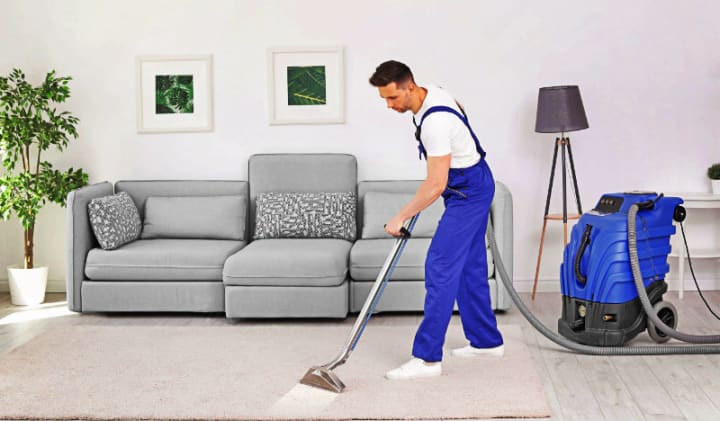
While vacuuming significantly improves carpet cleanliness and air quality, it has limitations. Vacuuming cannot remove deeply embedded dirt, grease, pet stains, or bacterial and fungal growth within the carpet padding. These issues require professional carpet cleaning methods such as hot water extraction or steam cleaning. Therefore, vacuuming should be seen as a complementary practice to periodic professional cleaning rather than a complete solution.
Complementary Practices to Enhance Air Quality and Carpet Care
To further improve indoor air quality and protect carpet health, homeowners should combine vacuuming with other maintenance practices. Using air purifiers and dehumidifiers helps reduce airborne allergens and moisture, limiting mold growth. Promptly treating spills and stains prevents damage, while placing mats and rugs at entrances reduces dirt tracked indoors. Together, these habits create a holistic approach to carpet care and air quality management.
Health Benefits of Maintaining Clean Carpets and Air
Maintaining clean carpets through vacuuming and professional care reduces allergens and irritants in the home, benefiting individuals with allergies, asthma, or other respiratory conditions. Improved indoor air quality enhances overall comfort and wellbeing by minimizing triggers that can cause coughing, sneezing, or skin irritation. A clean home environment supports better sleep, concentration, and general health for all occupants.
Conclusion
Vacuuming plays a vital role in maintaining both indoor air quality and carpet health. By regularly removing surface dirt, allergens, and dust, vacuuming prevents pollutants from circulating in your home and protects carpet fibers from damage. However, it is important to recognize vacuuming’s limitations and complement it with professional cleaning and additional maintenance practices. A combined approach ensures a healthier living space, longer-lasting carpets, and improved comfort for your family.
FAQs
How often should I vacuum to improve indoor air quality?
For most households, vacuuming at least two to three times per week is recommended, with more frequent vacuuming in homes with pets or allergy sufferers.
Are HEPA-filter vacuums better for allergy sufferers?
Yes, HEPA filters capture finer particles and allergens, reducing airborne irritants more effectively than regular filters.
Can vacuuming alone eliminate all allergens from carpets?
Vacuuming significantly reduces allergens but cannot remove deeply embedded particles or sanitize carpets, which requires professional cleaning.
How does vacuuming affect carpet lifespan?
Regular vacuuming removes abrasive dirt and prevents fiber matting, helping to extend the carpet’s durability and appearance.
When should I schedule professional carpet cleaning to complement vacuuming?
Professional cleaning is generally recommended every six to twelve months, depending on household factors like pets, children, and traffic.
About the Creator
Keep reading
More stories from david and writers in Motivation and other communities.
What Are the Advantages of Renting a Residential Dumpster?
Residential dumpster rentals have become an essential part of managing waste efficiently during home improvement projects. Whether you're renovating a kitchen, cleaning out your garage, or undertaking landscaping work, proper waste disposal is critical to maintaining a safe and organized property. Renting a residential dumpster provides homeowners with a convenient and effective solution to handle debris and unwanted materials. This article explores the many advantages of residential dumpster rentals and why they are a smart choice for any home project.
By david8 months ago in Motivation
I Never Gave Up Honesty, Success Came to Me
There was a time when honesty felt like a burden I carried alone. While others seemed to climb faster by exaggerating their skills, hiding their mistakes, or bending the truth, I stayed behind—quiet, overlooked, and often doubting myself. I didn’t lack ambition or effort. What I lacked, I thought, was the ability to play the game the way everyone else did.
By Fazal Hadiabout 13 hours ago in Motivation


Comments
There are no comments for this story
Be the first to respond and start the conversation.