
How Barack Obama Became the First Black President of the United States
A Historic Journey of Hope, Leadership, and Unmatched Determination

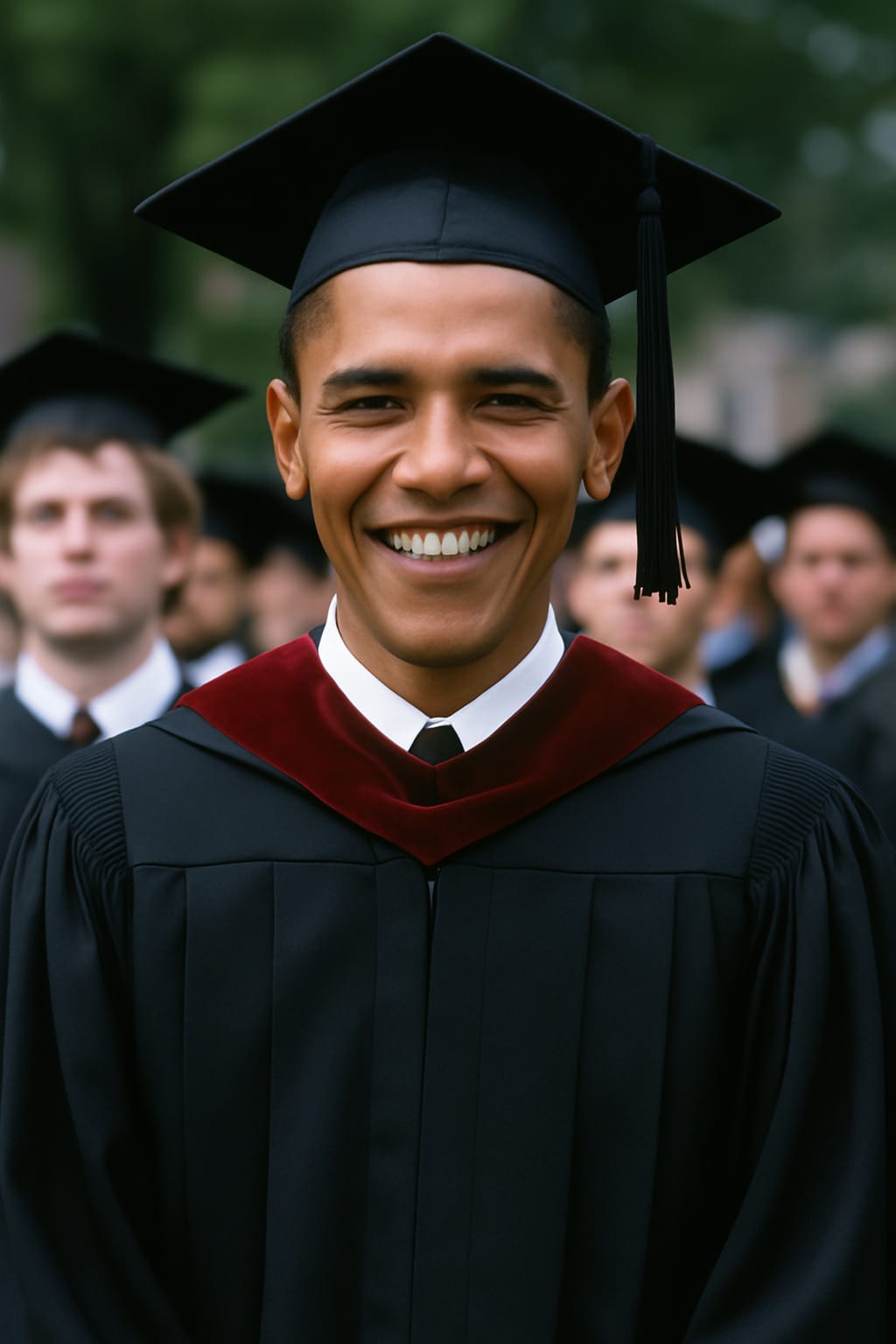
In the grand narrative of American politics, one name that stands out as a symbol of change and inspiration is Barack Obama. His journey to the presidency broke racial barriers and redefined leadership in the modern age. Becoming the first Black president of the United States was not just a personal victory—it was a defining moment in American history.
From Humble Beginnings: The Early Life of Barack Obama
Barack Hussein Obama II was born on August 4, 1961, in Honolulu, Hawaii. His upbringing was unique—a blend of Kenyan and American roots, raised by a single mother and later his grandparents. His biracial identity would shape his understanding of race and identity in America.
Despite facing challenges, Obama excelled in academics. He graduated from Columbia University and later earned his law degree from Harvard, where he became the first Black president of the Harvard Law Review. This achievement not only reflected his brilliance but marked him as a future leader.
Community Roots: Building a Reputation in Chicago
Before stepping onto the national stage, Obama grounded himself in community work. He moved to Chicago and worked as a community organizer in the South Side. Here, he built trust with local residents and learned the struggles of ordinary Americans—joblessness, broken systems, and racial inequality.
His work in Chicago wasn’t just career-building; it was a deep connection to real-world issues. These experiences gave him the empathy and resilience that would later define his political vision.
A Rising Star: Barack Obama’s Political Launch
Obama's official entry into politics began in 1996 when he was elected to the Illinois State Senate. He was known for bridging party divides and addressing key issues like healthcare, ethics, and early education reform. He wasn’t afraid to challenge the status quo, even when it cost him politically.
In 2004, Obama gained national attention with a powerful speech at the Democratic National Convention. His message of unity, hope, and the “audacity of hope” resonated deeply with Americans. That speech catapulted him into the political spotlight, preparing the stage for a presidential run.
Campaign of Change: The 2008 Presidential Election
Obama announced his candidacy for president in February 2007. His campaign was built on powerful slogans like “Change We Can Believe In” and “Yes We Can.” He energized younger voters, appealed to minorities, and used social media like no candidate had done before.
Facing experienced rivals like Hillary Clinton in the primaries and John McCain in the general election, Obama never backed down. He maintained a calm, intelligent, and hopeful image, which inspired millions. His grassroots campaign strategy, small-dollar donations, and inclusive rhetoric set a new standard in modern politics.
Breaking Barriers: Becoming the First Black President
On November 4, 2008, Barack Obama made history. With over 69 million votes, he defeated John McCain and became the 44th president of the United States—and the first Black man to hold that office. People around the world watched in awe as he delivered his victory speech in Chicago’s Grant Park.
The election was more than a political win. It was a moment of pride for African Americans and minorities everywhere. It showed that despite centuries of racism and oppression, the United States could evolve and elect a leader based on merit, vision, and unity.
Challenges Faced During the Presidency
Obama stepped into the White House during one of the most difficult times in American history. The country was deep in an economic recession, with banks failing and unemployment soaring. His first major achievement was the American Recovery and Reinvestment Act, aimed at stabilizing the economy.
Throughout his presidency, Obama dealt with resistance from a deeply divided Congress. Still, he passed the historic Affordable Care Act (Obamacare), which provided healthcare access to millions of Americans. His calm leadership during the BP oil spill, the killing of Osama bin Laden, and global diplomacy earned him both praise and criticism.
Symbol of Hope: What Obama Represented to the World
Obama wasn’t just a president; he became a symbol of hope and change around the world. He won the Nobel Peace Prize in 2009 and was often seen as a calm, intelligent, and composed leader on the global stage. For many young Black individuals and other minorities, he showed that no dream was too big.
His presidency sparked debates on race, class, and the American dream. It didn’t erase racism, but it reminded the world of America’s potential to rise above it. Obama always remained composed in the face of racial slurs and political attacks—choosing to lead with dignity and strength.
The Role of Michelle Obama: A First Lady Like No Other
Behind every strong leader is a strong partner, and Michelle Obama played a crucial role in her husband’s journey. As the first Black First Lady, she redefined the role with grace, advocacy, and intelligence. She championed causes like healthy living, education for girls, and support for military families.
Michelle’s influence helped humanize the Obama family, showing them as a relatable, loving, and hardworking household. Her famous line, “When they go low, we go high,” became a motto for resilience during political adversity.
Post-Presidency: Legacy and Continued Influence
Even after leaving office in 2017, Barack Obama’s legacy continues to influence politics and culture. He and Michelle established the Obama Foundation to inspire young leaders globally. His memoir, A Promised Land, became a bestseller, sharing deeper insights into his presidency.
Unlike many former presidents, Obama has remained actively engaged in promoting democracy, civic engagement, and climate change awareness. He speaks passionately about protecting voting rights, social justice, and leadership development.
Criticism and Controversy: A Balanced Legacy
While widely admired, Obama's presidency was not without criticism. Conservatives argued that his policies expanded government too far, while progressives felt he was sometimes too cautious. Issues like drone strikes, immigration deportations, and the handling of Syria remain points of debate.
Yet, Obama consistently carried himself with integrity. Even his harshest critics often acknowledged his intelligence and ability to lead under pressure. His balanced approach to leadership made him a respected figure across the political spectrum.
Barack Obama's Impact on Future Generations
Obama’s presidency opened doors for many aspiring leaders, especially people of color. It changed the way politics was viewed by young people, proving that grassroots efforts, authenticity, and vision could win elections.
He paved the way for more diverse candidates to run for office, from mayors to senators. His influence can be seen in the increasing representation of women, minorities, and younger voices in American politics.
The Power of “Yes We Can”
Barack Obama’s story is a testimony to the power of hope, education, and perseverance. His iconic phrase, “Yes We Can,” wasn’t just a campaign slogan—it became a cultural mantra. It inspired a generation to believe in progress, unity, and the power of their own voices.
In a world that often seemed divided, Obama reminded people of the values that bind them together. His speeches emphasized empathy, understanding, and the pursuit of a better future for all.
Conclusion: A Historic Presidency That Changed the World
The journey of how Barack Obama became the first Black president of the United States is one of courage, strategy, and unshakable belief in the American dream. His presidency didn’t solve every problem, but it brought hope, dignity, and a powerful reminder that anything is possible.
Obama's life continues to inspire millions across the globe to fight for justice, unity, and opportunity. His rise to power wasn’t just about politics—it was about redefining what leadership looks like in the 21st century
About the Creator
Lana Rosee
🎤 Passionate storyteller & voice of raw emotion. From thoughts to tales, I bring words to life. 💫
Love my content? Hit Subscribe & support the journey! ❤️✨
Keep reading
More stories from Lana Rosee and writers in Motivation and other communities.
Brain Trap and a Way Toward Achieving Goals
The human brain is a magnificent machine—capable of creativity, logic, dreams, and even miracles. But too often, it becomes the very trap that holds us back. The biggest obstacle between you and your goals isn't the world, competition, or lack of opportunity—it’s your own mind. This concept is what we call the "brain trap," and it’s more common than we think. Understanding and breaking out of this trap is the first step to building momentum toward your aspirations.
By Lana Rosee7 months ago in Motivation
You are not a failure
“ You look sad, David, what’s going on?” the old man noticed, as David pulled out a chair when he entered the room. “ When I look at my life, I’m not happy. Nothing is working. I’m forty-three. I have no house, no money, no kids. I make minimum wage at my job to survive. Not to mention the credit card debts and some health issues. I think that I’m a failure,” David said, almost in tears.
By Michel Tetchi 6 days ago in Motivation


Comments
There are no comments for this story
Be the first to respond and start the conversation.