
Brain Trap and a Way Toward Achieving Goals
Breaking Mental Barriers and Unlocking Your True Potential for Long-Term Success

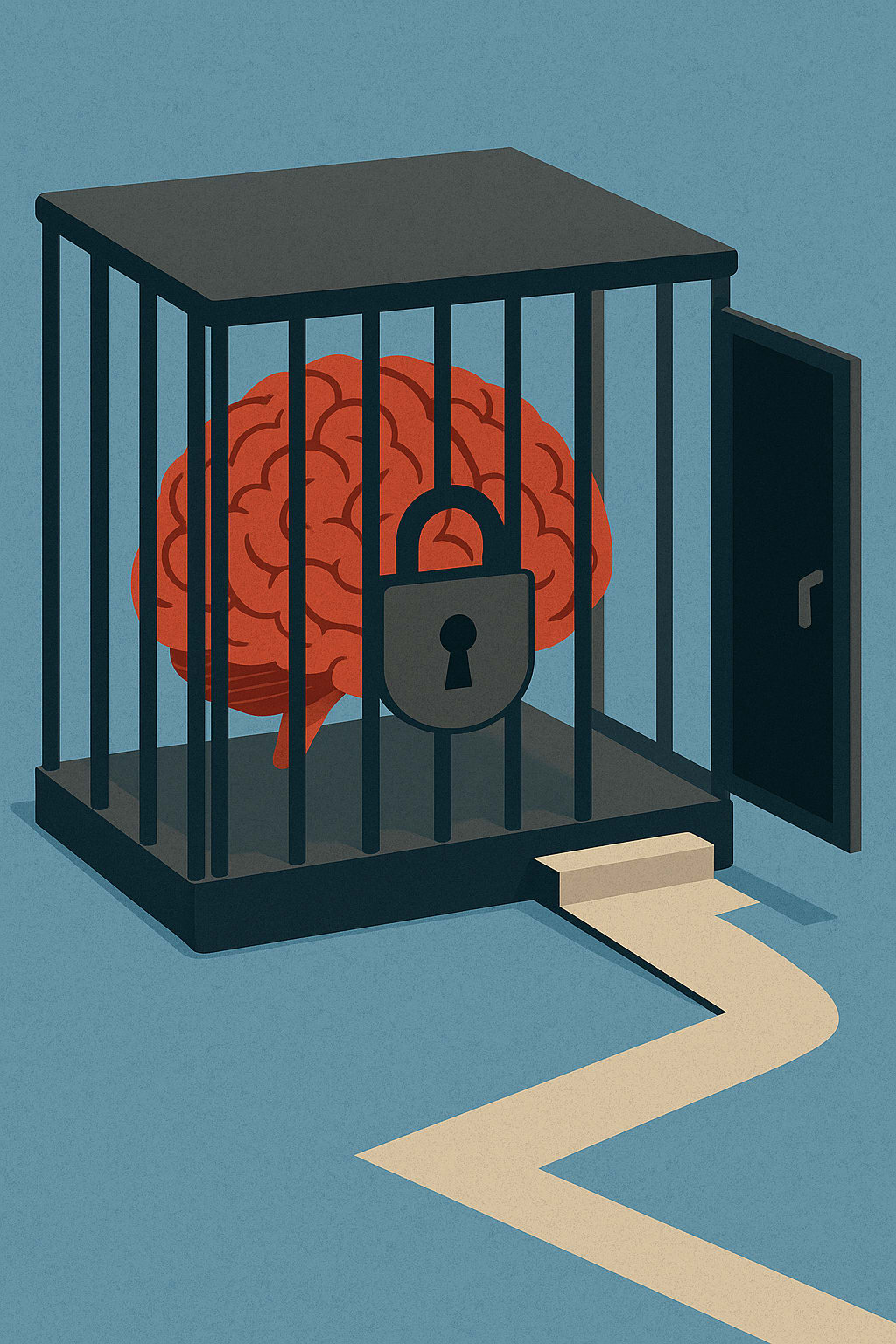
The human brain is a magnificent machine—capable of creativity, logic, dreams, and even miracles. But too often, it becomes the very trap that holds us back. The biggest obstacle between you and your goals isn't the world, competition, or lack of opportunity—it’s your own mind. This concept is what we call the "brain trap," and it’s more common than we think. Understanding and breaking out of this trap is the first step to building momentum toward your aspirations.
The brain trap includes procrastination, fear of failure, perfectionism, overthinking, and imposter syndrome. These mental blocks silently sabotage our ambitions. The worst part? We often don’t realize we’re caught in the trap. We blame circumstances, time, or other people, but rarely look within. Until we do, our goals remain distant dreams.
You start your morning with motivation. You’ve written your to-do list. You’re even excited about change. But a few hours pass, and you’re scrolling social media, avoiding the important tasks. Why? Because your brain is wired to seek comfort, not challenge. When you start something difficult or uncertain, your mind sends warning signals to protect you from discomfort. This protective mechanism can quickly turn into self-sabotage.
Another part of the brain trap is the illusion of perfection. Many people don’t even begin because they believe everything must be flawless from the start. Waiting for the perfect moment, the perfect idea, or the perfect plan delays progress indefinitely. Truth is, perfection is an illusion. It’s better to start imperfectly than never to start at all.
Fear of failure is perhaps the deepest trap. It creates mental roadblocks where none exist. We imagine rejection, embarrassment, or disappointment—and so we avoid trying. This fear paralyzes potential. But failure isn’t the enemy; it’s the path. Every successful person has failed more times than most people have even tried. The key is learning from it.
Another silent trap is overthinking. It disguises itself as planning, but in reality, it's fear with makeup. You can spend hours thinking about your next move without ever making it. Overthinking kills action. The longer you delay, the more doubt creeps in. Success demands movement, not just thought.
Then there's imposter syndrome. It tells you that you’re not good enough, smart enough, or worthy enough, even when your results say otherwise. You feel like a fraud in your own story. This mindset prevents people from accepting opportunities and taking the next step in their journey. Recognize this voice—and challenge it.
So how do we escape the brain trap and begin achieving our goals? The first step is awareness. Recognize the patterns that are holding you back. Ask yourself: What fear is driving this behavior? What excuse do I keep making? Journaling your thoughts can help clarify these hidden blocks.
Next, develop a strategy of small wins. The brain loves rewards. When you complete a task—no matter how small—dopamine is released, creating a feeling of achievement. This builds momentum. Start with easy tasks and gradually move to harder ones. Each small win fuels your confidence and reprograms your brain to seek progress over perfection.
Create systems instead of goals. Goals are the outcome. Systems are the process. For example, if your goal is to write a book, your system could be writing 500 words every morning. Systems anchor habits. Over time, your consistent actions compound into big results. The brain responds better to routines than to pressure.
Another powerful tool is visualization. Athletes use it, entrepreneurs use it, and so can you. Spend 5 minutes each day visualizing your success. See yourself achieving your goal. Feel the emotions of accomplishment. This rewires the brain to believe in possibility, breaking the loop of self-doubt.
Equally important is managing your environment. If you’re surrounded by distractions or negative influences, your brain will stay in a defensive mode. Clear your space. Surround yourself with people who inspire and support you. A supportive environment triggers a supportive mindset.
Replace negative self-talk with positive affirmations. The words you speak to yourself shape your self-image. Instead of saying, “I’m not good enough,” say, “I’m learning and growing every day.” Instead of saying, “It’s too late,” say, “Now is the perfect time to start.” These mental shifts create space for progress.
Time management also plays a crucial role in escaping the brain trap. Use proven techniques like the Pomodoro method, time-blocking, or priority matrices to train your brain into a rhythm of focus and rest. This not only improves productivity but also gives your brain the structure it craves.
Self-care is not a luxury; it’s a necessity. Sleep, nutrition, and movement all influence brain performance. A tired or poorly nourished brain will always choose comfort over challenge. Prioritize your well-being if you want to prioritize your dreams.
Make peace with imperfection. Embrace being a beginner. Progress requires humility. Don’t compare your chapter 1 to someone else’s chapter 20. Your path is unique. You are learning, evolving, and adapting—and that alone is success.
Sometimes, to break free from the brain trap, you must take radical action. This means doing something bold—like saying yes to a public speaking opportunity, submitting your writing to a magazine, or applying for a job you think is out of your league. These moments push you out of comfort and into growth.
Consistency is the final and most important key. Motivation is temporary; habits are permanent. You won't always feel inspired, but you can always choose to act. Show up daily, even when you don't feel like it. Discipline rewires your brain for long-term success.
You might fall. You might fail. But every time you rise again, you grow stronger. Escaping the brain trap is not a one-time event—it’s a continuous journey of mental self-awareness and bold action. It’s about choosing growth over fear, clarity over confusion, and action over overthinking.
In the end, your dreams don’t require a perfect you. They just require a consistent you. A version of you willing to take the next step, even when the voice of doubt is screaming loud. That voice will quiet down as you prove it wrong, again and again.
The way toward achieving goals is not about discovering a hidden talent. It’s about rewiring your thinking, breaking your self-imposed barriers, and taking one small step at a time. You don’t need to wait until you're ready. Start before you're ready. The path will reveal itself as you walk.
Believe this: your brain is not your enemy. It's your most powerful ally—if trained correctly. Recognize the traps, take the leap, and start building the future you've imagined. The best version of your life is just on the other side of fear.
About the Creator
Lana Rosee
🎤 Passionate storyteller & voice of raw emotion. From thoughts to tales, I bring words to life. 💫
Love my content? Hit Subscribe & support the journey! ❤️✨
Keep reading
More stories from Lana Rosee and writers in Motivation and other communities.
The Lustrous Career of Virat Kohli and the Challenges He Faces
In the world of cricket, few names resonate as powerfully as Virat Kohli. With his fierce determination, unparalleled skill, and an aggressive yet passionate approach to the game, Kohli has become a symbol of modern-day cricket excellence. His journey from a spirited boy in Delhi to the captain of the Indian national team and a global cricket icon is nothing short of inspirational. But behind this glittering success lies a story filled with trials, setbacks, and immense personal sacrifice.
By Lana Rosee8 months ago in Motivation




Comments
There are no comments for this story
Be the first to respond and start the conversation.