
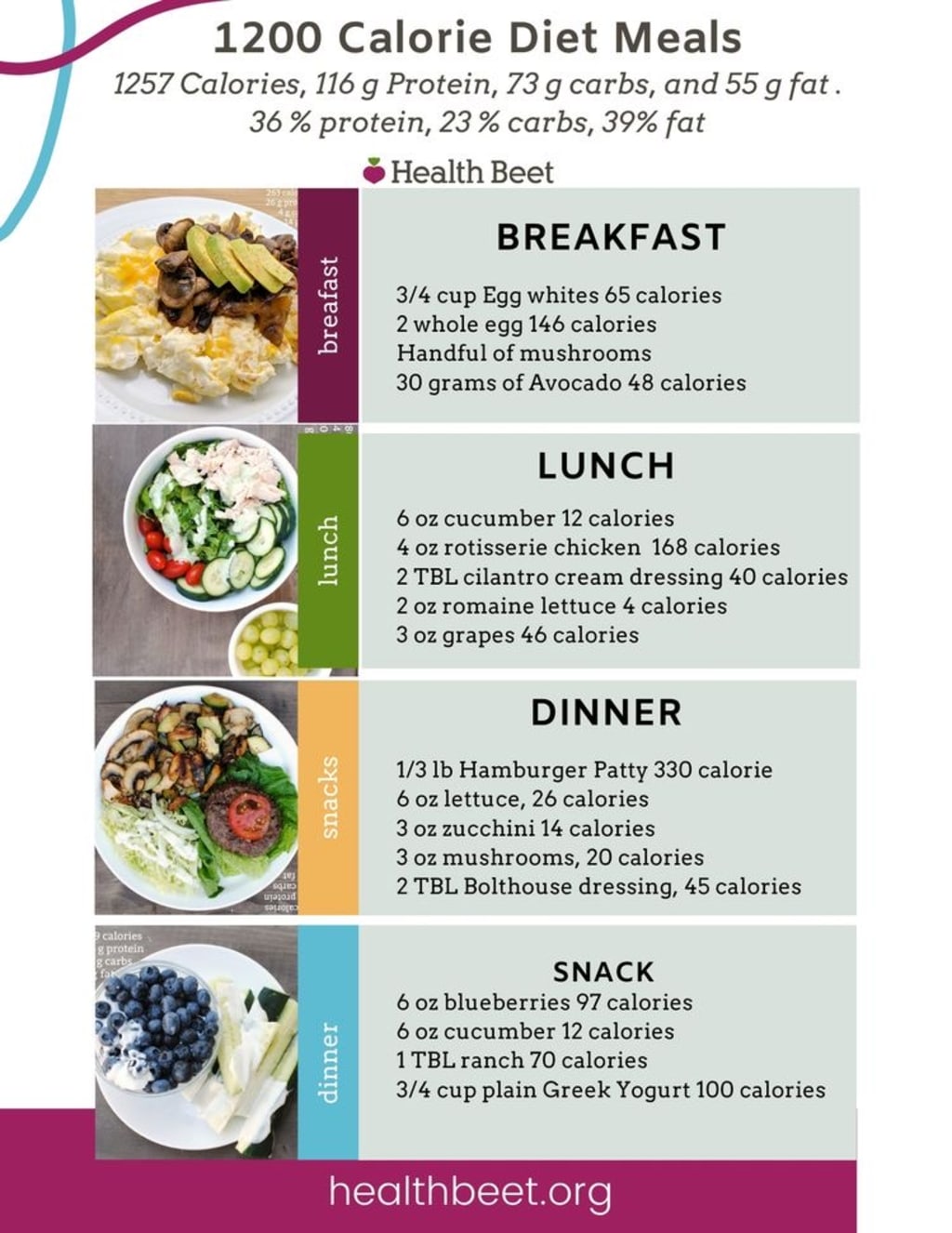
Maintaining a healthy diet is crucial for overall well-being and plays a significant role in promoting good health and preventing chronic diseases. A healthy diet is one that provides essential nutrients, vitamins, and minerals while limiting excessive intake of unhealthy fats, sugars, and processed foods. By making informed food choices, individuals can nourish their bodies, maintain a healthy weight, and reduce the risk of various health conditions.
A balanced diet should include a variety of whole foods from different food groups. Fruits and vegetables are rich in vitamins, minerals, and dietary fiber, and should form a significant portion of your diet. Aim to consume a colorful array of fruits and vegetables to ensure a diverse range of nutrients.
Whole grains, such as brown rice, quinoa, and whole wheat bread, are excellent sources of fiber and essential nutrients. They provide sustained energy and can help regulate blood sugar levels. Incorporating whole grains into your meals instead of refined grains is a healthier choice.
Protein is an essential macronutrient that plays a crucial role in building and repairing tissues. It can be obtained from both animal and plant sources. Lean meats, poultry, fish, eggs, legumes, nuts, and seeds are excellent sources of protein. Aim for a balanced mix of these protein sources in your diet.
Healthy fats, such as those found in avocados, nuts, seeds, and olive oil, are important for maintaining optimal health. They provide essential fatty acids that support brain function, protect organs, and promote healthy skin. However, it is important to consume fats in moderation, as they are high in calories.
Limiting the intake of processed and sugary foods is essential for a healthy diet. These foods are often high in added sugars, unhealthy fats, and artificial additives, which can contribute to weight gain and increase the risk of chronic diseases. Opt for natural sweeteners like honey or fruits to satisfy your sweet tooth, and choose whole, unprocessed foods whenever possible.
Hydration is also a key aspect of a healthy diet. Water is essential for maintaining proper bodily functions and supports digestion, circulation, and temperature regulation. Aim to drink an adequate amount of water throughout the day and limit the consumption of sugary beverages.
Practical advice on maintaining a healthy diet
Fruit and vegetables
Eating at least 400 g, or five portions, of fruit and vegetables per day reduces the risk of NCDs (2) and helps to ensure an adequate daily intake of dietary fibre.
Fruit and vegetable intake can be improved by:
always including vegetables in meals;
eating fresh fruit and raw vegetables as snacks;
eating fresh fruit and vegetables that are in season; and
eating a variety of fruit and vegetables.
Fats
Reducing the amount of total fat intake to less than 30% of total energy intake helps to prevent unhealthy weight gain in the adult population (1, 2, 3). Also, the risk of developing NCDs is lowered by:
reducing saturated fats to less than 10% of total energy intake;
reducing trans-fats to less than 1% of total energy intake; and
replacing both saturated fats and trans-fats with unsaturated fats (2, 3) – in particular, with polyunsaturated fats.
Fat intake, especially saturated fat and industrially-produced trans-fat intake, can be reduced by:
steaming or boiling instead of frying when cooking;
replacing butter, lard and ghee with oils rich in polyunsaturated fats, such as soybean, canola (rapeseed), corn, safflower and sunflower oils;
eating reduced-fat dairy foods and lean meats, or trimming visible fat from meat; and
limiting the consumption of baked and fried foods, and pre-packaged snacks and foods (e.g. doughnuts, cakes, pies, cookies, biscuits and wafers) that contain industrially-produced trans-fats.
Salt, sodium and potassium
Most people consume too much sodium through salt (corresponding to consuming an average of 9–12 g of salt per day) and not enough potassium (less than 3.5 g). High sodium intake and insufficient potassium intake contribute to high blood pressure, which in turn increases the risk of heart disease and stroke (8, 11).
Reducing salt intake to the recommended level of less than 5 g per day could prevent 1.7 million deaths each year (12).
People are often unaware of the amount of salt they consume. In many countries, most salt comes from processed foods (e.g. ready meals; processed meats such as bacon, ham and salami; cheese; and salty snacks) or from foods consumed frequently in large amounts (e.g. bread). Salt is also added to foods during cooking (e.g. bouillon, stock cubes, soy sauce and fish sauce) or at the point of consumption (e.g. table salt).
Salt intake can be reduced by:
limiting the amount of salt and high-sodium condiments (e.g. soy sauce, fish sauce and bouillon) when cooking and preparing foods;
not having salt or high-sodium sauces on the table;
limiting the consumption of salty snacks; and
choosing products with lower sodium content.
Some food manufacturers are reformulating recipes to reduce the sodium content of their products, and people should be encouraged to check nutrition labels to see how much sodium is in a product before purchasing or consuming it.
Potassium can mitigate the negative effects of elevated sodium consumption on blood pressure. Intake of potassium can be increased by consuming fresh fruit and vegetables.
Sugars
In both adults and children, the intake of free sugars should be reduced to less than 10% of total energy intake (2, 7). A reduction to less than 5% of total energy intake would provide additional health benefits (7).
Consuming free sugars increases the risk of dental caries (tooth decay). Excess calories from foods and drinks high in free sugars also contribute to unhealthy weight gain, which can lead to overweight and obesity. Recent evidence also shows that free sugars influence blood pressure and serum lipids, and suggests that a reduction in free sugars intake reduces risk factors for cardiovascular diseases (13).
Sugars intake can be reduced by:
limiting the consumption of foods and drinks containing high amounts of sugars, such as sugary snacks, candies and sugar-sweetened beverages (i.e. all types of beverages containing free sugars – these include carbonated or non‐carbonated soft drinks, fruit or vegetable juices and drinks, liquid and powder concentrates, flavoured water, energy and sports drinks, ready‐to‐drink tea, ready‐to‐drink coffee and flavoured milk drinks); and
eating fresh fruit and raw vegetables as snacks instead of sugary snacks.
In conclusion, adopting a healthy diet involves consuming a variety of whole foods, including fruits, vegetables, whole grains, lean proteins, and healthy fats, while minimizing the intake of processed and sugary foods. By making mindful food choices and establishing balanced eating habits, you can provide your body with the nutrients it needs to thrive and maintain optimal health. Remember, small changes in your diet can have a big impact on your overall well-being.
About the Creator
Keep reading
More stories from Fz Ahamed and writers in Motivation and other communities.
Fair skin
It's important to note that changing the color of your skin permanently or significantly in just one week is not a realistic or healthy goal. The color of your skin is determined by genetics and melanin levels, and attempting to alter it dramatically in such a short period of time can have negative consequences.
By Fz Ahamed3 years ago in Motivation
I Worked Hard My Whole Life but Never Felt Financially Safe
I was raised to believe that hard work was the ultimate guarantee. Work hard, stay honest, don’t complain, and everything would eventually fall into place. Financial safety, I was told, was the reward for effort. So I believed it. I built my entire life around it.
By kamran khan5 days ago in Motivation


Comments