
Growing Up in a Broken Home
Growing Up in a Broken Home

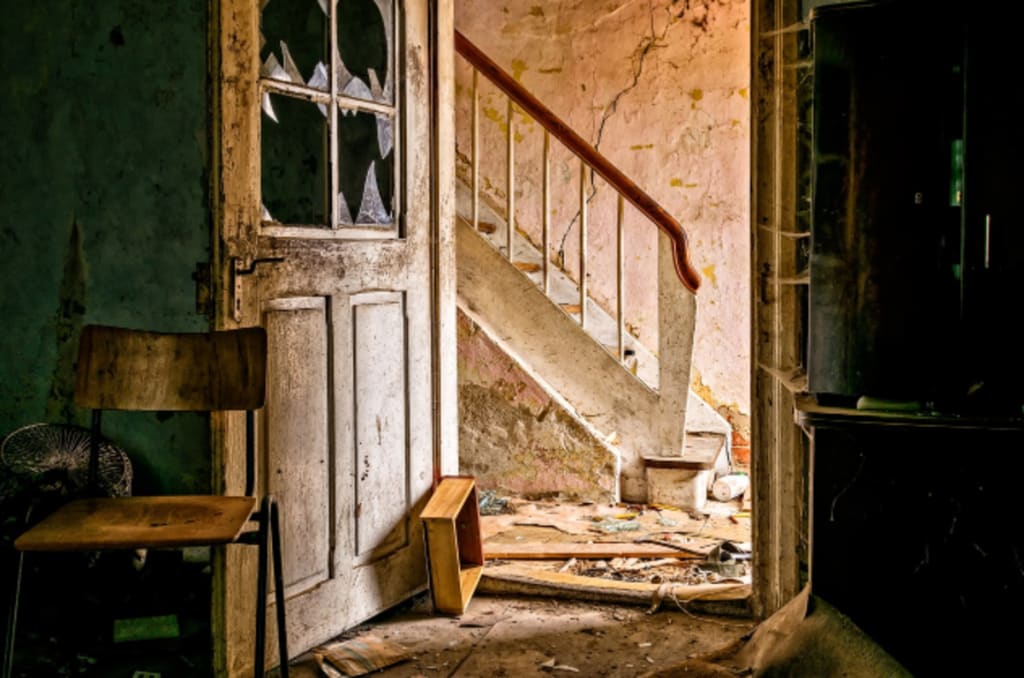
Growing up in a broken home is a story that many of us carry in the quiet spaces of our hearts. It's not always something we talk about openly, but it shapes us in ways we sometimes don't even realize until much later. For some, it's a source of pain; for others, a catalyst for growth. No matter the outcome, living in a fractured family leaves lasting marks—both visible and invisible.
When we talk about a broken home, we're not just speaking of divorce or separation. A broken home can take many forms. It could be a home with absent parents, constant fighting, or one where emotional warmth is missing. Regardless of the specifics, the feeling is often the same: something vital is missing. The sense of security, stability, and love that should be the foundation of a home is cracked, and those cracks grow wider over time.
The Early Days: Innocence Lost
As a child in a broken home, you start by not understanding much. The world is small—your family is your world. You don’t know how other families are; you just know what’s around you. The shouting, the long silences, the coldness in the air after a fight—it becomes part of your daily life. At first, you think this is normal. You assume all families have the same tension, the same brokenness.
But as you grow older, you begin to notice differences. You visit friends’ homes and see how their parents speak to each other with kindness or how they laugh together. You realize not everyone has to walk on eggshells at home. It’s then that the realization sinks in: something is wrong. Your home isn’t like theirs.
The Silence That Speaks Volumes
In many broken homes, silence becomes a language of its own. It’s not just the silence after a fight—it’s the silence of things left unsaid. Parents might avoid conversations that matter because they’re too painful. The result is a house full of words never spoken, emotions never expressed. And children, sensitive to these unspoken tensions, often learn to bury their own feelings.
This silence can be more damaging than any loud argument. When you don’t talk about the pain, the confusion, or the fears, they fester. You carry them like invisible weights, and it becomes harder to share them with others as you grow older. You become skilled at hiding how you feel, even from yourself.
The Impact on Self-Worth
For many children growing up in broken homes, self-worth becomes a difficult issue. When your family is falling apart, it’s easy to feel like it’s somehow your fault. Children often internalize the chaos around them, believing they’re to blame for their parents’ problems. “If only I were better behaved, smarter, quieter—maybe things would be different.”
This self-blame can lead to low self-esteem that lasts into adulthood. You grow up doubting yourself, constantly seeking approval, and fearing that you’re not enough. The brokenness of the home seems to reflect on you, as if you too are flawed or unworthy of love.
Learning to Be Strong (Even When You Don't Want To)
But if there's one thing that growing up in a broken home teaches you, it’s strength. You learn to be independent, sometimes earlier than you should. You grow resilient because you have to be. You develop the ability to manage your emotions and cope with difficult situations, not because you want to, but because it’s necessary for survival.
This strength, though, often comes with a price. It can make you wary of letting others in. You’ve learned to rely on yourself, which means trusting others can feel like a risk. The fear of being hurt again, of something else breaking, keeps you guarded.
The Desire for Something Different
As you grow into adulthood, the desire for something different becomes stronger. You long for the stability and love that you didn’t have. This often shapes your relationships, sometimes for the better, and sometimes not. You might overcompensate, trying too hard to create a perfect family of your own. Or, you might sabotage relationships, afraid of repeating the patterns of the past.
Yet, there's hope in this desire. The awareness of what was missing can make you more compassionate, more determined to break the cycle. You learn what not to do, how not to treat those you love, and what a healthy relationship should look like. It’s a long process, and the scars of the past don’t fade easily. But with time, you realize that you are not doomed to repeat the mistakes of your parents.
Healing the Wounds
Healing from the experience of growing up in a broken home takes time. It requires facing the pain, acknowledging the wounds, and allowing yourself to grieve for what you lost. But healing is possible. It comes in small moments—through therapy, through talking to loved ones, or simply through accepting that you didn’t deserve the pain you experienced.
You may never fully erase the impact of growing up in a broken home. But you can move forward, carrying the lessons you’ve learned, building a life that isn’t defined by the brokenness of your past.
Moving Beyond the Cracks
At the end of the day, growing up in a broken home shapes you, but it doesn’t define you. The cracks in your foundation may always be there, but they don’t have to stop you from building something beautiful. You learn to live with the imperfections, to grow through the pain, and to create a life that is your own. And maybe, just maybe, you’ll find that the cracks let a little light in.
About the Creator
Keep reading
More stories from simora akter and writers in Motivation and other communities.
Healing from Heartbreak
Heartbreak. A word that holds so much weight, so many emotions. It’s a feeling most of us experience at some point in our lives, and yet, when it hits, it feels like the end of the world. Your heart aches, your chest feels heavy, and your mind keeps replaying moments that no longer belong to you. It's like a storm that shows up without warning, leaving you shattered, searching for peace in the aftermath.
By simora akterabout a year ago in Motivation
I Hit Rock Bottom Before I Learned the Truth About Success
There was a time in my life when nothing seemed to work. No matter how hard I tried, I always ended up at the same place—tired, disappointed, and questioning my own worth. Every morning began with hope, and every night ended with regret. I watched people around me move forward while I stayed stuck, and slowly, that comparison started to destroy my confidence.
By Iazaz hussain3 days ago in Motivation
Five—One Grounding
Five—Locked in a perpetual battle against my failing senses and reason, I fight to survive, to get through; I am afraid of... nothingandeverythingallatonce—...—my mouth is dry, and my muscles seize up... what can I see? I can see the birdcage and birds; I can see the watercolour my beautiful wife painted many years ago and unlocked her journey into art; I can see the empty mug of tea as it sits perilously on the arm of the sofa; how many is that now? Three down, two to go; I can also see a jackdaw on the roof of our neighbour's house across the road and a bookcase of potential—Five things you can see.
By Paul Stewart6 days ago in Poets



Comments (1)
well written