
Frozen Moments: The Magic of Antique Cameras
A nostalgic journey through the fascinating world of vintage photography and the cameras that captured timeless memories.

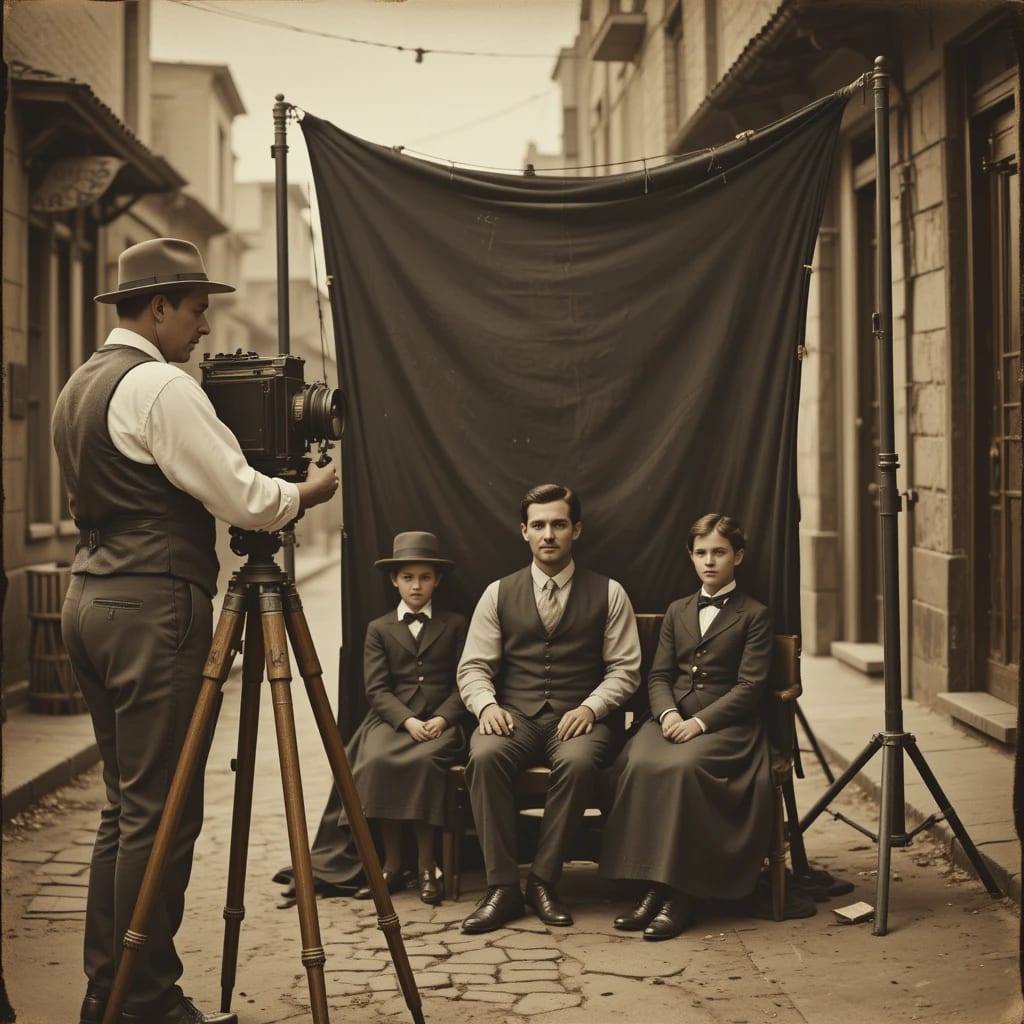
In an era where every smartphone captures high-definition memories with a tap, it’s easy to forget the roots of photography—the bulky, mechanical, and magical antique cameras that once defined human memory. Before digital pixels and instant selfies, there was patience, passion, and an almost sacred silence surrounding the act of taking a photograph.
Let’s rewind to the late 19th and early 20th centuries, when photography was a mysterious art form. Cameras weren't carried in pockets; they were revered instruments—made of polished wood, leather bellows, and gleaming brass. The process was as much about craftsmanship as it was about science. Every click was a commitment.
These early cameras, like the Daguerreotype, Box Brownie, and Large Format Bellows Camera, were more than tools. They were portals through which life was frozen, one exposure at a time.
Back then, having a photograph taken was a serious event. Families dressed in their finest clothes. They sat stiffly under the open sky or in candle-lit parlors, trying to remain perfectly still. Why? Because the exposure time could take several minutes! A blink or a smile could blur the face. That’s why most portraits from that time look so still, so serious.
The photographers themselves were artists, engineers, and inventors rolled into one. They worked with chemicals like silver nitrate and collodion, mixing solutions under red lanterns in darkrooms. They loaded glass plates carefully and used tripods to steady their cameras. One wrong move, and the whole shot was lost.
Some of the most iconic photographs in history—Abraham Lincoln’s portraits, war-time images, early cityscapes—were taken with these antique machines. Each frame told a thousand stories. Unlike today, you couldn’t take 20 pictures and delete the bad ones. You had one chance, and that made it priceless.
One fascinating aspect of old cameras was their ability to surprise. The long exposures sometimes caught faint movements—ghostly hands, blurred footsteps, or whispering leaves—adding an eerie charm. In some cultures, these blurry anomalies were believed to capture spirits or unseen energies.
Antique cameras also had unique aesthetics. The images they produced were rich in contrast, deep in shadow, and full of character. Sepia tones added a nostalgic warmth, while the imperfections—light leaks, vignetting, grain—gave the pictures soul.
Perhaps the most charming element was the box camera photographer on the streets. You might find him in old cities, sitting beside a tripod-mounted wooden camera, with a black cloth draped over his head. For a few coins, he would capture your image, dip it in chemicals, and give you a photo minutes later—freshly printed and wet to the touch.
Such photographs weren’t just memories; they were milestones. A child’s first photo. A wedding portrait. A last goodbye. Every image had weight, meaning, and permanence.
Today, these vintage cameras are collectors' dreams and history buffs' treasures. They remind us of a time when photography wasn’t just about clicking—it was about connecting. With each image, we see not only the faces of the past but the soul of a moment.
In the age of digital abundance, where thousands of images are stored and forgotten, the antique camera teaches us something precious: the value of a single, well-taken photograph.
These old machines, with their ticking timers and wooden bodies, whisper stories to those who listen. They remind us that sometimes, the slower you go, the deeper you feel. In their silent frames lie entire lifetimes—paused, remembered, and revered.
---
AI Image Prompt (for matching image generation):
A vintage photography scene showing a 1900s box camera on a wooden tripod. A man in old-fashioned clothing (vest, pocket watch, round hat) is standing under a black cloth, taking a picture. A serious-looking family sits still in front of the camera—father, mother, children in formal 1900s attire. Background shows a dusty street or old studio setting with soft natural light and sepia tones. The atmosphere is quiet, nostalgic, and timeless.
About the Creator
Noman Afridi
I’m Noman Afridi — welcome, all friends! I write horror & thought-provoking stories: mysteries of the unseen, real reflections, and emotional truths. With sincerity in every word. InshaAllah.
Keep reading
More stories from Noman Afridi and writers in Motivation and other communities.
Ludacris and Nelly draw backlash over bookings at MAGA-coded music festival
Ludacris and Nelly headlining a mostly right-wing event is good for them. It’s also great for the genre of hip hop. The two rap veterans have showcased their talents on other stages. Why can’t they perform for mostly MAGA folks and grab that bag?
By Skyler Saunders4 days ago in Beat



Comments
There are no comments for this story
Be the first to respond and start the conversation.