
Frankincense (Luban): Somalia’s Ancient Resin with Modern Export Potential
How Somalia's ancient resin is finding new life in global trade
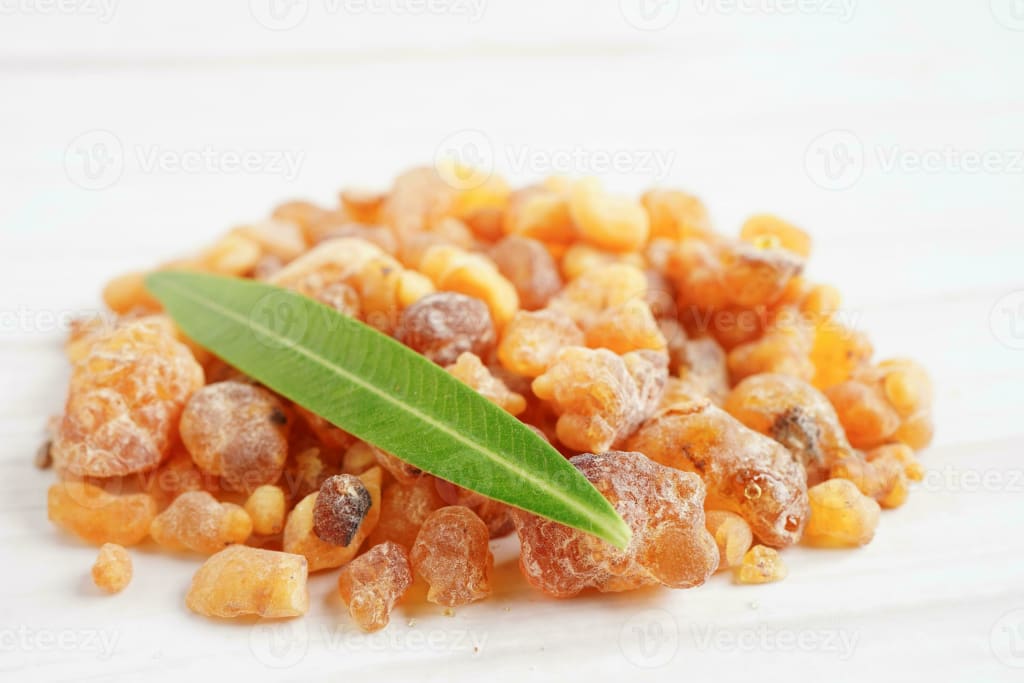
When people think of Somalia’s exports, livestock often comes to mind first. Yet for centuries, Somalia has been supplying the world with something even more precious: frankincense, locally known as luban. Long before modern trade routes, Somali frankincense traveled across the Red Sea, the Arabian Peninsula, and into Europe and Asia. Today, this ancient resin is quietly regaining global attention — and it holds strong potential for small and medium-scale exporters.
Frankincense is harvested from the Boswellia tree, which grows naturally in the dry, rocky regions of Somalia. The process is simple but skilled: the bark is carefully cut, allowing the resin to seep out and harden into aromatic tears. Once collected, luban can be sorted by size, color, and purity. Somalia is widely recognized as producing some of the highest-quality frankincense in the world, particularly the varieties preferred in the Middle East.
What makes frankincense especially attractive as an export product today is its diverse global demand. In Gulf countries, luban is deeply rooted in daily life, used for incense, religious rituals, and hospitality. In Europe and North America, frankincense has found a new market in natural wellness, skincare, aromatherapy, and alternative medicine. It is valued for its calming scent, anti-inflammatory properties, and cultural authenticity.
For small exporters, frankincense offers several advantages. First, it is lightweight but high-value, which helps reduce shipping costs. Second, it has a long shelf life when stored properly, making it less risky than perishable goods. Third, it can be sold in multiple forms: raw resin, powdered incense, essential oil, or blended into traditional perfumes. This flexibility allows exporters to start small and expand gradually.
However, exporting frankincense is not without challenges. One of the main issues is quality control. International buyers expect clean, well-sorted resin free from dirt, bark, or stones. Proper drying, careful handling, and transparent grading are essential. Packaging is another important factor. While frankincense is a traditional product, modern markets expect professional presentation — sealed bags, clear labeling, and consistent weights.
Another challenge is sustainability. Overharvesting and poor tapping practices can damage Boswellia trees over time. Responsible exporters must work closely with harvesters, encouraging ethical collection methods that allow trees to recover. Sustainable sourcing is not only good for the environment but also increasingly important for international buyers who care about traceability and ethics.
Despite these challenges, the opportunity remains strong. Somali diaspora communities already create informal demand, carrying luban in personal luggage to markets abroad. With better organization, branding, and small-scale testing, frankincense exports can move from informal trade to structured business. Even starting with five or ten kilograms can provide valuable learning before scaling up.
Frankincense is more than a product; it is part of Somalia’s history, culture, and natural wealth. In a world that is rediscovering traditional remedies and natural fragrances, luban stands as a bridge between ancient trade and modern entrepreneurship. With care, honesty, and patience, Somali frankincense can once again claim its place on the global stage — not just as incense, but as a symbol of resilience and opportunity.
In addition, frankincense offers opportunities beyond raw export. Value can be added locally through simple processing such as cleaning, grading, and small-scale packaging. With basic training and minimal equipment, exporters can prepare products that meet international expectations while keeping more profit within local communities. Clear communication with buyers, honest sourcing, and consistency in quality help build long-term trust. Over time, these small steps can turn frankincense from an informal trade into a reliable source of income for families and entrepreneurs alike.
With the right support, frankincense exports can also encourage rural employment and preserve traditional harvesting knowledge.
About the Creator
Keep reading
More stories from Khadija Ali and writers in Motivation and other communities.



Comments
There are no comments for this story
Be the first to respond and start the conversation.