
"Finding My Power: How Black Panther Showed Me I Could Be the Hero of My Own Story"
"A journey from the sidelines to the spotlight—how seeing myself represented in Black Panther transformed my sense of identity and belonging."

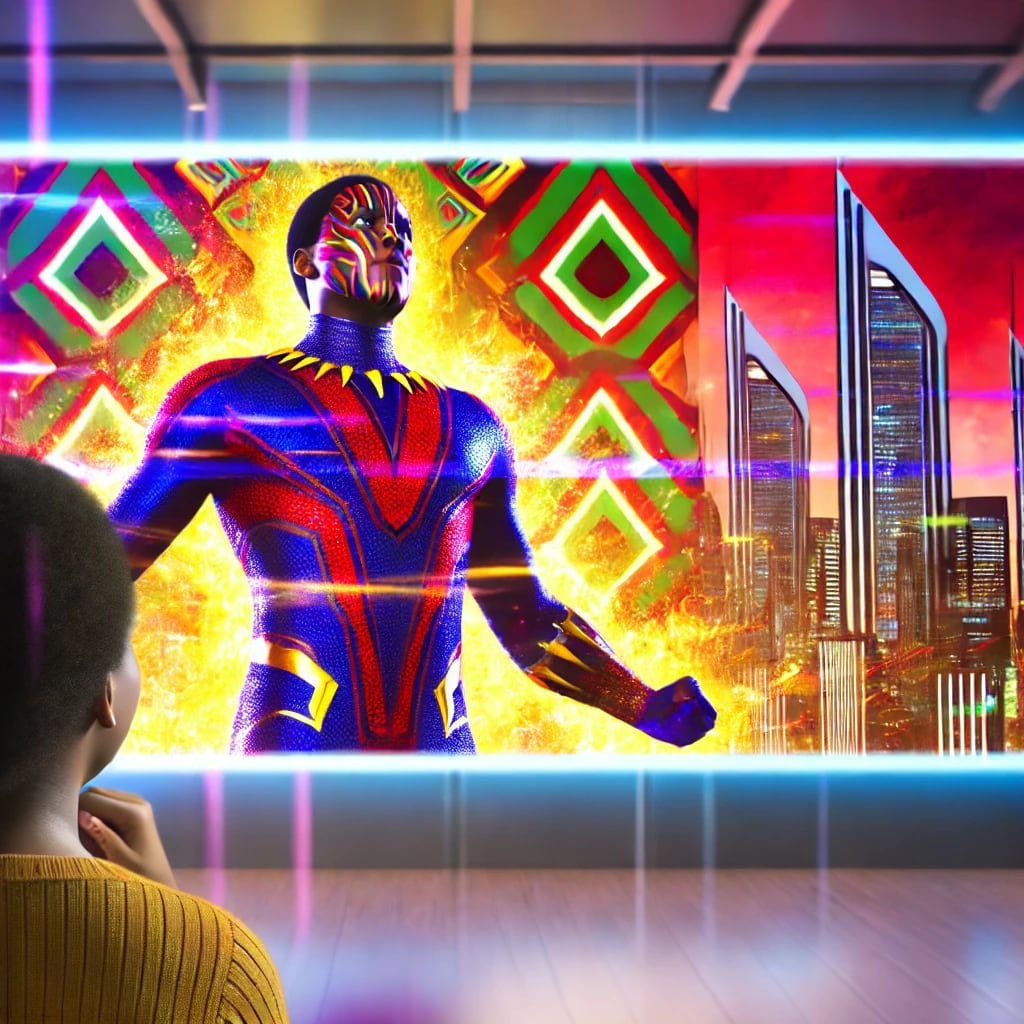
Growing up, superhero movies were more than just entertainment; they were a window into worlds where the impossible became possible, where ordinary individuals discovered extraordinary powers. Yet, despite my love for these stories, there was always a palpable distance—a sense that these worlds were not made for someone like me. The heroes, while inspiring, never mirrored my own image or shared my background. This subtle disconnect lingered at the back of my mind, a quiet whisper reminding me that heroes looked a certain way, and I was not it.
This feeling persisted until 2018, when Black Panther premiered. The buzz around the film was unlike anything I had seen before, but nothing could have prepared me for the profound impact it would have on me. From the moment the film started, it was clear that this was a new kind of superhero story—one where I could see myself not just participating but belonging.
Wakanda was a revelation. Here was a world where blackness was synonymous with beauty, intelligence, and power. The people of Wakanda were leaders in technology, warriors of unmatched skill, and rulers of a kingdom that was the envy of the world. They were not defined by their struggles but by their achievements and their heritage. For the first time, I saw a hero, T'Challa, who was not only strong and brave but also a king—regal and respected.
His sister, Shuri, a tech genius, was a character that particularly resonated with me. Her intelligence and innovation were celebrated, making her a role model to young girls everywhere, showing them that they, too, could change the world with their minds. Every character in Wakanda, from the fierce Dora Milaje to the wise Zuri, contributed to a tapestry of representation that painted a picture of what it means to be black, proud, and powerful.
Sitting in the movie theater, I felt a sense of pride swell within me—a feeling of validation and recognition that had been absent in my many years of consuming superhero media. It was more than just entertainment; it was a message, loud and clear: Black stories matter, Black heroes matter, and Black lives are worthy of being at the center of blockbuster epics.
Black Panther was not just a film; it was a cultural milestone that showed me and millions of others that our heroes could look like us and still be universally embraced. It challenged the norms of the genre, proving that the appeal of superhero stories is not confined to one race or culture.
This experience extended beyond the confines of the cinema. It invigorated discussions about diversity in Hollywood, inspired countless people to embrace their heritage, and sparked a global celebration of African culture through fashion, art, and music. For many, including myself, it was a powerful affirmation of black identity—one that celebrated our roots and our potential.
In reflecting on this experience, I realize how transformative representation in media can be. It shapes perceptions, influences self-esteem, and alters the fabric of societal norms. Seeing myself in Black Panther did more than just entertain me; it changed the way I view myself and my place in the world. It was a reminder that I am part of a legacy that is rich, powerful, and enduring.
As I continue to navigate my path, the lessons of Black Panther stay with me. They remind me of the importance of representation, the power of culture, and the enduring strength of a community that sees its reflections in the heroes they admire. I am more than just a spectator; I am a participant, a creator, and, yes, even a hero in my own right.
About the Creator
Charles Funk
"💪 Sharing expert tips on fitness and weight loss to help you reach your goals! 🥗 For more recommendations and tips, check out my articles or visit 👉 bit.ly/AFM-Links 🚶♀️🔥 #FitnessJourney #WeightLossSuccess"
Keep reading
More stories from Charles Funk and writers in Motivation and other communities.
Accelerate Your Weight Loss: Comprehensive Strategies and Essential Supplements
Introduction: Embarking on a weight loss journey can often feel daunting and slow-paced. However, with the right strategies and a few effective supplements, you can enhance your progress significantly. This article explores proven methods and beneficial supplements that can help streamline your weight loss efforts.
By Charles Funkabout a year ago in Education
Influential Women Magazine: Where Power, Purpose, and Legacy Align
In a world where visibility is often mistaken for influence, Influential Women Magazine stands apart. It is more than a publication - it is a purpose-driven platform that celebrates women whose leadership is rooted in substance, values, and long-term impact. Rather than focusing on fleeting trends or surface-level recognition, the magazine amplifies stories that matter stories of women shaping industries, communities, and future generations through intentional leadership.
By influentialwomenmagazine4 days ago in Motivation


Comments
There are no comments for this story
Be the first to respond and start the conversation.