
Fat Myth Revealed Does the Keto Diet Lead to High Cholesterol
Debunking the Cholesterol Myth: Unveiling the Truth about the Keto Diet
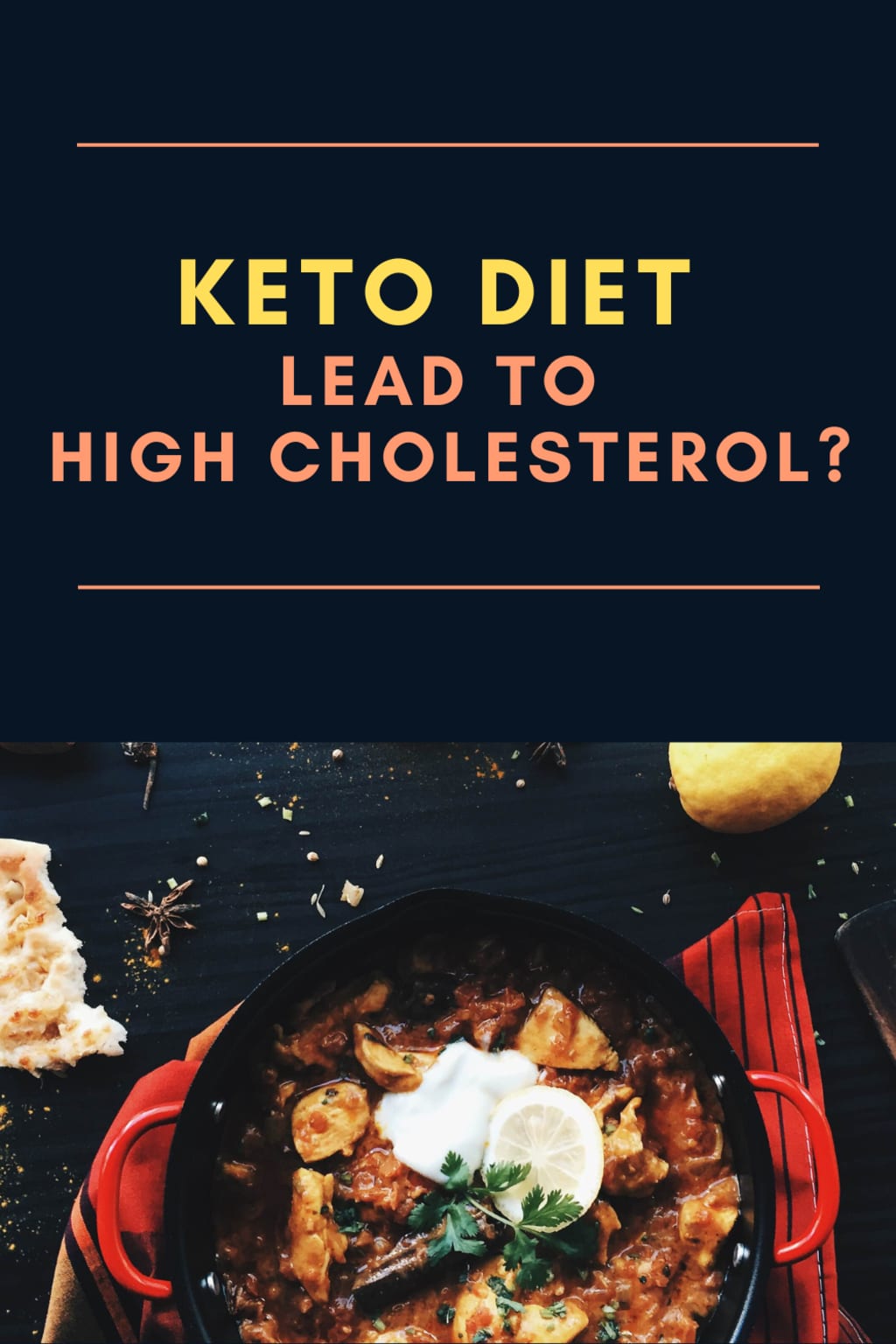
The ketogenic diet, or keto diet, has gained significant popularity for its ability to promote weight loss and improve metabolic health. However, a common concern associated with the keto diet is the potential impact on cholesterol levels. In this article, we will explore the truth behind the fat myth and examine the relationship between the keto diet and cholesterol.
Understanding Cholesterol:
Cholesterol is a waxy substance found in the body and certain foods. It plays essential roles in hormone production, cell membrane structure, and vitamin D synthesis. Cholesterol is transported through the bloodstream in lipoproteins, including low-density lipoprotein (LDL) and high-density lipoprotein (HDL).
Keto Diet and Cholesterol:
Contrary to popular belief, the keto diet does not necessarily lead to high cholesterol levels. In fact, research has shown that the keto diet can lead to improvements in cholesterol profiles for many individuals. However, it is essential to differentiate between the types of cholesterol and understand how the keto diet influences them.
Impact on LDL Cholesterol:
LDL cholesterol is often referred to as "bad" cholesterol because high levels are associated with an increased risk of heart disease. It is important to note that the increase in LDL cholesterol observed in some individuals on a keto diet is primarily driven by an increase in the large, fluffy LDL particles, which are less harmful than small, dense LDL particles. Moreover, the keto diet tends to increase HDL cholesterol levels, which is considered "good" cholesterol and is associated with a reduced risk of heart disease.
Quality of Dietary Fats:
The type and quality of dietary fats consumed on a keto diet play a crucial role in the impact on cholesterol levels. While the keto diet is high in fat, it emphasizes healthy fats such as avocados, nuts, seeds, olive oil, and fatty fish. These fats are rich in monounsaturated and polyunsaturated fats, which have been shown to improve cholesterol profiles and reduce the risk of heart disease.
Individual Variations:
It is important to recognize that individual responses to the keto diet can vary. Some individuals may experience an increase in LDL cholesterol, while others may see improvements or no significant changes. Factors such as genetics, metabolic health, and preexisting conditions can influence these variations. Regular monitoring of cholesterol levels and consulting with a healthcare professional is advisable for those concerned about their cholesterol on a keto diet.
Other Health Markers:
It's crucial to understand that cholesterol levels alone do not provide a comprehensive picture of cardiovascular health. The keto diet has been shown to have beneficial effects on various health markers, such as reducing triglyceride levels, improving insulin sensitivity, and promoting weight loss. These factors play significant roles in overall heart health.
Managing Cholesterol on the Keto Diet:
If you are concerned about your cholesterol levels while following a keto diet, there are several strategies you can implement:
- Focus on Healthy Fats: Emphasize sources of healthy fats such as avocados, nuts, seeds, and fatty fish. These foods provide essential nutrients while promoting favorable cholesterol profiles.
- Incorporate Fiber-Rich Foods: Include fiber-rich foods like non-starchy vegetables, nuts, and seeds in your diet. Fiber can help improve cholesterol levels by binding to cholesterol and aiding in its elimination.
- Regular Physical Activity: Engage in regular physical activity, as exercise has been shown to improve cholesterol profiles and overall cardiovascular health.
- Monitor and Adjust: Regularly monitor your cholesterol levels through blood tests. If you have concerns, consult with a healthcare professional who can provide guidance based on your individual circumstances.
Click here to get your custom Keto Diet Plan
The notion that the keto diet leads to high cholesterol levels is a myth. The keto diet, when implemented with a focus on healthy fats and overall nutrient balance, can actually improve cholesterol profiles and promote heart health. However, individual responses may vary, and it is important to monitor cholesterol levels and consult with a healthcare professional for personalized advice. By understanding the impact of the keto diet on cholesterol and implementing healthy lifestyle choices, you can confidently pursue your health and weight loss goals.
About the Creator
Weight Loss Expert
Discover the power of weight loss foods, effective weight loss tips, and a comprehensive weight loss plan with our ultimate guide! Achieve your goals and transform your lifestyle with a balanced weight loss diet.
Keep reading
More stories from Weight Loss Expert and writers in Motivation and other communities.
5 Simple Alternative Exercises for Burning More Calories
When it comes to burning calories and achieving weight loss goals, traditional exercises like running and cycling often come to mind. However, incorporating alternative exercises into your routine can provide variety, challenge different muscle groups, and help you burn more calories. In this article, we will explore five simple alternative exercises that can boost your calorie burn and enhance your weight loss efforts. From high-intensity interval training to bodyweight exercises, discover how these activities can elevate your fitness level and maximize calorie expenditure. Get ready to spice up your workout routine and take your calorie burn to new heights.
By Weight Loss Expert 3 years ago in Motivation
Little Women, Matriarch & Patriarch: Power, Identity, And Choice
In literature, culture, and everyday life, the tension between matriarch and patriarch has long shaped how families, societies, and identities are formed. From classic novels like Little Women to modern conversations about leadership and gender roles, the debate between patriarchal vs matriarchal systems continues to evolve. Today, many voices are reclaiming authority and declaring with confidence: “I’ll be the matriarch in this life.”
By Matriarchs Media2 days ago in Motivation
The Path to Salvation
The late autumn evening air filled the monk's lungs, but it wasn't the season that chilled his bones. The heavy-handed presence of evil he had sensed upon entering the woods surrounding this mountain village had not bothered to conceal itself from him.
By Made in DNAabout 11 hours ago in Fiction


Comments
There are no comments for this story
Be the first to respond and start the conversation.