
Fascinating Insights Into the Mysterious World of Nocturnal Insects
Moth Mania

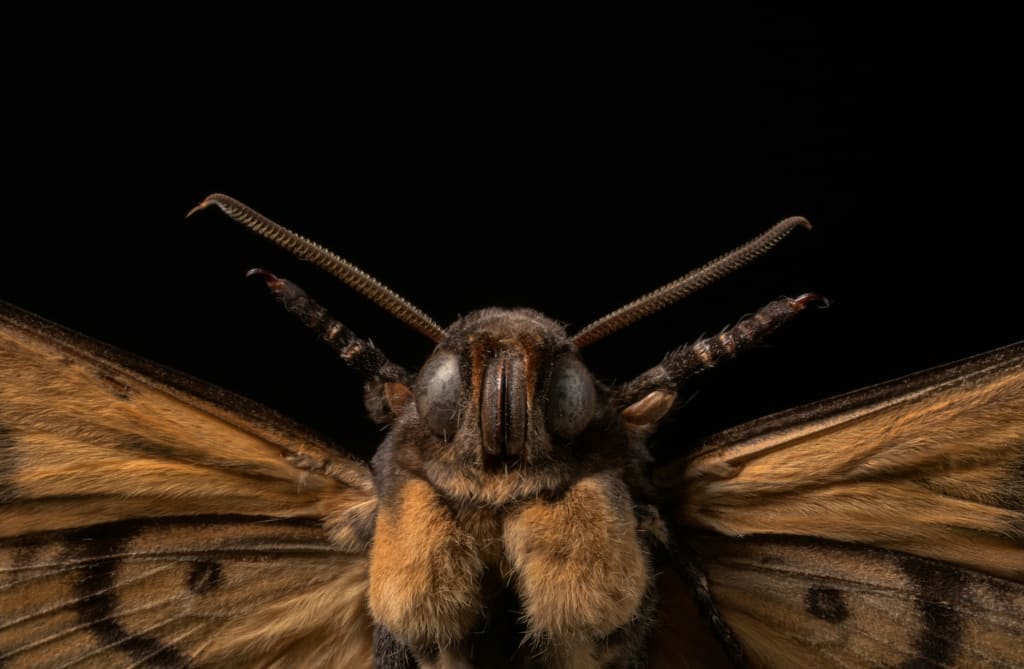
Moths are among the most intriguing and diverse insects found worldwide. Often overshadowed by their more colorful and diurnal counterparts, butterflies and moths play a critical role in ecosystems, particularly in pollination. Despite their essential environmental contributions, many myths and misconceptions surround these nocturnal creatures. This article aims to provide surprising insights into the world of moths, shedding light on their behaviors, unique adaptations, and remarkable diversity.
The Mysterious Behavior of Moths
Moths are primarily nocturnal creatures, meaning they are most active during the night. This behavior is mainly due to their evolutionary adaptations designed to avoid predators. By being active at night, moths can evade many of their natural predators, such as birds, that are more active during the day. Their nocturnal nature also explains why moths are commonly attracted to artificial lights, such as porch lamps and streetlights. It’s believed that moths mistake artificial lights for the moon, which they use for navigation. However, when moths fly toward these lights, they become disoriented, often spiraling around them in what is known as “phototaxis,” a behavior influenced by their sensitivity to light sources.
The attraction to light is not solely a navigational error. Many moth species use the light from the moon to orient themselves as they fly long distances. In nature, the moon’s light provides a consistent point of reference, helping moths maintain their course. However, artificial lights disrupt this delicate navigation system, leading moths to become confused and sometimes even exhausted from flying in circles. This phenomenon raises intriguing questions about how human activity impacts the natural behaviors of nocturnal insects, further illustrating the delicate balance of our ecosystems.
Moths and Their Remarkable Adaptations
Moths have developed a range of fascinating adaptations that help them survive in their environments. One of the most notable adaptations is their ability to camouflage. Many moth species have evolved to blend seamlessly with their surroundings, utilizing their wing patterns and colors to conceal themselves from predators. For example, the Large Poplar Hawkmoth (Laothoe populi) has wings that resemble the bark of trees, allowing it to remain almost invisible when resting on tree trunks.
Additionally, moths possess specialized scales on their wings that help them protect themselves from predators. Some moths, such as the Io Moth (Automeris io), have significant, eye-like markings on their wings that make them appear larger and more intimidating to potential predators. These eyespots serve as a defense mechanism, deterring birds and other predators from attacking. These visual signals are highly effective at confusing predators, giving moths a fighting chance to escape. The combination of camouflage and deceptive markings highlights the moth’s evolutionary ingenuity in surviving against the odds.
The Wide Variety of Moth Species
With over 160,000 known species worldwide, moths are among the most diverse groups of insects. From the tiny, almost invisible micro-moths to the large, magnificent species like the Atlas Moth, which can have a wingspan of up to 12 inches, the range of moths is genuinely remarkable. Moths belong to the order Lepidoptera, which also includes butterflies; however, they exhibit greater variation in size, shape, and behavior. While butterflies are typically known for their colorful, brightly patterned wings, moths often feature more muted colors or patterns that provide them with camouflage in their natural habitats.
One of the most stunning species is the Death 's-head Hawkmoth (Acherontia atropos), which is instantly recognizable due to the skull-like markings on its thorax. This moth is shrouded in both intrigue and myth, mainly due to its eerie appearance and its historical association with folklore and superstitions. Despite its intimidating look, the Death 's-head Hawkmoth is a harmless insect that plays an essential role in pollination. This moth’s fascinating features, including its ability to make a loud squeaking sound when threatened, further underscore the unexpected and often misunderstood world of moths.
Moths and Their Role in Ecosystems
Although often overlooked, moths play a vital role in many ecosystems. Their primary contribution is in pollination. Moths are attracted to flowers that bloom at night, and as they feed on nectar, they inadvertently transfer pollen from one bloom to another. This helps facilitate plant reproduction, particularly for plants that rely on nocturnal pollinators. Some of the most important crops, including certain fruits, vegetables, and flowers, benefit from moth pollination.
Moreover, moths are a crucial food source for a wide range of predators. Birds, bats, and even some mammals rely on moths as a primary food source, especially during the warmer months when moth populations are at their peak. The larvae of moths, known as caterpillars, are also crucial to the food web. These caterpillars feed on a wide range of plants, and in turn, they provide sustenance for birds and other animals higher up the food chain. The intricate relationship between moths, their larvae, and the animals that depend on them underscores the importance of maintaining healthy moth populations to preserve biodiversity.
Moths as Indicators of Environmental Health
Moths are often referred to as “bioindicators,” meaning that their presence, abundance, and diversity can provide valuable insights into the health of an ecosystem. Because moths are sensitive to environmental changes, such as pollution, habitat loss, and climate change, they serve as an essential indicator for scientists monitoring the health of ecosystems. A decrease in moth populations can signal disruptions in the food web or the deterioration of natural habitats.
For example, research has shown that moths are highly susceptible to light pollution, which disrupts their natural behaviors and mating patterns. Urbanization, with its bright streetlights and artificial lighting, can lead to significant declines in moth populations, particularly in areas where nocturnal species rely on darkness for survival. This has led to concerns about the impact of human activity on nocturnal insects and their role in pollination and biodiversity. Monitoring moth populations in various regions helps scientists understand the broader effects of environmental changes on wildlife.
The Future of Moths in a Changing World
Despite their ecological significance, moth populations face several challenges due to human activities. Habitat destruction, light pollution, pesticide use, and climate change all pose significant threats to the survival of many moth species. As urban areas expand and natural habitats shrink, moths are forced to adapt or face population declines. Conservation efforts are crucial for protecting these nocturnal insects, ensuring they continue to thrive in the wild.
One promising initiative involves creating moth-friendly spaces in urban environments. By reducing light pollution, planting moth-friendly plants, and using fewer pesticides, cities can help support local moth populations. There are also ongoing research projects focused on understanding the migratory patterns and habitat needs of moths, which will guide conservation strategies to protect these important insects.
Moths and Their Hidden Wonders
Moths may not always receive the same attention as butterflies, but they are truly remarkable creatures in their own right. From their impressive adaptations for survival to their role in pollination and the food chain, moths play a vital role in the health of ecosystems worldwide. By learning more about these nocturnal insects and understanding their significance, we can better appreciate the role they play in maintaining the delicate balance of nature. As we move forward, it’s crucial to consider the impact of our actions on moth populations and work toward creating environments where these fascinating insects can continue to thrive.
About the Creator
Keep reading
More stories from Akito Kawahara and writers in Motivation and other communities.
Lepidoptera Life Cycle Explained: From Egg to Butterfly
The Lepidoptera life cycle is one of nature’s most fascinating journeys. It shows how tiny eggs become colorful butterflies. In this article, you will learn each stage of this process. You will also see why the Lepidoptera life cycle matters for our world.
By Akito Kawahara7 months ago in Education
Voices That Changed the World
Introduction A few words uttered or written by exceptional minds have survived generations, empires, and technological advancements throughout history. These words were sparks, not merely statements. sparks that sparked movements, discoveries, revolutions, and individual changes.
By Tousif Arafat7 days ago in Motivation


Comments