
Explanation Of What The Quran Is And Its Significance In Islam
Quran

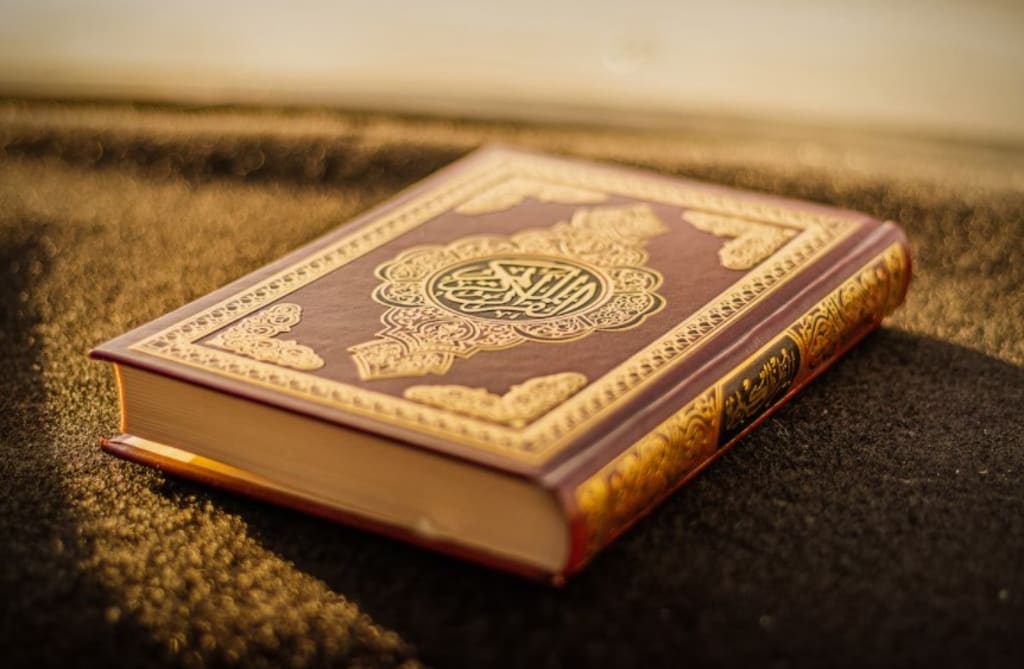
The Quran is the holy book of Islam, which Muslims believe to be the literal word of God as revealed to the Prophet Muhammad over a period of 23 years. It is considered the primary source of Islamic guidance and contains the fundamental beliefs, moral teachings, and practical guidance for Muslims.
The Quran consists of 114 chapters, or surahs, which are organized in order of length rather than chronology. Each surah is composed of verses, or ayat, and the Quran contains a total of 6,236 verses. The language of the Quran is Arabic, and it is considered the pinnacle of Arabic literature.
The Quran is not only significant in Islam, but it is also a source of unity among the worldwide Muslim community. It is considered the final revelation from God to humanity and supersedes all previous revelations. The Quran's teachings cover a wide range of topics, including the oneness of God, the purpose of life, moral values, social justice, family values, and many other aspects of daily life.
The Quran also serves as the foundation of Islamic law, or Shariah. Its teachings guide Muslims in their daily lives, including their worship, personal behavior, and relationships with others. Muslims believe that the Quran is a miraculous and divine revelation that provides them with spiritual guidance and wisdom to navigate the challenges of life.
The recitation of the Quran is an essential part of Islamic worship, and Muslims believe that reciting its verses brings blessings and rewards from God. The Quran has been translated into many languages, and millions of people around the world have memorized it in its original Arabic language.
Overall, the Quran holds a central and revered position in Islam and is considered the ultimate source of guidance for Muslims.
Importance Of Understanding The Quran Through Translation
The Quran is written in Arabic, which is not the native language for most Muslims and non-Muslims around the world. Therefore, translation of the Quran into other languages is essential to make its teachings accessible to a broader audience. Understanding the Quran through translation has significant importance in several ways:
Access to Divine Guidance: The Quran is considered the primary source of guidance for Muslims, and its teachings provide moral, social, and spiritual guidance to millions of people worldwide. Understanding the Quran through translation allows non-Arabic speakers to access its divine guidance and incorporate its teachings into their daily lives.
Clarification of Misunderstandings: The Quran's teachings can be misinterpreted or misunderstood if not studied carefully, leading to incorrect beliefs and practices. Translation of the Quran allows individuals to understand its teachings more clearly and avoid misinterpretations.
Promotion of Unity: The Quran's teachings promote unity and respect for diversity among people. Understanding the Quran through translation can help people of different cultures and languages to come together, understand each other better, and work towards common goals.
Preservation of Cultural Heritage: The Quran is not only a religious text but also a significant cultural heritage for the Arabic language and its literature. Translating the Quran into other languages helps preserve the Arabic language and promotes its cultural heritage worldwide.
Promoting Dialogue: Understanding the Quran through translation can also promote interfaith dialogue and understanding between different religions and cultures. The Quran's teachings on social justice, morality, and peaceful coexistence can provide a basis for constructive dialogue between people of different faiths.
In summary, understanding the Quran through translation is essential to make its teachings accessible to a wider audience, promote unity, clarify misunderstandings, preserve cultural heritage, and promote interfaith dialogue.
Brief History Of Quran Translation
The translation of the Quran began shortly after the revelation of Islam's holy book to Prophet Muhammad in the 7th century. However, the earliest translations were not complete, and they were only partial translations of a few surahs.
The first complete translation of the Quran into another language was in Persian by the scholar Salman the Persian in the 10th century. This translation was followed by several other translations into other languages, including Turkish, Urdu, and Malay, among others.
The first complete translation of the Quran into English was made by George Sale in 1734. This translation was based on the Arabic text available to him at that time and was not entirely accurate by modern standards.
Since then, there have been numerous translations of the Quran into various languages, with modern translations incorporating new research and scholarship on the Arabic language and its literature. The modern translations aim to provide a more accurate and nuanced understanding of the Quran's teachings.
The translation of the Quran has also become more accessible in recent years, with many digital translations and audio versions available online. Today, the Quran has been translated into over 100 languages, making it accessible to millions of people worldwide.
Importance Of Choosing The Right Quran Translation
Choosing the right Quran translation is crucial for anyone who wants to understand the Quran's teachings accurately. Here are some reasons why it is important to choose the right Quran translation:
Accuracy: The Quran is a complex text with a depth of meaning and subtleties of language that can be difficult to translate accurately. Choosing the right translation means selecting one that is faithful to the original Arabic text and conveys its meaning as accurately as possible.
Style: The style of translation can vary widely, from the literal to the more interpretive. A literal translation may be more accurate, but it may not convey the nuances of the original language. An interpretive translation may be more readable and accessible, but it may not be as precise. Choosing a translation that suits one's preference can help facilitate understanding and engagement with the text.
Background of the translator: A translator's background and expertise can influence the translation's accuracy and interpretation. Therefore, it is essential to choose a translator with the right qualifications, such as being a native speaker of both the source and target languages, having a deep understanding of Islamic scholarship, and possessing linguistic expertise.
Context: The Quran was revealed in a particular historical, cultural, and linguistic context. The translator's understanding of this context can help provide a more accurate and nuanced translation. Therefore, it is important to choose a translation that takes into account the historical context of the Quran.
Religious orientation: Different translations of the Quran can reflect different religious orientations or schools of thought. Choosing a translation that reflects one's religious orientation or preferences can help one connect better with the text and its teachings.
In conclusion, choosing the right Quran translation is essential to accurately understand and appreciate the Quran's teachings. It is important to consider factors such as accuracy, style, the translator's background, context, and religious orientation when selecting a translation.
Conclusion
In conclusion, the Quran is a significant religious text for Muslims worldwide, and understanding its teachings is crucial for practicing Islam correctly. Translation of the Quran into various languages has made it accessible to a broader audience, promoting unity, clarifying misunderstandings, preserving cultural heritage, and promoting interfaith dialogue. However, choosing the right Quran translation is essential to accurately understand the Quran's teachings. It is important to consider factors such as accuracy, style, the translator's background, context, and religious orientation when selecting a translation. By choosing the right Quran translation, individuals can gain a more profound understanding of the Quran's teachings and live a life guided by its moral, social, and spiritual principles.
About the Creator
Keep reading
More stories from Kamran Shoukat and writers in Motivation and other communities.
The Importance Of Pray Times In Islam Religion
Pray times, also known as salah or Namaz times, refer to the designated times for Muslims to perform their obligatory prayers throughout the day. It is an essential aspect of the Islamic faith and is considered one of the five pillars of Islam. In this article, we will explore the significance of pray times and the benefits of adhering to them.
By Kamran Shoukat3 years ago in Motivation




Comments (1)
Keep up the great work!"