
Embracing a Healthy Lifestyle: A Journey to Wellness
Healthy Lifestyle


In today's fast-paced world, the concept of a "healthy lifestyle" often gets overshadowed by the hustle and bustle of everyday life. Yet, adopting a healthy lifestyle is not just about looking good; it's about feeling good and enjoying a higher quality of life. It’s a holistic approach that encompasses physical, mental, and emotional well-being. Let's explore how to embark on this journey to wellness.
Nourishing Your Body: The Power of a Balanced Diet
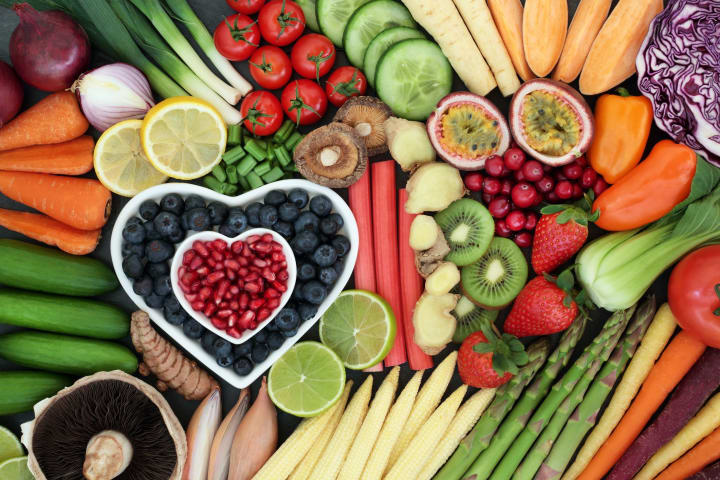
What we eat directly impacts our health. A balanced diet rich in fruits, vegetables, whole grains, lean proteins, and healthy fats is the cornerstone of good health. These foods provide essential nutrients that our bodies need to function optimally.
- Fruits and Vegetables: These are packed with vitamins, minerals, and antioxidants that help protect against chronic diseases.
- Whole Grains: Foods like brown rice, oats, and whole-wheat products provide fiber, which aids digestion and keeps you full longer.
- Lean Proteins: Sources like chicken, fish, beans, and legumes are vital for muscle repair and overall bodily functions.
- Healthy Fats: Avocados, nuts, seeds, and olive oil provide good fats that support brain health and reduce inflammation.
Incorporating these elements into your diet, while minimizing processed foods and added sugars, can lead to improved energy levels, better mood, and enhanced overall health.
Staying Active: The Role of Exercise
Physical activity is a key component of a healthy lifestyle. Regular exercise helps maintain a healthy weight, improves cardiovascular health, strengthens muscles, and enhances flexibility.
- Aerobic Exercise: Activities like walking, running, cycling, and swimming increase your heart rate and improve cardiovascular fitness.
- Strength Training: Lifting weights or doing bodyweight exercises like push-ups and squats helps build muscle mass and bone density.
- Flexibility and Balance: Yoga and stretching exercises improve flexibility, reduce the risk of injury, and enhance balance and coordination.
The key is to find activities that you enjoy so that exercise becomes a regular and enjoyable part of your life. Aim for at least 150 minutes of moderate-intensity exercise or 75 minutes of vigorous-intensity exercise each week.
Mental Well-being: The Importance of Mental Health
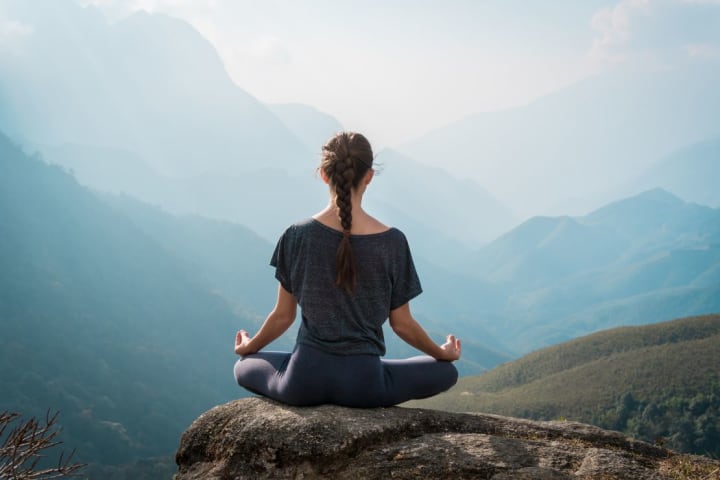
A healthy lifestyle isn’t just about physical health; mental well-being is equally important. Stress, anxiety, and depression can have serious effects on physical health, so it's crucial to take care of your mind as well.
- Mindfulness and Meditation: Practicing mindfulness or meditation can help reduce stress, improve focus, and promote a sense of calm.
- Adequate Sleep: Prioritize 7-9 hours of sleep per night to allow your body and mind to rest and recharge.
- Social Connections: Strong relationships and a supportive social network can improve mental health and increase longevity.
- Hobbies and Relaxation: Engaging in activities you love can boost your mood and provide a healthy outlet for stress.
Make time for self-care, whether it's reading a book, taking a walk in nature, or simply spending time with loved ones. Your mental health is a vital part of your overall well-being.
Hydration: The Foundation of Health
Water is essential for every cell in your body. Staying hydrated helps maintain body temperature, lubricates joints, and aids in digestion and nutrient absorption.
- Drink Water Regularly: Aim for at least 8 cups (64 ounces) of water per day, more if you're active or in a hot climate.
- Limit Sugary Drinks: Beverages like soda, energy drinks, and even fruit juices can contain excessive amounts of sugar. Opt for water, herbal teas, or sparkling water with a splash of lemon or lime.
Listening to your body’s thirst signals and drinking water throughout the day can help you maintain energy levels and prevent dehydration.
Rest and Recovery: The Importance of Sleep
Rest is as important as activity in a healthy lifestyle. Quality sleep is crucial for the body to repair and regenerate. Poor sleep can lead to weight gain, reduced immunity, and increased risk of chronic diseases.
- Establish a Sleep Routine: Go to bed and wake up at the same time every day to regulate your body’s internal clock.
- Create a Relaxing Environment: Make your bedroom conducive to sleep by keeping it cool, dark, and quiet.
- Limit Screen Time Before Bed: Exposure to screens can interfere with the production of melatonin, the hormone that regulates sleep.
Getting enough rest not only improves your mood and cognitive function but also enhances your body’s ability to recover from daily stresses.
Mindful Living: The Path to Sustainability
Living a healthy lifestyle is not about making drastic changes overnight. It's about making small, sustainable changes that you can maintain over the long term.
- Set Realistic Goals: Start with achievable goals, whether it’s eating more vegetables, walking daily, or meditating for five minutes.
- Be Patient and Consistent: Change takes time, so be patient with yourself and stay consistent.
- Celebrate Progress: Acknowledge and celebrate your successes, no matter how small they may seem.
Remember, a healthy lifestyle is a journey, not a destination. It’s about finding balance, making mindful choices, and taking care of your body and mind. By embracing these habits, you can enjoy a life that is not just longer, but fuller and richer in every sense.
Embark on your journey to wellness today, and experience the transformative power of a healthy lifestyle.
About the Creator
Ryan and Daga
from Poland and Canada, we love healthy lifestyle, breathing, meditation
Reader insights
Nice work
Very well written. Keep up the good work!
Top insights
Easy to read and follow
Well-structured & engaging content
Expert insights and opinions
Arguments were carefully researched and presented
Heartfelt and relatable
The story invoked strong personal emotions
On-point and relevant
Writing reflected the title & theme
Keep reading
More stories from Ryan and Daga and writers in Motivation and other communities.
Best Airfryer To Buy Right Now
Air fryers have become a popular kitchen appliance, known for their ability to create crispy, delicious meals with significantly less oil than traditional frying methods. These versatile devices work by circulating hot air around food, which mimics the results of deep frying but with a fraction of the fat and calories. This guide provides an in-depth look at air fryers, starting with how they work and the different types available, including basket-style, oven-style, and multi-functional models.
By Ryan and Dagaabout a year ago in Lifehack
One Hard Thing
Stop me if you’ve heard this one before: You have the number, you know your schedule- you’ve even picked out the perfect day and time to make this appointment. Shoot, you’ve even picked out alternative days and times just in case their schedules can’t accommodate you!
By Taylor Rigsby14 days ago in Motivation
Dreams And Destiny
In the village of Ali Pur, the air was often thick with the scent of dry earth and the weight of tradition. Life there functioned like a clock with a rusted spring—steady, predictable, and slow. The villagers lived by a singular philosophy: Kismet, or destiny. They believed that a man’s path was carved into his palm before he was even born. To challenge one's lot in life was seen not just as foolish, but as an affront to the natural order.
By Said Sadiq about 14 hours ago in Motivation




Comments (1)
mmmm lovely reminders thank you