
Dopamine, Our Pleasure & Reward Agent
It’s fascinating, really, how much of our desires, needs, and pursuits depend on more than just our brain or our spirit — all of it is connected.

Today’s main character, dopamine, is literally an all-in-one guy. Do you know that moment you feel joy after accomplishing the task? Or the rush of satisfaction that comes with picking up your favorite hobby? Yep, it’s dopamine’s doing.
Although the topic may seem too biological, I want to discuss it because it deepens our understanding of how our bodies and brains function. This also gives us an in-depth view of how all of this connects to all of us. Ready for that dopamine kick after finishing the article? Well, let’s go!
Briefly About Dopamine
Let’s get done with the fancy words first. Dopamine is a neurotransmitter that is like a messenger in your own body. Your very local mail service. It helps us regulate motivation, pleasure, and reward. Due to it, our nerve cells communicate — this drives our brain’s reward system.
But it doesn’t mean that we always need to have high dopamine levels. Imagine someone who always giggles and never gets a break. Alas, too little dopamine isn’t fun either: it can actually cause Parkinson’s or restless leg syndrome.
So, essentially, balancing dopamine is the best way to keep a healthy mind and to have the energy to do stuff and feel good about it.
Don’t get scared. It’s just something to know; we aren’t afraid of the need to drink water or respect our boundaries, so remembering that dopamine is vital shouldn’t be terrifying as well — just FYI.
Go, Go, Go! Motivation
Dopamine is responsible for motivating us to do things. It helps you get going about the exam in the morning, your evening run, or that homework assignment you’ve been putting off. Contrary to what we might think at first, we can balance our short-term and long-term gains and rewards, and that’s in many ways thanks to dopamine. Because without it, we might never even start the task.
Here’s what dopamine does for us:
- Encourages us to act
- Boosts our motivation
- Positively reinforces our task completion.
Have Some Fun, Baby! Reward & Pleasure
Because dopamine is about feeling good AND dedicated, our brain’s reward system depends on it. You didn’t think that you just start pursuing dreams randomly, did you?
When we identify a specific objective and act toward it, dopamine is what keeps us excited about it. Once the initial excitement subsides, it encourages us to maintain our focus. Imagine if dopamine only worked when we get interested; then, not a single goal in the world would have been achieved. And so that’s how dopamine helps us develop healthy habits: we form associations with the productive tasks and start liking them. For example, when we try journaling for a bit and it finally becomes satisfying, we do it regularly.
Here’s a quick step-by-step progression of the dopamine effect:
Step 1. Your brain anticipates a reward when you envision something nice, maybe reading a book or having a tasty meal at a new restaurant. That’s when your dopamine levels rise.
Step 2. Now, when the reward is close, all that dopamine is released. This makes you feel pleased.
Step 3. The best part is that dopamine enables you to remember this moment of satisfaction. It strengthens the link between the neurons, and you start to associate a certain activity with fun.
Simply put, repetition and a positive association with an activity allow us to achieve long-term goals as much as we appreciate instant gratification.
Dopamine guides these daily activities:
- Enjoying food
- Exercising and moving your body
- Waking up and staying alert
- Learning (school & work & for fun)
- Being social
- Setting and achieving goals.
See? This can help you understand how you function and listen to yourself kindly. And with patience.
And with that, we can move toward the action stage — what to do if something goes wrong.
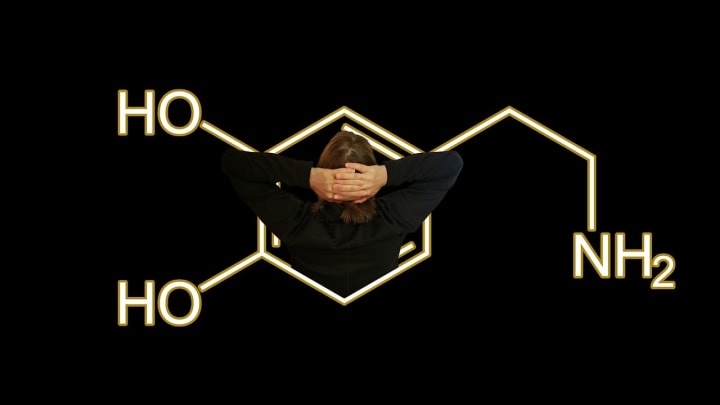
Regulating Dopamine Levels
Dopamine imbalance isn’t just a passing, unappealing state that ends in a few hours. In some situations, a chronic dysregulation of this neurotransmitter leads to long-term mental and physical challenges. Some of these changes can pass easily, but others can harm our well-being. Like, a lot.
I think half of the process is about preventing severe problems. We need to take care of our minds and bodies all the time, and not just when we’re long past the point of return. The golden rule, in this case, is to balance quick fun with more sustainable routines when it comes to our mood and pleasure. Take your favorite cake, for instance. It’s a short-term pleasure, see? Or your most-viewed Netflix show. Again, it’s a relatively immediate reward. Then we can introduce something like exercising, which we have to turn into a habit to enjoy. Such a harmony creates healthier dopamine levels and develops a more complex texture of your routines.
Going Up
What do you do when you need a boost to your pleasure and reward system? Let’s go for the obvious first: exercising. Yes, movement, especially cardio and strength activities, will give you that splash of joy. The same goes for the foods — nutritious and delicious is your bet.
I want to remind you about how cool a new hobby can be. Because it’s something new and fun, your dopamine will surge accordingly. Ever dreamed of starting guitar lessons? Knitting? Skating? Go for it.
Also, because dopamine is about enjoying details around you and noticing them, gratitude can be a way for you to poke yourself to see more. Teach yourself to discover more exciting and pleasurable moments during the day and record them in your journal.
And here’s the secret to feeling happier more often: appreciate the small wins. Create a to-do list and celebrate every item you cross off. Praise yourself for even short steps you take in your daily responsibilities — this can break the routine and make it more exciting.
Going Down
Now, it’s time for the opposite strategy. First of all, lowering dopamine comes with slowing down. We are already running on fumes and pure giddiness. The first step toward this is reducing the amount of stimulants you’re consuming — caffeine, sugar, all that jazz can wait until tomorrow.
And while movement is still awesome, go for a slower kind. It’s more self-exploration and less pushing yourself. Yoga or stretching is your safe choice here. If the entire day is a long exercise, then the time for low-dopamine activity is like cooling down.
Finally, try going for a digital detox at least occasionally. Even if it’s just an hour of your time without a screen, it’ll do wonders for your dopamine and mental health, too.
All of these activities, combined with a bit of structure, can slowly rebuild balance in your brain chemistry. You will feel more stable and relaxed just by paying attention to your body’s cues and giving it what it needs.
If you feel like you cannot fix all of it on your own, medication is a possible direction. However, I suggest that you consult with your physician first — they might prescribe some additional tests before you go ahead.
Your Mind Knows What It Needs
Phew, that was quite a bit of information, right? Don’t let all of this overwhelm you, though. Dopamine is just a tiny part of you, even if it does so much at once. You always know what you might need in the moment. Just keep your heart open and, before choosing a particular path, pause. What is it that speaks to you? And soon, you will always hear yourself.
About the Creator
Mikaela D
Hello! My name is Mikaela, and I’m a holistic life coach, a yoga practitioner, and a helping hand to women who are on their way to rediscover themselves and find their self-worth.
Keep reading
More stories from Mikaela D and writers in Motivation and other communities.



Comments
There are no comments for this story
Be the first to respond and start the conversation.