

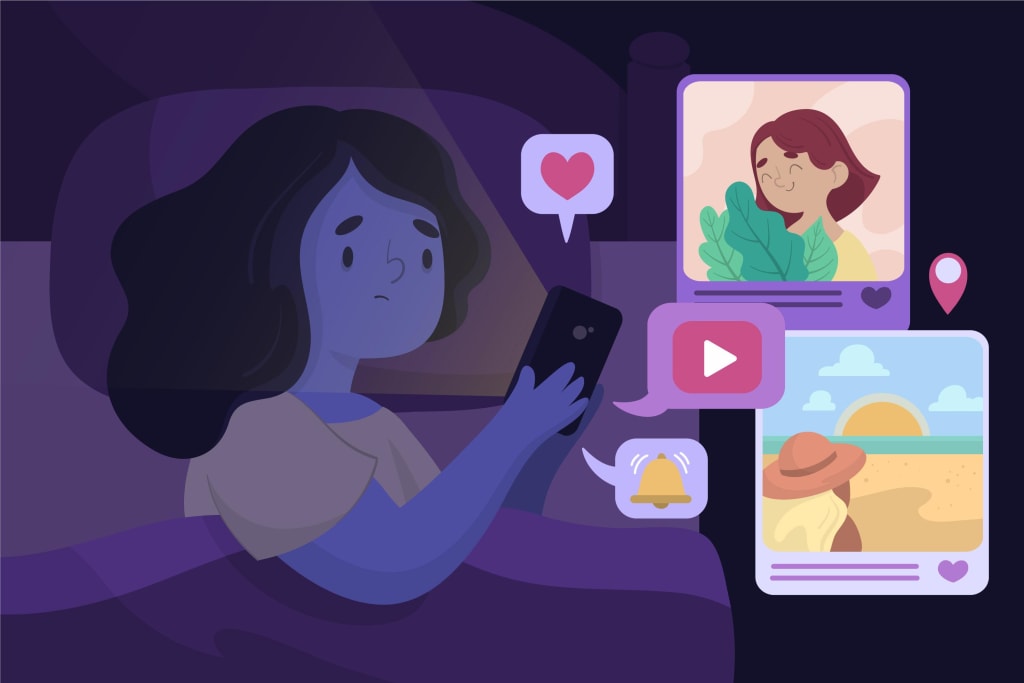
How Social Medias (Instagram,FaceBook) are Making You Sick ?
Today Social Medias are one of the thing that cant be kept apart from our daily life.Before jumping into the content i have a question for you guys "Do Instagram and other social-media is stalking you ? "
The answer is definitely Yes.........
Stalking
Stalking on social media can have a significant impact on the victim's mental health and well-being. The constant surveillance and monitoring can create feelings of fear, anxiety, and helplessness. Victims may feel like they are always being watched, which can make them reluctant to post anything on social media or even leave their homes.
Stalking on social media can also lead to harassment and abuse. Stalkers may use social media to send threatening messages, make unwanted contact, or post embarrassing or private information about the victim. This can lead to feelings of shame and humiliation for the victim, as well as damage to their reputation.
Furthermore, stalking on social media can also have serious physical consequences. Stalkers may use social media to gather information about the victim's whereabouts or schedule, which can put them in danger if the stalker decides to escalate their behavior.
Overall, stalking on social media is a serious problem that can have a significant impact on the victim's mental and physical health. If you are a victim of stalking on social media, it is important to seek help and support from trusted friends, family, or a professional.
If You Found This Article Helpful Follow me on
https://instagram.com/thofi._u/
Leading To Distractions
Social media can become a distraction in several ways. Here are some ways in which social media can distract people:
Endless scrolling: Social media platforms are designed to keep users engaged for as long as possible. The infinite scroll feature encourages users to keep scrolling, consuming content, and spending more time on the platform than they intended.
Notifications: Social media notifications can be distracting, especially when they pop up while you are working or studying. Notifications can disrupt your concentration and make it difficult to focus on the task at hand.
Comparison trap: Social media can create a sense of competition and comparison among users. People often compare their lives and accomplishments to those of others, which can lead to feelings of inadequacy, anxiety, and distraction from their own goals.
Multitasking: Social media can make it tempting to multitask, such as checking your phone while you are working on a project. This can be distracting and negatively impact your productivity.
Addiction: Social media addiction can cause people to spend hours on the platform, even when they know they should be doing something else. This can lead to neglect of responsibilities, relationships, and other important aspects of life.
In summary, social media can become a distraction by encouraging endless scrolling, sending notifications, fostering a comparison trap, promoting multitasking, and even causing addiction. To avoid social media distractions, it is essential to set boundaries, manage notifications, limit time on the platform, and prioritize important tasks.
Causes DIPRESSION
There is evidence to suggest that social media use can contribute to depression, but it is not a direct cause. Several factors associated with social media use can increase the risk of depression, including:
Social comparison: Social media often presents an idealized version of people's lives, which can lead to social comparison. People may compare themselves to others on social media, which can lead to feelings of inadequacy, envy, and low self-esteem.
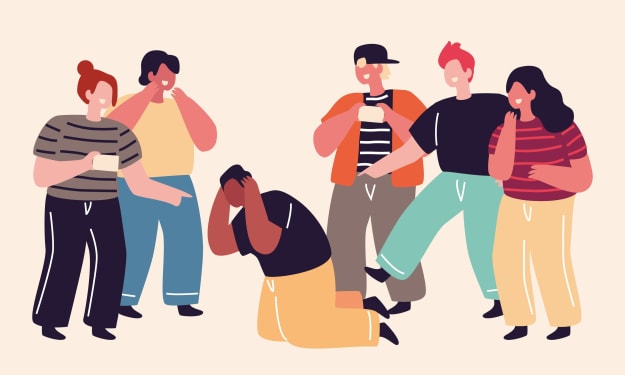
Cyberbullying: Social media can be a platform for cyberbullying, which can lead to feelings of fear, anxiety, and depression. People who experience cyberbullying may feel helpless and isolated, which can exacerbate depression symptoms.
Sleep disturbances: Social media use has been linked to sleep disturbances, which can contribute to depression. People who use social media before bed or during the night may experience disrupted sleep patterns, which can negatively impact mood.
Addiction: Social media addiction can lead to neglect of responsibilities, relationships, and other important aspects of life, which can contribute to depression.
While social media use can contribute to depression, it is important to note that it is not the only factor. Depression is a complex condition that can be influenced by a variety of biological, psychological, and social factors. If you are experiencing symptoms of depression, it is important to seek professional support.
About the Creator
Rijo Raj
Hey , Myself Rijo Raj. An Entrepreneur , Content Writer And the Founder-Ceo Of a Customized Merchandising Service Winter Mallu
Keep reading
More stories from Rijo Raj and writers in Motivation and other communities.
What is Social-Phobia? | How to Overcome This Phase
What is Social-Phobia ? 🤔 Social phobia, also known as social anxiety disorder, is a type of anxiety disorder characterized by intense and persistent fear or anxiety in social situations. People with social phobia experience extreme anxiety and distress in a variety of social situations, including social gatherings, parties, public speaking, and even eating in public.
By Rijo Raj3 years ago in Motivation
Why Successful People Are Different
The Day I Realized I Was Stuck I’ll never forget that rainy evening when I felt invisible. Everyone around me seemed to be moving forward—friends landing their dream jobs, starting businesses, chasing passions—while I sat on my couch, feeling like life was passing me by.
By Fazal Hadi6 days ago in Motivation



Comments
There are no comments for this story
Be the first to respond and start the conversation.