
"Digital Detox: How Unplugging Can Boost Your Mental Clarity, Focus, and Happiness"
Break free from screen addiction and discover how a digital detox can improve your focus, reduce anxiety, and bring joy back to your everyday life.

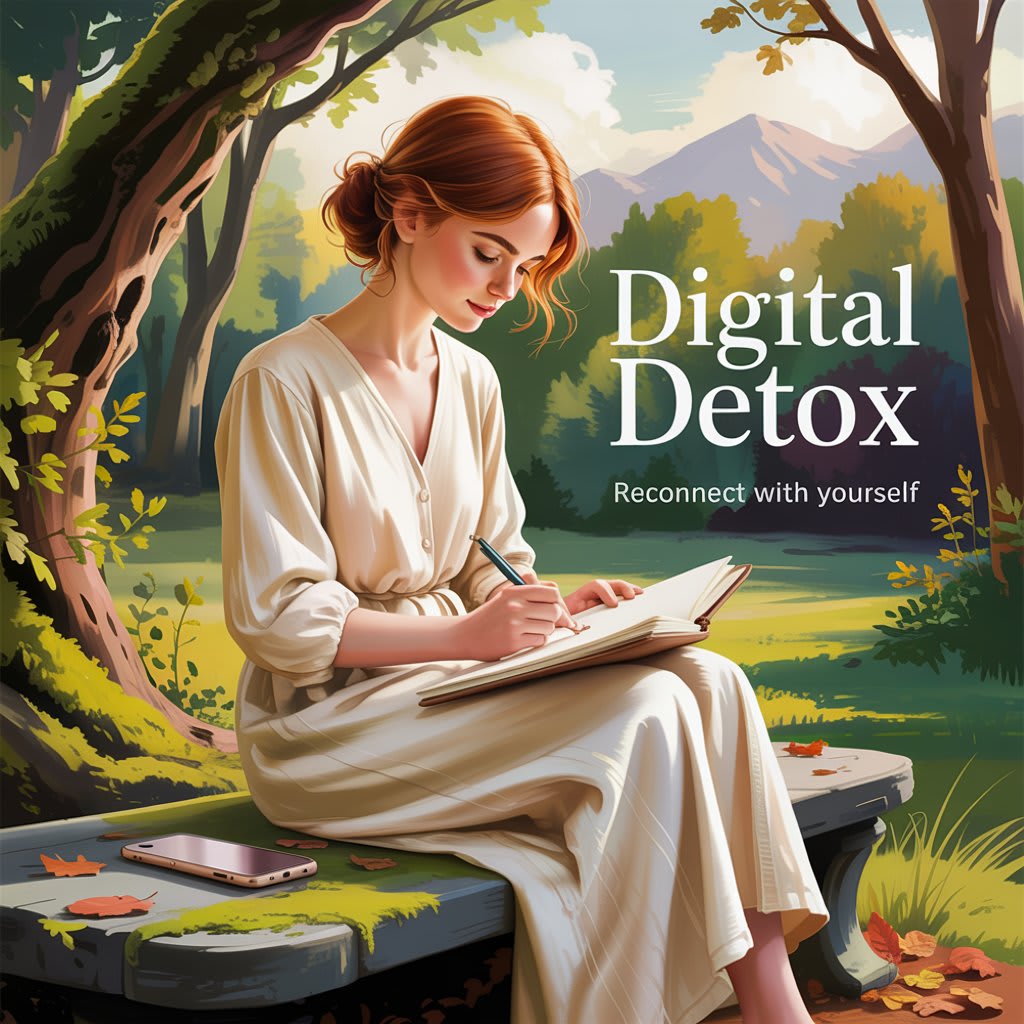
Introduction
Do you reach for your phone first thing in the morning? Feel anxious when your battery runs low? Or scroll endlessly through social media only to feel more drained? You're not alone. In our hyper-connected world, we’re constantly bombarded by notifications, messages, and digital noise. But what if the key to happiness, focus, and inner peace lies in disconnecting? That’s where a digital detox comes in.
A digital detox isn’t about hating technology—it’s about creating a healthier relationship with it. In this article, we’ll explore the benefits of unplugging, real-life examples of successful detoxes, and simple, actionable steps to reclaim your time, energy, and joy.
What Is a Digital Detox?
A digital detox is a period of time during which a person refrains from using digital devices such as smartphones, computers, and social media platforms. The goal? To reduce stress, improve mental clarity, and reconnect with the physical world.
The average person spends over 7 hours per day on screens. That’s nearly half our waking lives! While technology offers convenience and connectivity, it also contributes to anxiety, sleep disturbances, reduced attention span, and even depression. A digital detox allows your brain to rest, reset, and refocus.
Why You Need a Digital Detox
Mental Clarity and Focus
Constant notifications fragment our attention. Studies show that multitasking lowers IQ and productivity. Disconnecting, even briefly, helps the brain regain its ability to concentrate.
Improved Sleep Quality
Blue light from screens disrupts melatonin production, making it harder to fall asleep. Detoxing before bedtime helps restore natural sleep cycles.
Reduced Anxiety and Stress
The pressure to respond instantly, maintain an online image, or keep up with the news can heighten anxiety. Taking breaks can significantly lower cortisol levels.
Deeper Real-Life Connections
When screens are off, we’re more present. Conversations become more meaningful, and relationships grow stronger.

Increased Productivity
Less screen time means fewer distractions, leading to more focus and output in work or creative pursuits.
Real-Life Success Stories
Sarah’s Weekend DisconnectA marketing manager from New York, Sarah began unplugging every weekend. No emails, no social media. At first, it felt strange. But soon, she noticed she felt more relaxed, slept better, and enjoyed deeper conversations with her family. “I got my weekends back,” she says. “Now they feel like mine, not my inbox’s.”
Daniel’s 30-Day ChallengeDaniel, a university student, challenged himself to reduce social media to 10 minutes per day for 30 days. He replaced scrolling with journaling, walking, and reading. “My anxiety dropped, I focused better in class, and I even wrote a short story,” he shared.
These aren’t isolated stories. People all over the world are realizing the power of digital detoxing and reporting positive transformations.
How to Start Your Digital Detox
You don’t need to throw your phone away or move to the mountains. A successful digital detox can be flexible and tailored to your lifestyle. Here’s how to begin:
Start SmallBegin with a few hours each day or a screen-free evening per week.
Create Phone-Free ZonesKeep devices out of the bedroom, dining area, or during family time.
Turn Off Non-Essential NotificationsDisable alerts that don’t serve a purpose. You’ll be amazed at how much calmer you feel.
Set App Time LimitsUse built-in screen time trackers to restrict time on distracting apps.
Replace, Don’t RemoveInstead of just cutting screen time, replace it with fulfilling activities: nature walks, reading, art, cooking, or journaling.
Try a Weekend DetoxChoose one day (or even a few hours) during the weekend to go screen-free. Make it a ritual—light a candle, play music, enjoy the silence.
Communicate Your BoundariesLet friends and colleagues know you’ll be offline at certain times. This sets healthy expectations.
Bonus: What You Might Discover
Many people report that during a digital detox, they:
Sleep better and wake up refreshed
Feel more creative and motivated
Strengthen relationships
Notice beauty in everyday moments
Regain a sense of time and control
In a world where attention is currency, reclaiming yours is a radical act of self-care.
Maintaining Balance After the Detox
The goal of a digital detox isn’t to quit technology—it’s to use it more intentionally. After your detox, consider:
Scheduling screen time rather than defaulting to it
Using tech tools like focus timers or do-not-disturb modes
Taking monthly detox weekends
Practicing mindful scrolling—pause and ask, “Why am I opening this app?”
When you take control of your digital habits, you take control of your life.
Conclusion: Unplug to Reconnect
Technology is a powerful tool—but only if we’re the ones holding the reins. A digital detox doesn’t have to be extreme. It can be simple, intentional, and life-changing. Whether you unplug for an hour, a day, or a week, you’re making space to reconnect—with yourself, your loved ones, and the present moment.
So, are you ready to unplug and rediscover what it means to truly live?
About the Creator
Mian Nazir Shah
Storyteller fueling smiles and action with humor, heart, and fresh insights—exploring life’s quirks, AI wonders, and eco-awakenings in bite-size inspiration.
Keep reading
More stories from Mian Nazir Shah and writers in Motivation and other communities.
"The Day I Stopped Running: A Story of Fear, Courage, and Finding Myself"
Introduction There comes a moment in every life when the noise becomes too loud to ignore, the weight too heavy to carry, and the mirror too honest to escape. For me, that moment arrived on a rainy Tuesday morning—the day I stopped running. This isn’t just a story about fear. It’s about transformation. About finding courage in stillness. And ultimately, about reclaiming the parts of myself I had buried under years of avoidance.
By Mian Nazir Shah8 months ago in Motivation
Influential Women Magazine: Where Power, Purpose, and Legacy Align
In a world where visibility is often mistaken for influence, Influential Women Magazine stands apart. It is more than a publication - it is a purpose-driven platform that celebrates women whose leadership is rooted in substance, values, and long-term impact. Rather than focusing on fleeting trends or surface-level recognition, the magazine amplifies stories that matter stories of women shaping industries, communities, and future generations through intentional leadership.
By influentialwomenmagazine2 days ago in Motivation


Comments (1)
good