
Brewing dreams: the story of Sara's Cafe'
From a street cart to a symbol of hope and local empowerment

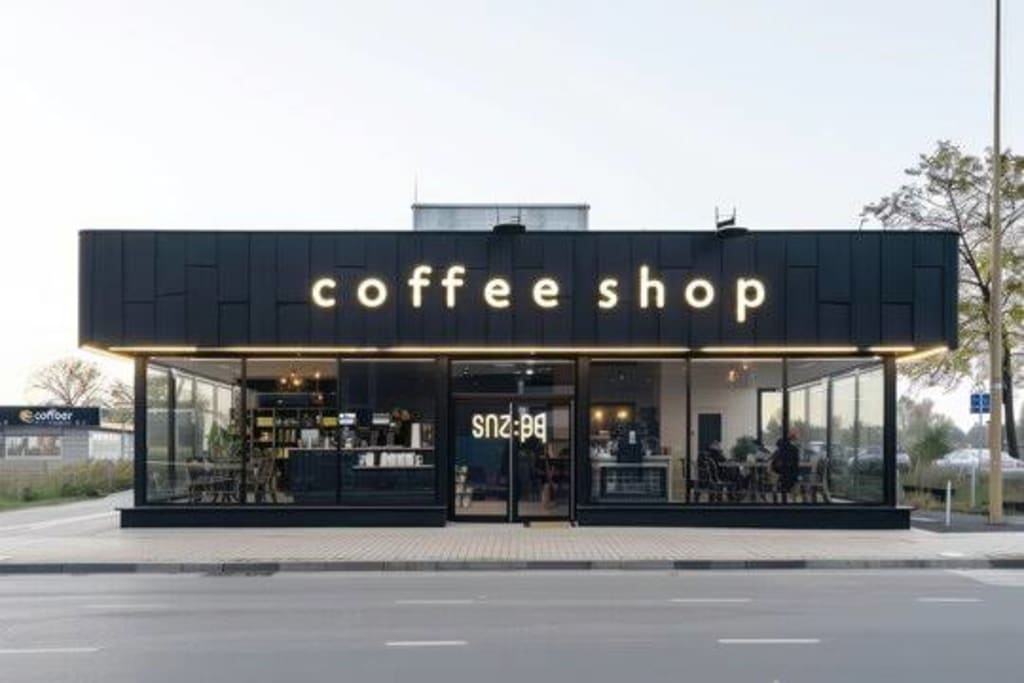
When Sara Khan stood beside her tiny yellow coffee cart on a cold winter morning in Lahore, she was shivering not just from the wind — but from uncertainty. She had just taken the biggest risk of her life. While her classmates accepted office jobs with good salaries and air-conditioned rooms, she had taken her graduation money, borrowed an old espresso machine from a cousin in Dubai, and started a coffee business on the sidewalk.
She wasn’t from a business family. Her father was a retired teacher and her mother ran a small home-based sewing service. Sara had learned about hard work, honesty, and resilience from watching her parents stretch every rupee, never complain, and still offer chai to every guest.
She believed she could do more than just earn a living — she wanted to create something meaningful.
But business was slow.
For the first month, she barely sold ten cups a day. People were skeptical. Some mocked her prices, others questioned her decision. One man even said, “Aurat se business nahi hota, beta.” But Sara smiled, thanked him for the advice, and served him a cup anyway.
Each night she went home tired, sometimes defeated, but never willing to give up.
Then came the turning point — a food blogger named Omar Aziz stumbled upon her cart one late evening. He was in a rush but curious. He took a sip of her signature hazelnut mocha and stopped mid-sentence. “This is... amazing,” he said. He snapped a photo, asked a few questions, and left.
Two days later, Sara woke up to a buzz of notifications. Omar had posted her photo on Instagram with the caption:
“Best coffee I’ve tasted in Lahore — and it’s from a one-woman street cart run by a fearless dreamer. Support local. Support passion.”
By 9 a.m., there was a line.
Students from the nearby college, office workers, and even a couple of local celebrities stopped by. Word spread like fire. People came not just for the coffee but for the story. Everyone loves a good underdog — especially one that serves killer cappuccinos.
Within three months, Sara’s Café became a viral name. Customers brought their friends. Some stayed to chat. Others posted photos with her. Her cart was no longer a cart — it was a movement.
---
Chapter 2: Brewing Bigger Dreams
With her savings, Sara rented a tiny shop just two streets away. The location wasn’t glamorous, but it had a roof, space for four tables, and most importantly — a future.
Her mother helped in the kitchen, learning to bake banana bread and cinnamon rolls. Her younger brother, Sameer, managed orders and learned how to make latte art from YouTube. The community pitched in — a customer donated old furniture, another painted a mural on her wall that read:
“Strong women. Strong coffee. Stronger dreams.”
It became her slogan.
She introduced loyalty cards, added herbal teas and desi options like cardamom chai and saffron milk. Soon, Sara’s Café wasn’t just a coffee place — it was a home for conversations, ideas, poetry nights, and warm hugs. Bookworms found comfort. Struggling writers wrote their first pages. Students prepped for exams sipping on steaming mugs of motivation.
---
Chapter 3: Storms and Stand Tall
Just as things were smooth, a big international franchise opened across the road. It had neon lights, touch screens, and heavy discounts. Her customer count dropped. Some people even asked if she would shut down.
For the first time, Sara felt anxious.
But she didn’t fight them — she leaned into what made her different. She posted a heartfelt video on social media:
> “I’m not here to compete. I’m here to connect. If you love local, love honesty, and want your coffee with a story — I’ll be here, brewing with love. Always.”
The video went viral. Hashtags like #BrewWithSara and #SupportLocal trended on Pakistani Twitter. Influencers visited, praising her courage. Celebrities posted selfies from her shop. Her sales not only recovered — they doubled.
---
Chapter 4: Beyond Coffee
Success didn’t change Sara — it changed her mission.
She began hiring women who had never worked before. Some were single mothers, others were survivors of abuse. Sara trained them in customer service, gave them flexible hours, and fair wages.
In 2023, she launched the “Barista Sisterhood Program” — free training for girls from rural areas to learn coffee-making and entrepreneurship. She partnered with NGOs to give scholarships, started a podcast about women in business, and even mentored students at her old university.
She was invited to give a TEDx talk, titled:
“Start Small. Dream Loud.”
Her talk was raw, real, and emotional. She shared her struggles, her mistakes, and her triumphs. When she ended by saying,
> “You don’t need permission to start — you just need courage to continue,”
the hall erupted in applause.
---
Chapter 5: A Legacy in the Making
Today, Sara’s Café has expanded to five branches across Lahore and Islamabad. Each one carries the warmth of the original cart — hand-painted signs, book corners, poetry boards, and staff who smile like they know your story.
She still visits her first cart, preserved like a monument in her flagship branch. She touches it, closes her eyes, and remembers the shivering girl who poured her heart into every cup.
She is now recognized as one of the top 30 under 30 entrepreneurs in Pakistan. But when asked about her biggest success, she says:
> “It’s not the awards. It’s the young girl from Bahawalpur who wrote to me, saying she started her own tea cart after watching my video.”
Moral of the Story:
Sara’s journey is a real-life reminder that businesses built on purpose last longer than those built just for profit. Whether you start with a cart or a corner desk, when you mix passion with people, your dreams rise — like steam from a fresh cup of coffee.
About the Creator
Keep reading
More stories from Shehzad khan and writers in Motivation and other communities.
The photograph that saved her life
The train roared past, its steel wheels screeching against the tracks, drowning out the sounds of the bustling platform. Amidst the crowd stood a girl—thin, pale, almost invisible. Her name was Alina, a 19-year-old who looked more like a shadow than a person. She clutched a tattered schoolbag to her chest and stared blankly at the yellow line just inches from the edge.
By Shehzad khan9 months ago in Humans



Comments
There are no comments for this story
Be the first to respond and start the conversation.