
Billie Eilish: The Untold Journey of a Modern Icon
A motivational story

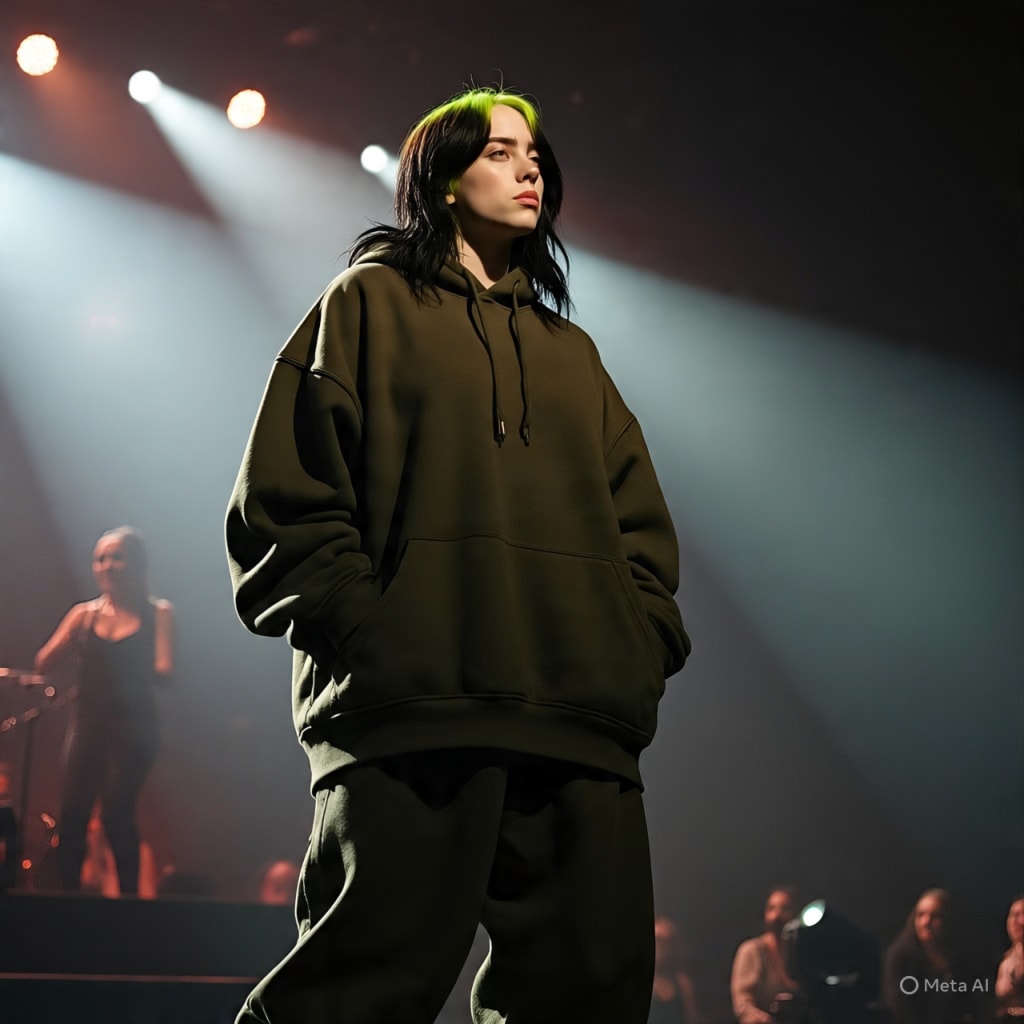
Billie Eilish Pirate Baird O’Connell is not just a name—it is a phenomenon that has shaped a generation. Known for her haunting vocals, genre-defying music, and bold individuality, Billie’s story is far more than awards, fame, and global stardom. It is a story of resilience, vulnerability, creativity, and staying true to herself in an industry that often demands conformity.
This is the journey of a young girl who turned whispered songs in her bedroom into global anthems.
Early Life and Family Roots
Billie Eilish was born on December 18, 2001, in Los Angeles, California. From the very beginning, her life was surrounded by creativity. Her parents, Maggie Baird (an actress, screenwriter, and teacher) and Patrick O’Connell (an actor and musician), created a home where art and music flowed naturally. Unlike many children who grew up with strict schooling routines, Billie and her older brother Finneas O’Connell were homeschooled.
This decision gave both siblings the freedom to explore their passions without the restrictions of a traditional classroom. Music wasn’t just something they listened to—it was something they lived. Maggie and Patrick encouraged creativity, teaching them how to write songs, play instruments, and express emotions through art.
Billie’s name itself hinted at her uniqueness: “Pirate” was added because her older brother Finneas, just a toddler at the time, wanted his baby sister to be called that. It symbolized the playful yet fearless energy that would define her personality later in life.
Childhood Challenges
Though Billie grew up in a loving environment, her journey wasn’t free of struggles. At the age of 11, she was diagnosed with Tourette Syndrome, a neurological disorder that causes involuntary tics. Billie later admitted that living with this condition was difficult, especially when she was misunderstood by others. But instead of letting it hold her back, she accepted it as part of who she was.
She also dealt with depression and anxiety at a very young age, something that shaped both her personality and her music. While many teens struggled silently, Billie poured her feelings into her lyrics, making her songs deeply relatable to listeners across the globe.
The Spark of Music
Billie’s first love was dance. She trained in contemporary dance and saw it as her future. However, an injury to her growth plate during her teenage years forced her to stop dancing. For Billie, this was heartbreaking—but it also redirected her energy entirely toward music.
By then, Finneas was already experimenting with songwriting and production. In 2015, when Billie was just 13 years old, Finneas played her a song he had written called “Ocean Eyes.” Originally meant for his band, Billie recorded it instead and uploaded it to SoundCloud so that her dance teacher could choreograph a routine to it.
They never expected what happened next.
Ocean Eyes and Overnight Recognition
Within a matter of days, “Ocean Eyes” went viral. Bloggers, music critics, and fans around the world were captivated by Billie’s soft, whispery voice paired with the emotional depth of the song. It spread across platforms, gaining millions of plays and quickly attracting attention from major record labels.
Billie signed with Darkroom and Interscope Records and released “Ocean Eyes” officially in 2016. This single became her entry ticket into the music world and changed her life forever.
But what made Billie stand out wasn’t just her voice—it was her authenticity. She wasn’t trying to look or sound like anyone else. At just 14, she wore baggy clothes, wrote dark and emotional lyrics, and spoke openly about struggles most teens hid. For many listeners, she felt like a friend who understood them.
Don’t Smile at Me: The First Breakthrough
In 2017, Billie released her debut EP “Don’t Smile at Me.” With tracks like “idontwannabeyouanymore” and “Bellyache,” the EP established her as a rising star. Critics praised her unique style: a blend of electropop, trap, and indie influences, all tied together by her distinctive voice.
The EP charted in several countries and made Billie a recognizable name. But more than commercial success, it connected deeply with young fans who resonated with her themes of heartbreak, loneliness, and identity struggles.
Billie’s decision to wear oversized, gender-neutral clothing also became a statement. She refused to be sexualized or reduced to her appearance. Instead, she wanted people to focus on her music and personality. This authenticity made her a role model for millions who often felt pressured to conform.
The Rise to Global Stardom
By 2018, Billie was no longer just a teenage singer—she was becoming a global star. Her collaboration with Khalid on “Lovely” pushed her even further into the spotlight. The haunting ballad became an anthem for those battling depression and loneliness, and it was later featured in the popular Netflix show 13 Reasons Why.
Her performances, too, were unlike anything the industry had seen. With dimly lit stages, experimental visuals, and her signature whisper-singing style, Billie created an atmosphere that felt intimate yet powerful.
When We All Fall Asleep, Where Do We Go?
The real turning point came in 2019 with the release of her debut studio album, “When We All Fall Asleep, Where Do We Go?” This album was not just music—it was an experience. With songs like “bury a friend,” “when the party’s over,” and the global smash hit “bad guy,” Billie pushed boundaries of genre and storytelling.
The album debuted at number one on the Billboard 200 and made Billie the youngest female artist ever to top the chart. It also won her a record-breaking five Grammy Awards in 2020, including Album of the Year, Record of the Year, Song of the Year, Best New Artist, and Best Pop Vocal Album.
At just 18 years old, Billie Eilish had become a global icon.
Fame and Mental Health
Despite her success, Billie often spoke about the downsides of fame. The constant scrutiny, pressure, and judgment weighed heavily on her. She admitted to struggling with body image, depression, and the overwhelming responsibility of being a role model.
Yet, what made her stand out was her honesty. She used interviews, documentaries, and even social media to share her vulnerabilities. By doing so, she gave her fans the courage to face their own struggles.
A Style Beyond Music
Billie’s influence extended beyond music. Her fashion choices—oversized clothes, neon hair colors, bold jewelry—became a cultural phenomenon. Luxury brands like Gucci and Louis Vuitton collaborated with her, but Billie remained consistent in her message: she would not let the industry dictate who she should be.
Her style wasn’t just about fashion—it was a rebellion against objectification and an embrace of individuality.
The Bond with Finneas
A crucial part of Billie’s success is her bond with her brother, Finneas. The siblings share a unique musical chemistry, often writing and producing songs in their home studio. Finneas understands Billie’s emotions and voice like no one else, and together, they’ve crafted some of the most original music of this generation.
Billie herself has often said that without Finneas, her career wouldn’t exist. Their collaboration is proof that sometimes, family is the strongest foundation for success.
Billie Eilish: A Journey of Shadows and Light (Part 2)
Billie Eilish’s rise to global stardom was not only about chart-topping songs and breaking records; it was also a journey of resilience, family strength, and learning to balance fame with personal identity. After “Ocean Eyes” changed her life, she entered a whirlwind that would test her mental health, her relationships, and her ability to stay true to herself in an industry that often demands conformity.
The Pressure of Overnight Fame
By 2017, Billie was a household name in indie pop circles. When her debut EP, Don’t Smile at Me, dropped, it went viral on streaming platforms. Songs like Idontwannabeyouanymore and Bellyache revealed a teenage artist who wrote with honesty about loneliness, insecurity, and inner battles. Unlike most pop stars her age, she wasn’t singing about parties or glamour—she was baring her soul.
But fame came fast, and so did pressure. Billie was only 15, suddenly performing on stages around the world, facing media interviews, and receiving millions of comments online. Some adored her style, others criticized everything from her oversized clothes to her unique sound. She admitted in interviews that she struggled with the intensity of being watched all the time.
The world wanted more Billie—but she was still figuring out who she was.
Collaboration with Finneas: A Family Bond
One of the constants in Billie’s story was her brother Finneas. Unlike many young artists who fall under industry control, Billie’s music remained a family creation. In their small bedroom studio at home, Billie and Finneas wrote, recorded, and produced songs that would later break global charts.
Finneas understood Billie’s emotions in a way few others could. He tailored lyrics and melodies to her voice, while she brought raw emotion and honesty to every track. The two were inseparable partners. Billie often said that without Finneas, her music wouldn’t exist.
This family-driven approach set her apart. While many labels pushed new artists into factory-made pop, Billie kept her sound authentic and deeply personal.
Breaking Records with When We All Fall Asleep, Where Do We Go?
In 2019, Billie released her debut studio album, When We All Fall Asleep, Where Do We Go?. It was unlike anything the pop world had heard in years. Dark, moody, playful, and vulnerable, the album blurred lines between genres—mixing whispery vocals with heavy bass, eerie soundscapes, and intimate lyrics.
Songs like Bad Guy became cultural phenomena, topping charts worldwide. Billie was just 17, and suddenly she was not only popular—she was leading a global music revolution.
At the 2020 Grammy Awards, Billie swept the “Big Four” categories—Album of the Year, Record of the Year, Song of the Year, and Best New Artist—making her the youngest artist ever to achieve that milestone. The world was in awe, but Billie felt overwhelmed. Success had come at lightning speed, and behind her confident stage presence, she was still a teenager grappling with anxiety and depression.
Struggles Behind the Fame
Fame amplified Billie’s inner struggles. She opened up about body image issues, depression, and even self-harm in her early years. For Billie, wearing baggy clothes wasn’t just a fashion statement—it was a shield. She didn’t want people to judge her body, and she didn’t want to feel exposed.
The more famous she became, the louder the scrutiny grew. Tabloids analyzed her outfits, strangers commented on her body, and rumors spread about her personal life. For a young woman who valued privacy, this was painful.
But Billie chose honesty. Instead of pretending everything was perfect, she spoke openly about her mental health in interviews and through her music. Songs like Everything I Wanted and Xanny captured the loneliness, confusion, and sadness that came with fame. Fans connected deeply because Billie was saying what many felt but couldn’t express.
A Bond with Fans
One of Billie’s greatest strengths was the way she connected with fans. Unlike many celebrities, she made her listeners feel seen and understood. Concerts weren’t just performances—they were emotional gatherings where people felt safe to be themselves.
Billie often spoke about the letters she received from fans who said her music helped them through dark times. Knowing she could make people feel less alone gave her strength to keep going, even when she herself struggled.
Happier Than Ever: A New Era
In 2021, Billie released her second album, Happier Than Ever. It was more mature, introspective, and raw than her first. The title track became one of her most powerful songs—a slow build into a scream of frustration about toxic relationships and lost innocence.
The album revealed a Billie who was growing up in public. She was no longer the mysterious teenager hiding in oversized clothes. She was stepping into adulthood, confronting heartbreak, fame, and personal identity. Still, she did it on her own terms—refusing to let the industry dictate who she should be.
Activism and Speaking Out
As Billie grew, she used her voice not only for music but also for activism. She became a strong advocate for mental health awareness, encouraging people to seek help and talk about their struggles. She also promoted environmental awareness, urging fans and industries to reduce waste and fight climate change.
Her honesty about her vegan lifestyle, her struggles with fame, and her journey toward self-acceptance made her a role model—not because she was flawless, but because she was real.
The Ongoing Journey
By her early 20s, Billie Eilish had already achieved what most artists only dream of. Yet she remained humble, grounded by her family, and deeply aware of the responsibility that came with her platform.
Billie’s story is not one of overnight perfection but of resilience—learning to carry the weight of fame while staying true to herself. She showed that even in the harsh spotlight of the music industry, it’s possible to hold onto authenticity, vulnerability, and honesty.
Legacy in the Making
Billie Eilish’s journey is still unfolding. From a homeschooled child writing songs in her brother’s bedroom to a global superstar redefining pop music, her life is proof that success is not about fitting in—it’s about daring to be different.
Her music continues to inspire millions. Her story continues to remind us that fame does not erase pain, but honesty can transform it into art. And as she grows, so too does the world’s admiration for the girl who dared to whisper instead of shout, who turned her shadows into light, and who became the voice of a generation.
Final Reflection
Billie Eilish’s story is far from over. What makes it extraordinary is not just the records she has broken but the truth she has shared. She reminds us that vulnerability is strength, authenticity is power, and that even in the darkest times, music can be a lifeline.
From “Ocean Eyes” to global stages, Billie’s journey is a testament to the power of family, resilience, and daring to be yourself—even when the world is watching.
About the Creator
Frank Massey
Tech, AI, and social media writer with a passion for storytelling. I turn complex trends into engaging, relatable content. Exploring the future, one story at a time
Reader insights
Nice work
Very well written. Keep up the good work!
Top insights
Easy to read and follow
Well-structured & engaging content
Heartfelt and relatable
The story invoked strong personal emotions
Masterful proofreading
Zero grammar & spelling mistakes
Keep reading
More stories from Frank Massey and writers in Motivation and other communities.
Taylor Swift: The Journey of a Fearless Dreamer
When you hear the name Taylor Swift, you don’t just think of a pop star—you think of resilience, reinvention, and a young woman who turned her words into weapons of hope. She isn’t just a singer or songwriter; she is a storyteller who built an empire with a guitar, a pen, and an unshakable belief in herself. Her life story is not only about fame and fortune, but about courage, pain, and the relentless pursuit of dreams.
By Frank Massey 5 months ago in Motivation



Comments (1)
I'm nearly 58 and I listen to Miss Eilish often. She and her brother Finnias remind me a lot of the Carpenters. There are a lot of parallels between them. Billie has the same vocal range as Karen. I would love for Billie and Finnias to do a tribute album to the Carpenters and remake their biggest hits to fit Billie’s style. I think it would be a landmark album for them.