
Between the Floors
Where you’re born may set your floor—but how you live decides your height
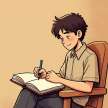

The building where I grew up had no elevator, but everyone still talked about floors as if they meant destiny.
Upper floors were success.
Lower floors were survival.
We lived on the ground floor, where sunlight arrived tired and cautious, slipping through dusty windows like it wasn’t sure we deserved it. My mother used to say, “At least we don’t have to climb stairs when we’re exhausted.” She said it smiling, but her eyes always drifted upward, counting invisible steps.
Every morning, I watched people leave the building dressed for different lives. The man from the fourth floor wore pressed suits and smelled like confidence. The woman from the third floor carried a laptop and spoke on the phone as if time owed her something. From the fifth floor, a boy my age left with headphones and dreams louder than our cracked walls.
And then there was us.
My father left early too, but his shoes were worn thin, his back already bent before sunrise. He worked wherever hands were needed and names were forgotten. When he came home, his silence was heavier than his body. At night, I heard him breathing like someone climbing stairs in his sleep.
As a child, I believed life was a staircase. If you worked hard enough, you went up. If you were lazy or unlucky, you stayed below. It sounded fair. Simple. Clean.
Reality was not.
When my father fell ill, the staircase collapsed. Bills stacked higher than hope. My mother learned the art of stretching food and shrinking dreams. I learned how shame feels—quiet, constant, and sharp. It followed me to school, sat beside me during exams, laughed when teachers talked about “bright futures.”
One winter evening, the electricity went out. Candles flickered against peeling walls, and for the first time, the dark didn’t scare me. It felt honest. My father sat by the window, coughing softly, staring at the building across the street—taller, brighter, unreachable.
“I wanted more for you,” he said, barely audible.
That sentence stayed with me longer than he did.
After he passed, life didn’t pause out of respect. It kept moving, cruelly efficient. I took small jobs after school, then bigger ones instead of college. Dreams became luxuries we couldn’t afford. I told myself it was temporary, but temporary has a way of becoming permanent when you stop arguing with it.
Years later, I was invited to a party—one of those high-rise apartments with glass walls and city lights that looked like stars brought down to earth. I wore borrowed confidence and cheap shoes polished to lie. The people there talked about investments, vacations, and childhood homes with gardens. They asked what I did.
I said, “I’m still figuring it out.”
They nodded politely, the way people do when they’ve already figured it out long ago.
I stood by the window, looking down at the city. From that height, everything looked small. Streets, cars, even people. For a moment, I felt powerful—like I had finally made it upstairs. But then I realized something terrifying.
From the top, you stop seeing faces.
That night, I left early and walked home instead of taking a cab. Step by step, the city changed. Lights dimmed. Voices grew louder. The air smelled like food stalls and tired bodies. When I reached my old building, I stood in front of it for a long time.
It looked smaller than I remembered.
Inside, a new family lived on the ground floor. The door was open. A child sat on the floor doing homework under a flickering bulb. His mother stirred a pot, humming softly. The scene felt painfully familiar.
The child looked up and smiled at me.
In that moment, I understood something no staircase ever taught me.
Life isn’t divided into upper and lower floors. It’s divided into those who forget where they came from and those who carry it with them. Some people rise and lose their roots. Others stay low but keep their humanity intact. And a few—very few—learn to climb without stepping on anyone else.
Success isn’t altitude.
It’s awareness.
I still don’t live on the top floor. Maybe I never will. But I’ve learned how to build windows where there were walls, light where there was shame, and dignity where there was nothing.
And sometimes, when I climb stairs now, I don’t count them.
I just breathe—and keep going.
About the Creator
Jhon smith
Welcome to my little corner of the internet, where words come alive
Keep reading
More stories from Jhon smith and writers in Motivation and other communities.
Victory Felt Empty
There’s a strange kind of silence that comes after victory. It’s not the kind of stillness that’s peaceful, but the kind that feels like something is missing, as though the echo of triumph never fully settles in the chest. I didn’t know what I expected when I achieved what I set out to do — but it wasn’t this.
By Jhon smith23 days ago in Motivation
Examples of Integrity in the Workplace That Earn Long Term Respect
Integrity isn't a buzzword. It is a daily activity that influences culture, trust, and reputation. In the modern workplace, integrity describes how people behave when no one is looking and how they make decisions under pressure. Integrity, according to the Bloom Boldly platform, is the unsung force behind successful careers and businesses.
By Bloom Boldlyabout 24 hours ago in Motivation




Comments
There are no comments for this story
Be the first to respond and start the conversation.