
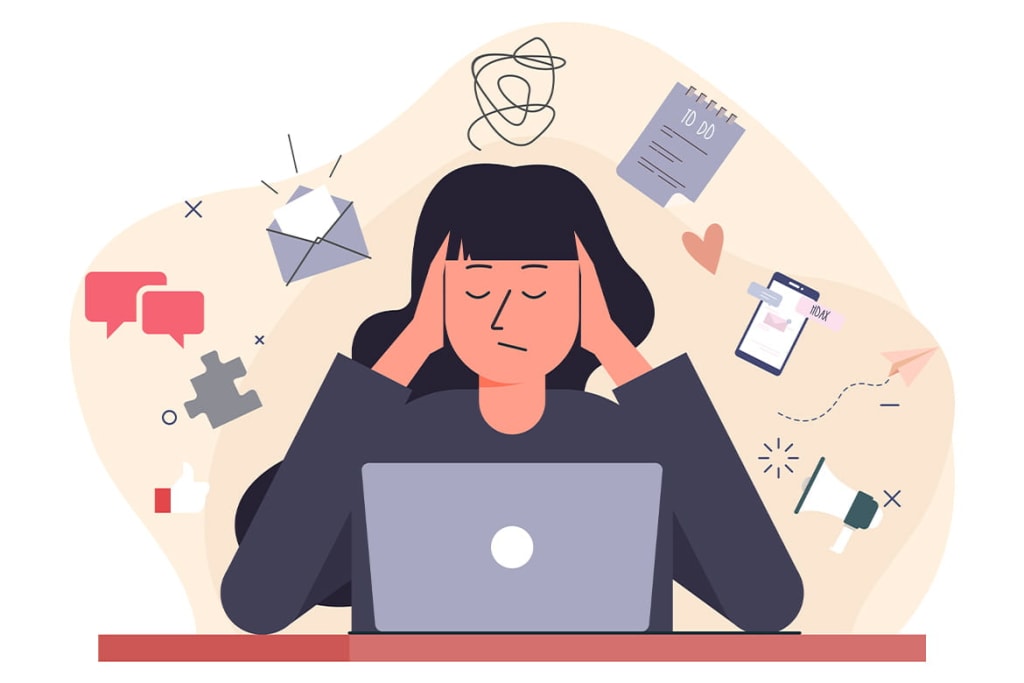
Anxiety is a common and natural response to stressful or challenging situations. It is a feeling of unease or fear that can range from mild to severe and can impact a person's physical, emotional, and psychological well-being. While anxiety is a normal part of life, when it becomes excessive and interferes with daily functioning, it can be considered a disorder. In this article, we will explore the causes, symptoms, and treatments for anxiety.
Causes of Anxiety:
Anxiety can be caused by various factors such as genetics, brain chemistry, and life experiences. Some people may have a genetic predisposition to anxiety, while others may develop it due to imbalances in brain chemicals such as serotonin and dopamine. Life experiences such as trauma, stress, or significant life changes like moving or starting a new job can also trigger anxiety.
Symptoms of Anxiety:
Anxiety can manifest in various ways, and symptoms can vary from person to person. Some common physical symptoms of anxiety include rapid heartbeat, sweating, muscle tension, restlessness, and difficulty sleeping. Emotional symptoms can include feelings of dread, panic, or worry, and psychological symptoms may include racing thoughts, difficulty concentrating, and irritability.
Types of Anxiety Disorders:
There are several types of anxiety disorders, including generalized anxiety disorder, social anxiety disorder, panic disorder, and phobias. Generalized anxiety disorder involves excessive and persistent worrying about everyday events and situations. Social anxiety disorder involves an intense fear of social situations, while panic disorder involves sudden and intense panic attacks. Phobias are intense and irrational fears of specific objects, situations, or activities.
Treatment for Anxiety:
There are several treatment options for anxiety, including medication, therapy, and self-help techniques. Medications such as antidepressants and anti-anxiety drugs can help reduce symptoms of anxiety. Therapy, such as cognitive-behavioral therapy, can help individuals identify and challenge negative thought patterns and behaviors. Self-help techniques such as relaxation exercises, mindfulness, and exercise can also be effective in managing symptoms of anxiety.
Anxiety is a common mental health issue that affects millions of people around the world. It is a feeling of worry, fear, or apprehension about the future, and can manifest in physical symptoms such as sweating, shaking, and rapid heartbeat. While anxiety can be a normal and healthy response to certain situations, chronic anxiety can interfere with daily life and cause significant distress. Fortunately, there are several strategies that can be used to overcome anxiety and improve mental well-being.
Identify Triggers and Coping Mechanisms
The first step in overcoming anxiety is to identify what triggers it. This may involve keeping a journal of when and where anxiety occurs, as well as any thoughts or feelings associated with it. Once triggers have been identified, individuals can develop coping mechanisms to manage anxiety when it arises. These may include relaxation techniques such as deep breathing or progressive muscle relaxation, distraction techniques such as listening to music or engaging in a favorite hobby, or seeking support from friends or family members.
Practice Mindfulness
Mindfulness involves paying attention to the present moment without judgment. It can help individuals to become more aware of their thoughts and feelings, and to develop a greater sense of control over them. Mindfulness can be practiced through meditation, yoga, or simply by taking a few minutes each day to focus on breathing and relaxation.
Get Enough Sleep
Getting enough sleep is essential for good mental health. Lack of sleep can increase anxiety and make it more difficult to manage stress. To ensure a good night's sleep, it is important to establish a regular sleep routine and to avoid caffeine, alcohol, and electronics before bedtime.
Exercise Regularly
Regular exercise has been shown to reduce anxiety and improve mood. Exercise releases endorphins, which are natural chemicals that promote feelings of happiness and well-being. Even light exercise such as walking or stretching can be beneficial for reducing anxiety.
Seek Professional Help
If anxiety is interfering with daily life or causing significant distress, it may be necessary to seek professional help. A mental health professional can provide support and guidance on managing anxiety, and may recommend therapy, medication, or other treatments as needed. It is important to remember that seeking help for mental health issues is a sign of strength, not weakness.
In conclusion, anxiety can be a debilitating condition, but it is also highly treatable. By identifying triggers, developing coping mechanisms, practicing mindfulness, getting enough sleep, exercising regularly, and seeking professional help when needed, individuals can overcome anxiety and improve their overall well-being. With persistence and dedication, it is possible to live a fulfilling life free from the burden of anxiety
About the Creator
Keep reading
More stories from Dinesh and writers in Motivation and other communities.
Self Motivation
Self-motivation is an essential aspect of achieving success in both personal and professional life. It is the ability to keep oneself driven, focused, and engaged, even when external factors are not present to provide support or encouragement. Self-motivated individuals are those who are internally motivated and derive satisfaction and fulfillment from their accomplishments, rather than seeking validation from others.
By Dinesh3 years ago in Motivation
Nobody Abandoned Me — I Just Quietly Left
Nobody abandoned me. I just quietly left. That is the version of the story that sounds simplest, almost harmless, when said out loud. It avoids blame. It avoids drama. It avoids the uncomfortable task of explaining how a person can be surrounded by others and still feel completely unseen. But simplicity does not mean the truth is small. Sometimes it just means the truth learned how to stay quiet.
By Komsan Goodstories6 days ago in Motivation
🅼🅸🅳🅽🅸🅶🅷🆃 🆂🅽🅰🅲🅺🆂
"It's 10 in Tuscon! We all know what that means... It's Time for Midnight Snacks with your man, Gerald Gee! Ready to spend the night together? Me too! I'm full of snacks and can't wait to regurgitate them all back into your hungry ears. Crack a brew! Pop some corn! Anything to get ready for one hell of a show where the talk maybe cheap but the words cut deep...
By Lamar Wiggins2 days ago in Fiction


Comments
There are no comments for this story
Be the first to respond and start the conversation.