
Anne Hathaway: From Rejection to Redemption – The Journey of Hollywood’s Resilient Star
Anne Hathaway

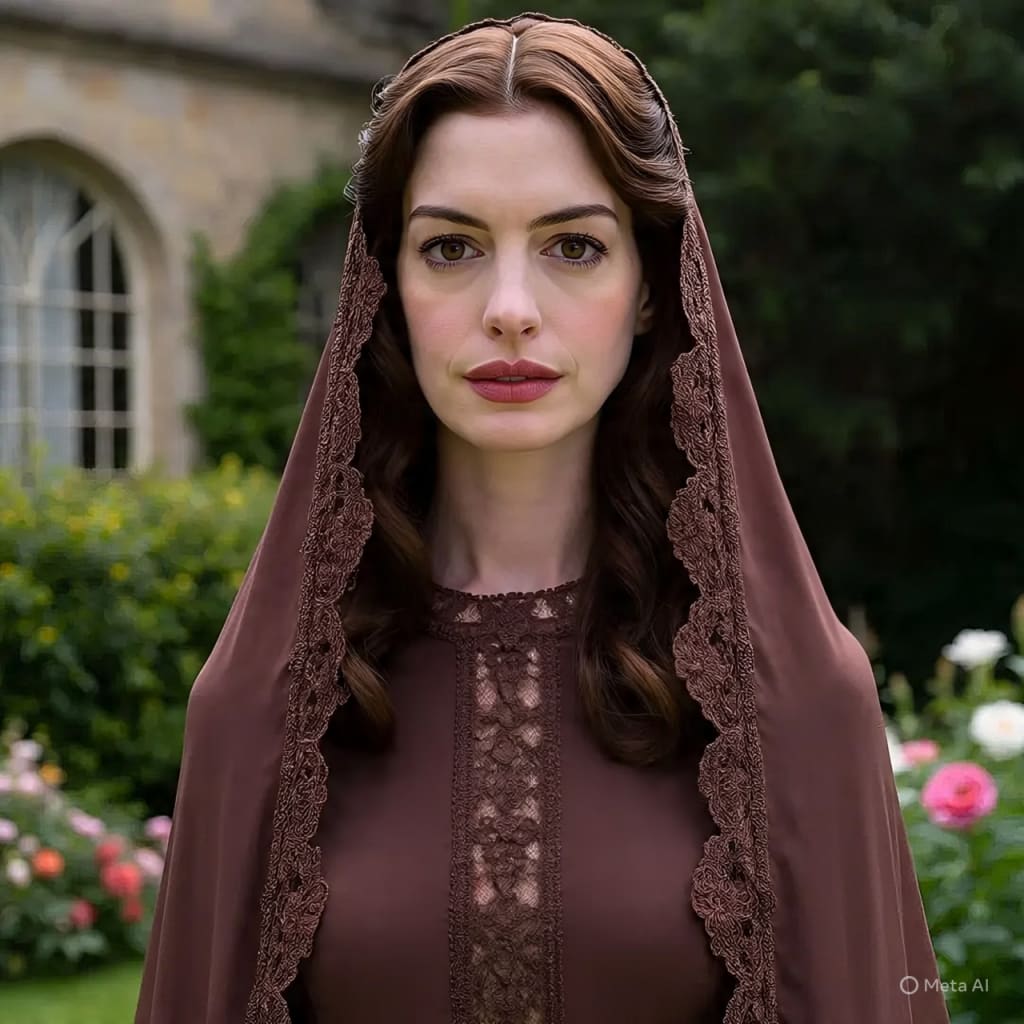
When people think of Anne Hathaway today, they see an Oscar-winning actress, a style icon, and one of the most versatile talents in Hollywood. Yet, her journey has not been the glamorous fairytale many imagine. Behind the red carpets and movie premieres lies a story of rejection, harsh criticism, and personal reinvention. Anne Hathaway’s career is a testament to resilience, proving that even in the unforgiving world of Hollywood, authenticity and persistence can carve out a legacy.
This is the story of Anne Hathaway: her beginnings, her struggles, her rise, and the lessons she teaches about embracing failure, reclaiming one’s voice, and finding purpose.
Early Life: A Dreamer in New Jersey
Anne Jacqueline Hathaway was born on November 12, 1982, in Brooklyn, New York, but raised in Millburn, New Jersey. Her father, Gerald, was a labor attorney, and her mother, Kate, was a former actress. It was her mother’s background in theater that planted the seeds of performance in Anne’s heart.
From a young age, Anne loved storytelling. She immersed herself in books and movies, imitating characters and experimenting with voices. She dreamed of becoming a nun at one point, but the stage kept calling her. At age six, she watched her mother perform as Fantine in Les Misérables — a role Anne herself would later play and win an Oscar for. That moment became a powerful inspiration for her future.
Anne’s parents nurtured her love of performance, enrolling her in acting classes and supporting her artistic pursuits. She became active in school plays and community theater, where her natural charisma and expressive face stood out. By her teens, it was clear she had the spark of a future star.
The Struggles of Early Ambition
Anne’s path to acting success was not smooth. She was rejected from auditions and told she was too “theatrical” or “not pretty enough” for certain roles. Like many aspiring actors, she had to balance school with endless auditions in New York City.
She was accepted into the Barrow Group Theater Company, a prestigious acting school in Manhattan, where her talent began to sharpen. At 16, she landed a spot in a short-lived television series called Get Real (1999). The show was quickly canceled, but Anne’s performance was noticed — and it gave her a small break.
That break would soon transform into something much bigger.
The Princess Diaries: The Breakthrough Role
In 2001, Anne Hathaway auditioned for a Disney project called The Princess Diaries. The film’s director, Garry Marshall, saw something unique in her. She wasn’t the typical Hollywood starlet — she was quirky, relatable, and authentic. Anne was cast as Mia Thermopolis, an awkward teenager who discovers she is heir to a royal throne.
The Princess Diaries became a massive success, and Anne was suddenly thrust into global fame. For millions of young viewers, she became a symbol of hope: proof that awkward, ordinary girls could be extraordinary.
But the success of The Princess Diaries also created a challenge. Anne was quickly typecast as the wholesome “good girl,” which Hollywood often saw as limiting. For the next few years, she played in family-friendly films like Ella Enchanted and The Princess Diaries 2. While successful, Anne wanted more.
She dreamed of serious acting, of roles that challenged her. But the industry, as it often does, wanted to box her in.
Breaking Free: The Shift to Serious Roles
Anne knew she had to reinvent herself if she wanted a lasting career. In 2005, she took a bold leap, starring in Brokeback Mountain, a groundbreaking drama directed by Ang Lee. Playing the wife of Jake Gyllenhaal’s character, Anne showcased a depth and maturity that shocked audiences who only knew her from Disney films.
The risk paid off. Critics praised her performance, and doors opened to more serious projects.
In 2006, she landed a career-defining role in The Devil Wears Prada, opposite Meryl Streep. As Andy Sachs, a young journalist navigating the ruthless world of fashion, Anne embodied the struggles of ambition, identity, and compromise. The film became a cultural phenomenon, and Anne proved she could hold her own against acting legends.
The transition from child star to respected actress was complete.
The Dark Side of Fame
But with fame came scrutiny. In the late 2000s, Anne faced challenges in her personal life that became public scandals. Her boyfriend at the time, Raffaello Follieri, was convicted of fraud, and Anne found herself unwillingly dragged into the headlines. Though she had no involvement in his crimes, the media frenzy was relentless.
Anne later admitted that this period was one of the most painful of her life. She felt humiliated, judged, and vulnerable. But instead of letting the scandal define her, she leaned into her work.
In 2008, she starred in Rachel Getting Married, a raw, emotional film that earned her critical acclaim and an Academy Award nomination. Through vulnerability on screen, she channeled her own pain into art.
The Rise to Oscar Glory
The next few years solidified Anne Hathaway as one of Hollywood’s finest. She took on diverse roles, from romantic comedies like Valentine’s Day to blockbusters like The Dark Knight Rises. But it was her role as Fantine in Les Misérables (2012) that became the turning point of her career.
To play Fantine, Anne cut her hair, lost weight dramatically, and poured every ounce of her soul into the role of a desperate mother. Her performance of “I Dreamed a Dream” was so raw that it left audiences in tears.
The result: Anne won the Academy Award for Best Supporting Actress. But ironically, instead of universal praise, she became the target of an online hate movement nicknamed “Hathahate.” Some critics accused her of being “too perfect” or “overly eager” in her Oscar campaign.
The backlash was brutal, and Anne retreated from public life for a while. She later admitted the hate deeply affected her confidence.
Rebuilding Herself
Rather than letting negativity destroy her, Anne Hathaway used it as a moment of growth. She stepped back from Hollywood for a time, focusing on her family life. She married actor and businessman Adam Shulman in 2012, and together they built a life away from the spotlight. They welcomed two sons, Jonathan and Jack.
Anne became more selective with her projects, choosing roles that resonated personally. She starred in Interstellar (2014), a sci-fi epic that challenged her emotionally and intellectually. She took risks with indie projects like Colossal (2016), which explored mental health and personal responsibility.
Through it all, she rebuilt her career on her own terms, free from Hollywood’s expectations.
Activism and Advocacy
Anne Hathaway has also become a powerful advocate off-screen. She is a UN Women Goodwill Ambassador and has spoken passionately about gender equality, paid parental leave, and the challenges women face in the workplace.
In her 2017 speech at the United Nations, she emphasized the importance of parental leave, drawing from her own experiences as a mother. Her authenticity and compassion have made her a respected voice in activism, extending her influence far beyond Hollywood.
Lessons from Anne Hathaway’s Journey
Anne Hathaway’s story is not just about success — it’s about resilience.
She turned rejection into motivation. Early in her career, she was told she wasn’t “right” for Hollywood, but she refused to give up.
She embraced reinvention. From Disney princess to Oscar winner, Anne proved she could break free of typecasting.
She survived public humiliation. Scandals and online hate could have ended her career, but she emerged stronger.
She found balance. By prioritizing family and meaningful projects, Anne showed that true success comes from authenticity.
Final Thoughts
Anne Hathaway’s life is a story of perseverance. From a New Jersey girl with big dreams to a global icon, she has faced rejection, scandal, and criticism, yet always returned stronger. Her journey reminds us that success is not about avoiding failure — it’s about rising each time you fall.
In Hollywood, where image often overshadows substance, Anne Hathaway shines as proof that resilience, talent, and authenticity will always endure.
Her story continues to inspire not only aspiring actors but anyone who has ever been underestimated, misunderstood, or told they weren’t enough. Anne Hathaway shows us that we are always enough — as long as we stay true to ourselves.
About the Creator
Frank Massey
Tech, AI, and social media writer with a passion for storytelling. I turn complex trends into engaging, relatable content. Exploring the future, one story at a time
Keep reading
More stories from Frank Massey and writers in Motivation and other communities.
Charlize Theron: From Shadows of Struggle to Hollywood Stardom
Charlize Theron is one of the most recognizable names in Hollywood today. An Academy Award-winning actress, a global beauty icon, and a fearless activist, she has built her life on a foundation of strength, courage, and resilience. Yet, behind the glamorous red carpets and blockbuster films lies a journey filled with pain, trauma, and extraordinary perseverance. Her story is not just about fame—it is about survival, breaking barriers, and rewriting the definition of success.
By Frank Massey 5 months ago in Motivation
Influential Women LinkedIn - Discover the Voices Changing the Industry
The New Era of Digital Influence Professional influence has evolved dramatically in the last decade. Traditional leadership recognition once depended on corporate hierarchy, media coverage, or conference stages. Today, platforms like LinkedIn have democratized visibility, allowing professionals to build authority through content, community, and conversation. Within this shift, Influential Women LinkedIn communities have emerged as powerful drivers of industry change.
By influentialwomenmagazineabout 9 hours ago in Motivation



Comments
There are no comments for this story
Be the first to respond and start the conversation.