
7 Energy-Draining Habits (And Here's How To Fix It)
Surprisingly, your daily behaviours have the greatest impact on your energy, leaving you exhausted and less productive

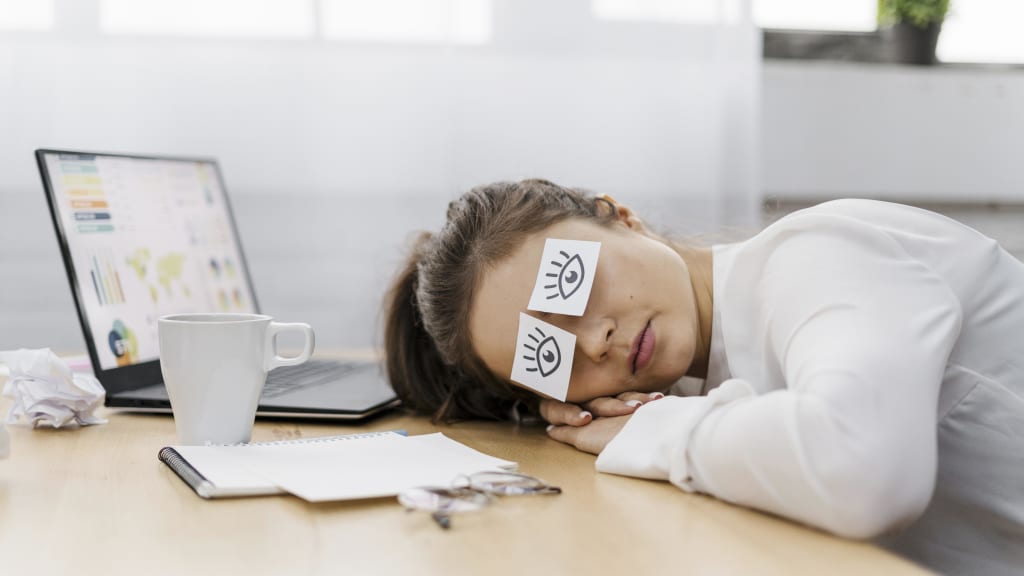
Energy is a term used to describe a person's ability to work.
To work, you and I both require a certain amount of physical, mental, and emotional energy at any one time.
On the other hand, energy is a finite resource. It shrinks in size as we use it. This explains why we get tired, exhausted, and fatigued from time to time.
Your work is finished when you run out of energy. Grounded!
When your energy level is strong in the morning, you make better decisions. Because your brain reserve is depleted, decision fatigue often sets in.
Physical exhaustion and mental exhaustion might also be the outcome of the same cause.
As a result, avoiding activities that deplete your energy and make you sleepy can help you increase your productivity, happiness, and success.
Our habits, more than anything else, are what drains our energy, make us less productive, and make us miserable.
1. Making an effort to please people
When you're continuously trying to prove yourself to others, whether it's your boss, spouse, teacher, or parents, it's exhausting.
When you try to please others and make them happy, you'll almost always make yourself unhappy.
Because you'll be motivated by the urge to fulfil their goals and expectations rather than your own.
While being nice and helpful can help you establish healthy connections with others, make sure you're not doing it for the sake of getting acceptance.
This is a risky road to take since it will sap your energy, cause you to overlook your own needs, and leave you dissatisfied and worried.
What you should do
- Learn to recognise your personal boundaries, set clear boundaries, and then communicate those boundaries.
- Recognize that relationships are built on "give and take," and be firm in your refusal to participate in activities that you are not capable of.
2. Being too critical of yourself
It might be exhausting to constantly criticise and judge yourself. It's often the outcome of a skewed sense of self and a sense of inadequacy.
You'll mostly feel unworthy if you believe you don't measure up in some way, such as believing you're not talented enough.
You'll be tough with yourself, exaggerate your weaknesses, and obsess about your flaws and blindspots.
Let's face it, how can you feel motivated, joyful, and capable if you don't perceive anything nice about yourself?
What you must do
- Self-compassion is a good thing to have.
- You'll feel better and more at ease with yourself if you learn to appreciate and encourage yourself.
- Celebrate your victories, congratulate your efforts, and be gracious in your defeats.
- Reward yourself for giving it a shot.
3. Holding onto hatred and fury
Poison can be more than just something you eat or drink; it can also be a feeling.
Anger and resentment are two of the most toxic emotions you may experience.
They are typical examples of high-intensity negative emotions, according to psychologists, that can wear you out physically, emotionally, and psychologically.
These feelings come because you're still 'living in the past,' which is usually traumatic and hurtful. You're still resentful of those who have offended or injured you.
You must have the fortitude to let go of your negative past in order to move forward.
It's pointless to keep feeling wounded, angry, and resentful about what happened.
Instead, being able to move away from the past and free your mind from the harmful effects of the past can liberate and energise your life.
What you should do
- Begin by practising mindfulness, or becoming aware of what makes you angry or resentful.
- If you feel that a particular prior experience is too painful to let go of, sit down and meditate on it, then write out all of your thoughts and concerns.
4. Overthinking and worrying
When attempting to forecast the future, people become concerned. They spend their time trying to predict what will happen and what will not happen.
Worrying about things you can't control is a waste of time most of the time.
It will only cause distress and restlessness, as well as anxiety and sadness.
Overthinking is the same way.
Overthinking doesn't get you anywhere. It does not result in a better result. It only depletes your vitality and physically exhausts you.
What you should do
- Recognize what you can't change and concentrate on what you can.
- You reclaim your ability to feel whatever you want to feel when you focus on what you can control.
5. Irrational usage of social media
Our mood and energy levels are affected by how we use social media.
When you're scrolling through any social media network, your newsfeed either inspires or depresses you.
If all you see and consume on social media are photos and videos of friends and strangers who appear to be more successful than you, you'll begin to believe your life is worse than it is.
This saps your energy and makes you feel awful about yourself.
The truth is, there's much too much fakery on social media to let it dictate how you feel about yourself or how well you're doing in life.
What you must do
- When used correctly, social media may have a significant positive impact on your life.
- Concentrate on yourself and areas of social media that support your objectives.
- Rather than comparing yourself to others and feeling bad about yourself, utilise social media to be motivated and create crucial relationships.
6. Not being able to control your sleep
Nothing replenishes your body and mind like a good night's sleep.
While you sleep, your body recovers and restores its chemical balance. In addition, your brain will have more time to flush out poisons and form new thought connections.
All of these procedures are designed to get your body and mind ready to feel better when you get up. To get the most out of your sleep, you should get at least 7 hours of sleep.
Unfortunately, the majority of people have difficulty sleeping or staying asleep. They have sleep disorders and are sleep deprived.
You're not giving your body the time it needs to rebuild if you don't get enough sleep. What's more, guess what? There is no way to preserve your energy with a hack.
It depletes your cerebral abilities and puts your physical health in jeopardy.
And this can have actual long-term consequences over time. Sleep deprivation has been related to a variety of health issues, including weight gain.
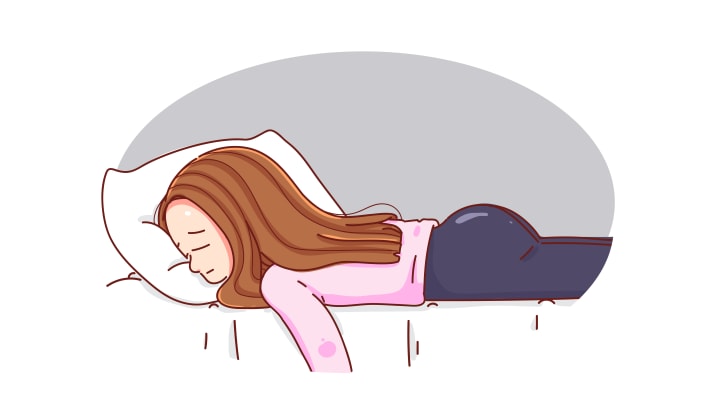
What you should do
- To help you regulate the quality of your sleep, master your sleep habits.
- This entails getting in the habit of waking up at the same time every day. Every night, try to sleep for the same length of time.
- It's also crucial to pay attention to your pre-bedtime habits if you wish to improve your sleep. Avoid drinking coffee a few hours before bedtime, avoiding alcohol, and eating heavy meals that will disrupt your sleep.
- Instead, try meditating, journaling, reading, or listening to an uplifting audiobook or podcast.
7. Consumption of harmful junk food as a meal
Eating a nutritious diet can help you feel better because, whether you realise it or not, what you eat has an impact on your energy level, mood, and productivity.
Generally speaking, if you feel sleepy, fatigued, or require a nap 30–45 minutes after a meal, you should adjust your food composition.
Foods high in vegetables, fruit, nuts, seafood, lean meats, beans, and healthy fats like olive oil are all good sources of daily energy.
Concentrate on acquiring enough of these essential nutrients each day while avoiding processed, unhealthy foods.
Processed foods induce an increase in blood sugar and insulin levels that lasts only a few hours. You get a brief burst of energy, but it's swiftly followed by a crash in energy. You will become increasingly weary in the long run.
What you should do
If you want to keep your body from consuming junk food all of the time, keep only nutritious foods on hand at home. Nuts like almonds and walnuts can satisfy your hunger pangs instead of chips, namkeens, and pastries.
About the Creator
Keep reading
More stories from Subeesh Narayanan V and writers in Motivation and other communities.
How can we farm for a vegan future?
By 2025, the UN predicts that the world’s population will be close to 10 billion. This increase in global demand for food means that farming is going through a major transformation, and farmers are being forced to adopt methods that are less damaging to the environment in order for us all to meet our nutritional needs.
By Subeesh Narayanan V4 years ago in Earth
I Worked Hard My Whole Life but Never Felt Financially Safe
I was raised to believe that hard work was the ultimate guarantee. Work hard, stay honest, don’t complain, and everything would eventually fall into place. Financial safety, I was told, was the reward for effort. So I believed it. I built my entire life around it.
By kamran khan5 days ago in Motivation



Comments
There are no comments for this story
Be the first to respond and start the conversation.