
6 Greek Myth Lessons for Writers: Embracing Risk, Harnessing Power, and Overcoming Obstacles with Hephaestus Global
Join us as we explore 6 ancient greek myths and look for lessons for Writers.
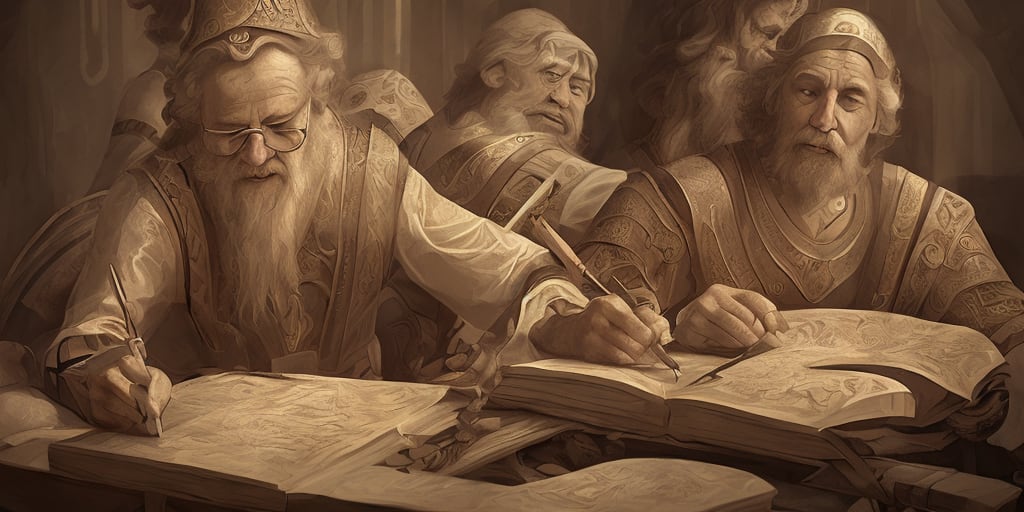
Greek mythology is a rich source of inspiration for writers, with stories that explore the human condition and delve into themes such as love, loss, power, and betrayal. In this article, we will explore six Greek myths that offer valuable lessons for writers on their creative journey.
The myth of Prometheus and the gift of fire
In Greek mythology, Prometheus was a titan who stole fire from the gods and gave it to humans, thus enabling them to progress and develop. As punishment, he was chained to a rock where an eagle ate his liver each day. This myth teaches writers the importance of taking risks and pushing boundaries in their writing. Like Prometheus, writers must be willing to challenge the norms, to question the status quo, and to bring something new and fresh to the world. In doing so, they may face criticism or rejection, but ultimately, they will be rewarded with the satisfaction of knowing that they have contributed to the advancement of their craft.
The myth of Icarus and the dangers of ambition
The story of Icarus warns of the dangers of ambition and overreaching. Icarus, the son of the master craftsman Daedalus, attempted to fly too close to the sun with wings made of feathers and wax. The wax melted, and Icarus fell to his death. This myth reminds writers that while ambition is essential, it must be tempered with caution and humility. Writers must be willing to take risks, but they must also recognize their limitations and avoid overreaching. They must take the time to hone their craft and develop their skills, rather than rushing to achieve success at any cost.
The myth of Orpheus and the power of storytelling
The myth of Orpheus tells the story of a talented musician and storyteller who travels to the underworld to retrieve his wife, Eurydice. With his music and his stories, he charms the gods and convinces them to let him take Eurydice back to the land of the living. This myth highlights the power of storytelling and the ability of writers to transport their readers to new worlds and to touch their hearts and minds. It reminds writers that their words have the power to move, inspire, and transform, and that they must use this power wisely and with compassion.
The myth of Narcissus and the danger of self-absorption
The story of Narcissus is a cautionary tale about the dangers of self-absorption and vanity. Narcissus was a beautiful young man who fell in love with his own reflection and wasted away, unable to tear himself away from the pool where he gazed at himself. This myth warns writers of the danger of becoming too focused on themselves and their own work, to the point where they lose perspective and are unable to connect with their readers. Writers must be willing to step back from their own work and to view it with a critical eye, seeking feedback and input from others to help them grow and improve.
The myth of Persephone and the cycles of creativity
The myth of Persephone tells the story of a young girl who is abducted by Hades, the god of the underworld. Her mother, Demeter, grieves for her and causes the earth to become barren until Zeus agrees to bring Persephone back for half of each year. This myth reflects the cyclical nature of creativity, with periods of growth and abundance followed by periods of rest and renewal. Writers must be willing to embrace the ebb and flow of their creativity, recognizing that there will be times of great productivity and times of fallow creativity. They must be patient and trust that their creativity will return in due time.
The myth of Medusa and the power of transformation
The story of Medusa tells of a beautiful woman who is transformed into a monster with snakes for hair by the goddess Athena. Anyone who looked at her was turned to stone. The hero Perseus was able to defeat her by using his wits and a mirrored shield to avoid her gaze and then cut off her head. This myth speaks to the power of transformation and the importance of facing our fears and overcoming obstacles in our writing. Writers must be willing to take risks and to transform themselves and their work, embracing new perspectives and techniques. Like Perseus, they must be resourceful and creative, finding new ways to approach their writing and to overcome any obstacles that stand in their way.
In conclusion, Greek mythology offers a rich source of inspiration for writers, with stories that explore the human condition and offer valuable lessons for those on their creative journey. The six myths discussed in this article teach writers the importance of taking risks, balancing ambition with caution, harnessing the power of storytelling, avoiding self-absorption, embracing the cycles of creativity, and overcoming obstacles through transformation. By embracing these lessons, writers can find the courage and inspiration they need to write meaningful and impactful stories that resonate with readers for generations to come.
Are you inspired by the lessons of Greek mythology and interested in contributing to a community of writers who share your passion for storytelling? Consider joining Hephaestus Global, a platform that brings together writers from around the world to share their work, collaborate with others, and gain valuable feedback and support. As a member of Hephaestus Global, you'll have the opportunity to connect with other writers, participate in workshops and events, and showcase your writing to a global audience. Whether you're a seasoned writer or just starting out, Hephaestus Global offers a welcoming community where you can grow and develop your craft. Join us today and become part of a vibrant and supportive community of writers!
About the Creator
Hephaestus Global
Hephaestus Global relates the stories of ancient greek mythology to everyday life. Welcome to the Forge.
Keep reading
More stories from Hephaestus Global and writers in Motivation and other communities.
The Story of Hercules in relation to the entrepreneur journey
Once upon a time in ancient Greece, Hercules, the son of Zeus and the mortal woman Alcmene, was born. He was granted incredible strength and courage. But soon, his uncle Hera, wife of Zeus and queen of the gods, became jealous of Hercules and sought revenge.
By Hephaestus Global3 years ago in Motivation
One Hard Thing
Stop me if you’ve heard this one before: You have the number, you know your schedule- you’ve even picked out the perfect day and time to make this appointment. Shoot, you’ve even picked out alternative days and times just in case their schedules can’t accommodate you!
By Taylor Rigsby13 days ago in Motivation
Why Waiting for Motivation Is Quietly Ruining Your Progress
For a long time, I assumed motivation was something you either had or didn’t. Some folks woke up energetic, focused, and ready to take on the world. Others—like me—wait. We waited for the perfect mood, the right timing, the right inward push that would suddenly make effort feel natural.
By abualyaanart3 days ago in Motivation



Comments
There are no comments for this story
Be the first to respond and start the conversation.