
12 Proven Strategies to Save Money on a Tight Budget
Practical tips to help you cut costs, build savings, and regain financial control—no matter how limited your income may be
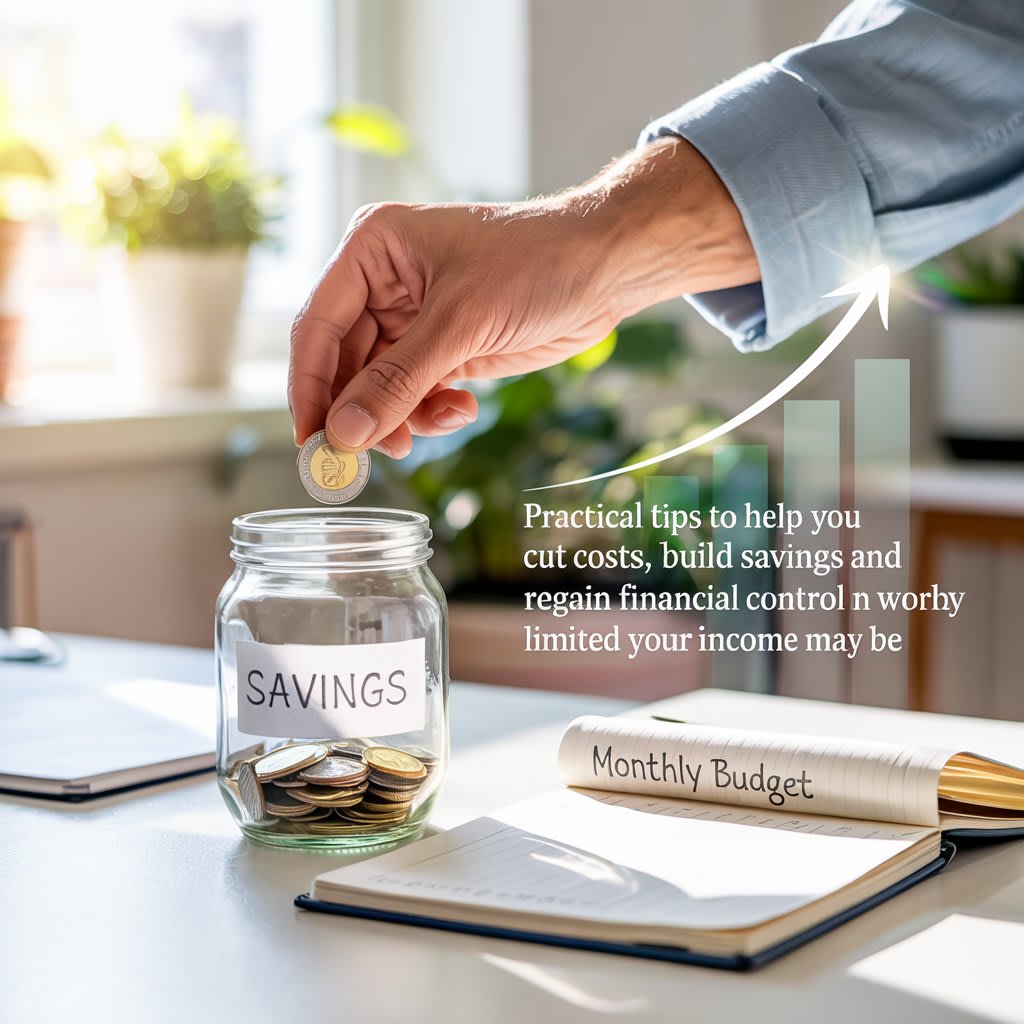
Managing finances on a limited income can often feel overwhelming, especially when expenses seem to rise faster than earnings. However, with the right mindset and practical strategies, even the tightest budgets can be managed effectively. The key lies in building financial habits that support long-term savings without compromising essential needs.
Below are 12 proven strategies that can help you save money, reduce unnecessary expenses, and regain control of your financial future.
1. Track Every Expense
The foundation of any successful savings plan begins with understanding where your money goes. Start by recording all your expenses—no matter how small. Use budgeting apps, a simple spreadsheet, or even a notebook. You might be surprised how small daily purchases add up. Once you have a clear picture, you can identify areas where cuts can be made.
2. Create a Realistic Monthly Budget
A budget isn't just about restrictions; it's about giving yourself a clear plan. Begin by listing your monthly income and fixed expenses like rent, utilities, and groceries. Allocate a portion to savings—even if it’s just 5%—and set a cap on variable expenses like dining out or entertainment. The more realistic your budget is, the more likely you are to stick to it.
3. Distinguish Needs from Wants
One of the biggest challenges in budgeting is making the distinction between what you need and what you want. Focus on necessities first—shelter, food, transportation, and healthcare. Delay gratification on non-essentials until your financial footing becomes stronger.
4. Cook at Home Instead of Eating Out
Eating out frequently is one of the fastest ways to drain a budget. Preparing meals at home is significantly cheaper and often healthier. Plan your meals for the week, make a shopping list, and buy in bulk where possible. Cooking in batches and storing food in portions can also save both time and money.
5. Cut Subscription Services You Don’t Use
Streaming platforms, magazine subscriptions, cloud storage services—many people subscribe to multiple platforms they rarely use. Review your recurring subscriptions and cancel those you don’t regularly benefit from. Even small cancellations can add up over time.
6. Use Public Transportation or Carpool
If your city has a reliable public transport system, consider using it instead of driving. Fuel, maintenance, and parking can take a large bite out of your budget. Alternatively, carpooling with colleagues or neighbors is another cost-effective option.
7. Buy Generic Brands
When shopping for groceries or household items, opt for store or generic brands instead of well-known brands. In many cases, the quality is very similar, and the savings can be substantial over time. This applies not only to food but also to medicine, cleaning supplies, and toiletries.
8. Set Up an Emergency Fund
While it might seem impossible to save with limited income, having even a small emergency fund can prevent you from going into debt during unforeseen circumstances. Start with small contributions—such as saving your spare change or rounding up your expenses—and grow it steadily.
9. Avoid Using Credit for Daily Expenses
Relying on credit cards to cover daily living costs can lead to a cycle of debt that’s hard to break. Try to use cash or debit for your regular purchases. This not only limits overspending but also keeps you aware of your financial limits.
10. Take Advantage of Discounts and Coupons
Be on the lookout for sales, discount offers, and digital or printable coupons. Many grocery stores, pharmacies, and online shops provide apps or loyalty programs that help you save with each purchase. Combine coupons with sale items for even greater savings.
11. Reduce Utility Bills
Simple habits like turning off unused lights, unplugging electronics, using energy-efficient bulbs, and limiting water usage can lower your monthly utility bills. In colder regions, layering clothes instead of turning up the heat can make a notable difference.
12. Find Free Entertainment
Saving money doesn't mean you can’t enjoy life. Look for free or low-cost entertainment options such as community events, nature parks, local museums (many have free days), or library programs. Enjoying yourself doesn’t have to come at the cost of your financial health.
Final Thoughts
Saving money on a tight budget is certainly challenging, but it is far from impossible. The strategies shared above are not about depriving yourself—they’re about making smarter choices that lead to long-term financial stability. Start small, stay consistent, and celebrate every step forward.
With discipline and awareness, financial freedom is within reach, even when resources are limited. Whether your goal is to clear debt, build savings, or simply have peace of mind, taking control of your money today will empower your future tomorrow.
About the Creator
Keep reading
More stories from Nasratulllah Barakzai and writers in Motivation and other communities.
Mastering the Art of Learning
In a world where knowledge is power, the ability to study effectively is not merely a student’s necessity—it is a life skill. Whether you're preparing for exams, trying to earn a certification, or simply committed to self-improvement, learning how to learn is one of the most important investments you can make. This article provides a comprehensive guide to the most powerful and proven study techniques that will help you retain knowledge, stay motivated, and achieve your goals efficiently.
By Nasratulllah Barakzai10 months ago in Motivation
Why Successful People Are Different
The Day I Realized I Was Stuck I’ll never forget that rainy evening when I felt invisible. Everyone around me seemed to be moving forward—friends landing their dream jobs, starting businesses, chasing passions—while I sat on my couch, feeling like life was passing me by.
By Fazal Hadi6 days ago in Motivation



Comments (1)
"This will help me budget! Thanks for sharing".