
Marriage, a sacred institution celebrated across cultures and civilizations, is a cornerstone of human society. It is a formal union between two individuals, typically based on love, commitment, and shared values. This article aims to delve into the multifaceted aspects of marriage, exploring its historical significance, cultural variations, social implications, and the evolution of its purpose over time.
Historical Significance:
Marriage holds a deep-rooted history, dating back to ancient civilizations. From the arranged marriages of Mesopotamia to the romantic unions of ancient Greece, the institution of marriage has transformed and adapted to the customs and beliefs of different eras. In many societies, marriage was primarily seen as a means of forging alliances, strengthening familial ties, and ensuring the continuity of bloodlines.
Cultural Variations:
Marriage traditions vary significantly from one culture to another, showcasing the rich tapestry of human diversity. In some cultures, arranged marriages are prevalent, where families play a pivotal role in selecting suitable partners based on social status, compatibility, and shared values. Other cultures embrace the concept of love marriages, where individuals choose their life partners based on personal affection and emotional connection.
Religious and Spiritual Significance:
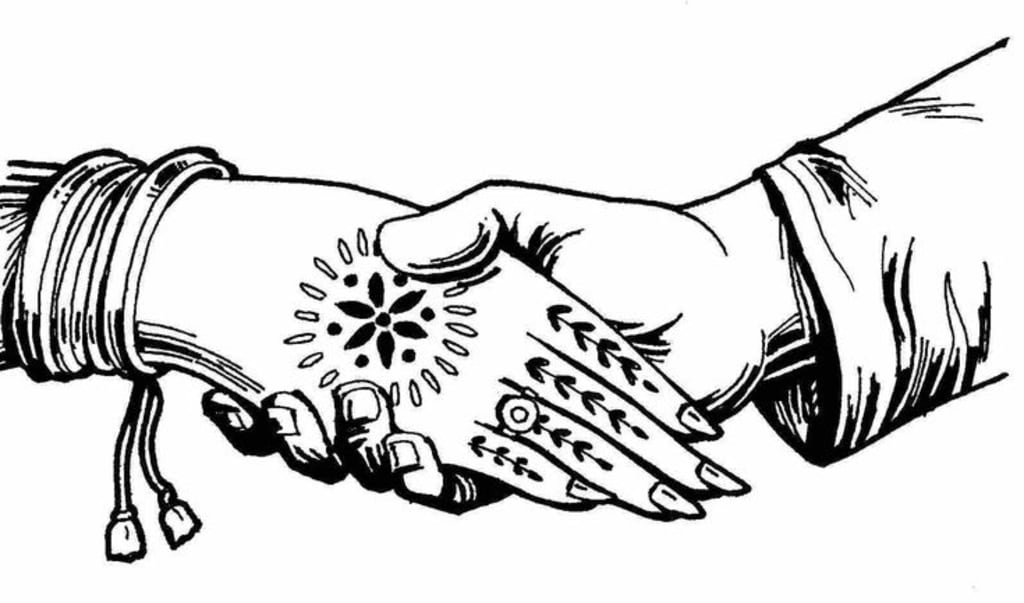
Religion often plays a significant role in marriage ceremonies, adding a spiritual dimension to the union. Various religious customs and rituals are incorporated into wedding ceremonies, symbolizing the couple's commitment, invoking blessings, and seeking divine guidance. These rituals may include prayers, blessings from religious leaders, exchange of vows, and the sacred act of joining hands.
Social Implications:
Marriage extends beyond the personal sphere, shaping and impacting wider social structures. It provides the foundation for building families, which are the basic units of society. Marriage serves as a platform for the formation of new households, the procreation of children, and the passing on of cultural values and traditions. It fosters stability, companionship, and mutual support between spouses, creating a nurturing environment for personal growth and emotional well-being.
Legal and Financial Aspects:
Marriage often carries legal and financial implications. Many jurisdictions recognize marriage as a legal contract, conferring certain rights and responsibilities to the spouses. These may include property rights, inheritance laws, tax benefits, and decision-making authority in matters of healthcare and finance. The legal framework surrounding marriage varies across different countries, reflecting the cultural, social, and political contexts.
Evolution of Marriage:
The concept of marriage has evolved over time, reflecting changes in societal norms and values. Traditional gender roles within marriages have gradually shifted, allowing for greater equality and partnership between spouses. Marriage is now seen as a voluntary commitment based on love and mutual respect, rather than solely a duty or obligation.
Challenges and Transformations:
Marriage, like any human institution, faces challenges in the modern world. Changing societal dynamics, increased mobility, and evolving gender roles have led to a diversification of relationship structures. Non-traditional forms of partnerships, such as same-sex marriages and cohabitation, have gained recognition and acceptance in many societies, reshaping the traditional definition of marriage.
The Purpose of Marriage Today:
In contemporary times, marriage serves various purposes, unique to each couple. While love and companionship remain foundational elements, marriage is also seen as a partnership for personal growth, emotional support, and shared aspirations. Couples may choose to marry to solidify their commitment, create a legally recognized bond, or to fulfill cultural and religious expectations.
Marriage and Personal Growth:
Marriage offers an opportunity for personal growth and self-discovery. It requires compromise, effective communication, and the development of essential life skills such as empathy, patience, and forgiveness. The challenges and joys experienced within the marital relationship can serve as catalysts for individual development and emotional maturity.
Conclusion:
Marriage is a complex and multifaceted institution that has played a central role in human society throughout history. It is a union that encompasses love, commitment, legal obligations, and social significance. While its purpose and dynamics continue to evolve, marriage remains a symbol of unity, partnership, and the celebration of human connection. As we navigate the ever-changing landscape of relationships, it is essential to honor and respect the diverse forms that marriage takes, recognizing its profound impact on individuals, families, and society as a whole.
About the Creator
WASEEM AKRAM
Meet Waseem Akram a passionate and driven individual on a journey of self-discovery. With a commitment to personal growth and an insatiable curiosity, Waseem Akram embraces diverse interests and excels in their professional endeavors.
Keep reading
More stories from WASEEM AKRAM and writers in Marriage and other communities.
Online Earning
Introduction: In this digital age, the internet has become a breeding ground for scammers looking to exploit unsuspecting individuals. Falling victim to an online scam can have devastating consequences, both financially and emotionally. However, by equipping yourself with knowledge and adopting a proactive approach, you can protect yourself and minimize the risk of becoming a scammer's next target. In this article, we will explore essential tips and practices that can help you navigate the online landscape safely and avoid falling prey to scams.
By WASEEM AKRAM3 years ago in Criminal
Beyond the Carat: Why Oval Engagement Rings Are the New Standard of Elegance
Every engagement story begins with a spark, but for me, it began with a realization: not all diamonds are created equal. When I started my search for the perfect ring, I was blinded by the "Four Cs." I thought that as long as the certificate looked good, the ring would be perfect. I was wrong.
By Mohd Kaish6 days ago in Marriage
Five—One Grounding
Five—Locked in a perpetual battle against my failing senses and reason, I fight to survive, to get through; I am afraid of... nothingandeverythingallatonce—...—my mouth is dry, and my muscles seize up... what can I see? I can see the birdcage and birds; I can see the watercolour my beautiful wife painted many years ago and unlocked her journey into art; I can see the empty mug of tea as it sits perilously on the arm of the sofa; how many is that now? Three down, two to go; I can also see a jackdaw on the roof of our neighbour's house across the road and a bookcase of potential—Five things you can see.
By Paul Stewart5 days ago in Poets


Comments
There are no comments for this story
Be the first to respond and start the conversation.