
You can't cut off the meat, eggs, and milk during illness
Meat, Egg and Milk


"You can't eat eggs if you have a cold or a fever," "You can't eat fish or shrimp if you have a wound," "Cancer patients can't eat chicken or fish"... Similar sayings are widely circulated among the people. It seems that as long as a person is sick all his life, he must be "insulated" from meat, eggs, and milk. However, this is not only not conducive to the recovery of the disease, but can also make the disease worse.

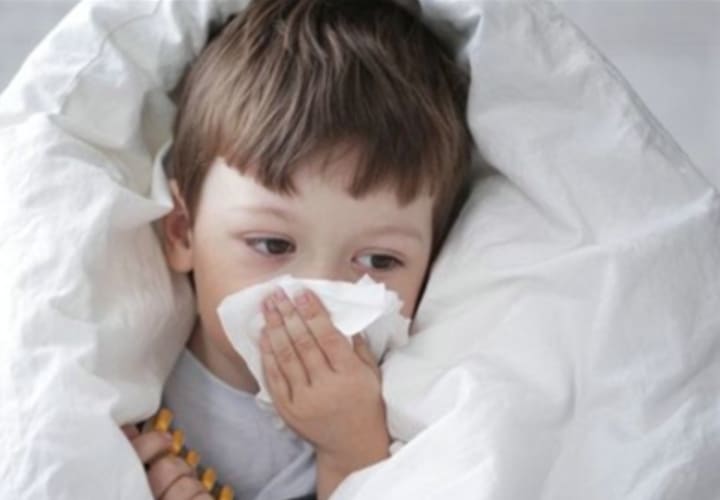
When catching a cold and fever, the body's metabolism speeds up, the body's protein decomposition speeds up, and the excretion of B vitamins is also greatly increased. Therefore, pay special attention to supplementing foods rich in protein and vitamins when you have a fever, otherwise it may extend the recovery time. When the human body is relatively weak, the secretion of digestive juice is less. It is recommended to supplement high-quality protein with eggs and fish meat. They are relatively easy to digest, and contain a variety of essential amino acids for the human body, which is beneficial to enhance the body's resistance to viruses.
During the recovery period of the wound, the human body's demand for high-quality protein will also increase. If protein intake is insufficient at this time, not only will the wound heal slowly, but it will also increase the chance of infection. Some amino acids in high-quality protein have a positive effect on wound healing and anti-infection, such as arginine, which can promote muscle tissue growth and enhance immunity. Foods rich in arginine include seafood, lean meat, poultry, milk and their products. Cysteine is also an essential amino acid for wound healing. It is converted from methionine in the body. Foods rich in methionine include fish and eggs.
Most cancer patients also need to supplement high-quality protein and multivitamins to increase the body's immunity, so meat, eggs, and milk are also ideal foods for such patients. Studies have shown that 30% of cancers are related to unreasonable diet and malnutrition, 40% to 80% of cancer patients suffer from malnutrition, and about 20% of cancer patients die directly from malnutrition. It can be seen that diet and nutrition are not only related to the prevention of cancer, but also closely related to the recovery of cancer patients. In clinical practice, we have not seen examples of cancer recurrence caused by eating certain foods. On the contrary, many patients have suffered from malnutrition because they did not pay attention to diet and recuperation, and could not tolerate radiotherapy and chemotherapy, which eventually led to the interruption of treatment. .
In addition, many patients are at high risk of malnutrition, such as tuberculosis patients, severely ill patients, burn patients, and patients receiving chemotherapy. They may not be able to ingest enough food by mouth due to the dysfunction of the body and organs, nausea, vomiting, taste changes, drug side effects and other factors, and thus cannot get enough calories and nutrients; at the same time, patients still There may be limited digestion and absorption of the gastrointestinal tract and increased body consumption. The intake of nutrients is difficult to make up for the consumption. If you blindly avoid eating meat, eggs, and milk, you will face a greater risk of insufficient intake of nutrients such as protein, energy, iron, and vitamin B12.

For people who are sick, when eating meat, eggs, fish and other foods, try to cook in relatively healthy ways such as stewing, boiling, and simmering to reduce the loss of nutrients while reducing the synthesis of harmful chemicals; patients with swallowing disorders , Need to increase the smoothness of meals. Caregivers can finely process the food, using chop, long-time high-pressure stewing, and the use of a blender to make the food into a slurry, etc., all of which can achieve this goal.
In short, don't blindly fast for meat, eggs and milk when you are sick. For some special people, if you are not sure whether you should eat certain foods, you can consult a nutritionist and other professionals.
About the Creator
Keep reading
More stories from writers in Longevity and other communities.
Day 4 of Quitting
If this is how sobriety feels, maybe it’s better to go through life a little buzzed… this, along with other hits like, I want to kill myself, I wish I was dead, and I’m going to throw myself off a bridge have been the only thoughts on rotation these past few days. I promise myself that if, in a month, I still feel like this (‘this’ meaning despondent, full of rage, and simultaneously numb) I can go back to smoking. Until mid-February though? Nicotine is off the table.
By sleepy drafts23 days ago in Longevity
The Place That Stayed With Me: After a Treacherous Route Through Open Desert, at Mina Mina I Saw Holiness
A journey across silence, struggle, and spirit in the heart of the Australian desert Some places do not announce themselves with signs or grand entrances. They wait quietly, asking something of you before they reveal what they are. Mina Mina was one of those places.
By Fiaz Ahmed about 23 hours ago in Longevity




Comments
There are no comments for this story
Be the first to respond and start the conversation.