
Yoga for Beginners: Starting a Healthy Journey
Yoga for Beginners is your comprehensive guide to get healthy

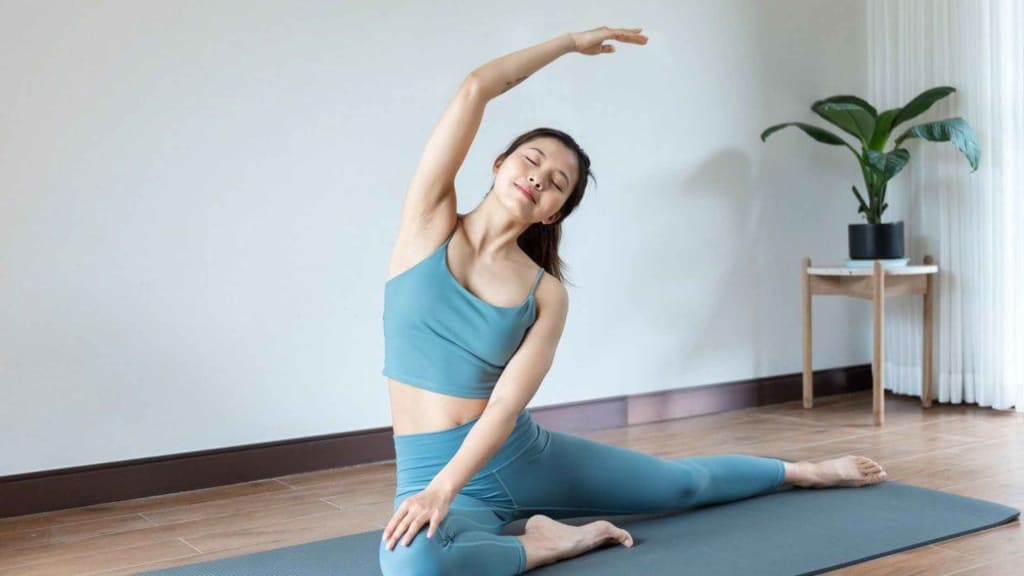
It is thrilling and life-changing to get started on the yoga road to a healthy lifestyle. For anyone just starting off, one must have an establishment of a good routine that takes care of physical and mental growth in yoga. We'll break down a yoga for beginners program in this guide that is easy to follow, efficient, and designed for beginners. This program is made to fit your needs, whether you're searching for general strength, flexibility, or stress alleviation.
Why Choose Yoga for Beginners?
Yoga is more than just a physical activity; it's a holistic practice that combines movement, breathwork, and meditation to improve your overall health. A beginner would need to start with the right routine to avoid frustration and injury. Simplicity, consistency, and gradual progression are key to the success of yoga for beginners.
Yoga has immense benefits as follows:
- Flexibility and mobility increased
- Stress and anxiety reduced
- Strength and balance improved
- Better posture and alignment
- Increased mental clarity and focus
By starting slow and incorporating mindful practice, beginners can experience these benefits without feeling overwhelmed.
Key Components of a Yoga for Beginners
A well-rounded yoga for beginners includes a mix of postures (asanas), breath control (pranayama), and relaxation techniques. Here’s an overview of the key components you’ll want to include:
1. Warm-Up (5-10 minutes)
Start with a mild warm-up to get the body ready for deeper stretches to avoid injuries. Simple stretches are usually neck rolls, shoulder shrugs, and slight twists that loosen up the body. The time to tune into your breath and clear out your mind is also within your warm-up.
2. Core Poses for Beginners (15-20 minutes)
The foundation of any yoga for beginners will comprise foundational poses that build strength, flexibility, and awareness. Here are a few basic poses to include in your practice:
Mountain Pose (Tadasana): This is a simple standing pose that promotes stability and body awareness. Focus on grounding your feet and aligning your body from head to toe.
Downward Dog (Adho Mukha Svanasana): This is a very classic yoga asana; it stretches the whole body, particularly the hamstring and calf muscles. Here, attempt to lengthen your spine and breathe with it.
Child's Pose (Balasana): It's one of the resting poses; this is ideal for releasing tension in the back, hips, and shoulders. It is perfect for calming the mind and stretching the body.
- Cobra Pose (Bhujangasana): Cobra is a gentle stretching of the spinal region while lifting the chest to open. Cobra strengthens the back and encourages good posture.
Warrior I & II (Virabhadrasana I & II): It is the building of strong legs, abdominals and arms and excellent balance achieved standing.
Beginner can begin with 5-8 breaths per pose while training increases time to the preferred time
3. Breath Control (Pranayama)
Breathing is the basis of yoga. Learning the proper breath control, known as pranayama, can calm the mind and energize the body. For beginners, try these techniques:
- Ujjayi Breath (Victorious Breath): Breathe in and out deeply through your nose, allowing a slight sound in the throat. This helps you focus and maintain rhythm in your practice.
- Alternate Nostril Breathing: Nadi Shodhana This is a calming technique where one nostril is closed at a time and breathed through. Excellent for reducing stress and balancing the flow of energy in the body.
4. Cool Down and Relaxation (5-10 minutes)
Cool down and then relax all parts of the body afterwards. This helps in washing away every tension built and, at the same time, would allow it to fully absorb the learned benefits from it. One of the many relaxation postures is _Savasana or corpse Pose_. Lie flat with your hands by your side and with your body and mind allowed to fully be relaxed while focusing on a deepening breath. Let go of mental things.
Sample Yoga Routine for Beginners
Here is a sample routine you can follow as a beginner:
1. Warm-Up (5 minutes):
Neck rolls, shoulder shrugs, gentle twists.
2. Core Poses (15-20 minutes):
Mountain Pose (Tadasana) – 1 minute
Downward Dog (Adho Mukha Svanasana) – 5 breaths
Child's Pose (Balasana) – 1-2 minutes
Cobra Pose (Bhujangasana) – 5 breaths
Warrior I (Virabhadrasana I) – 5 breaths each side
Warrior II (Virabhadrasana II) – 5 breaths each side
3. Breathwork (5 minutes):
- Ujjayi Breath for 3-5 minutes.
- Nadi Shodhana (Alternate Nostril Breathing) for 2-3 minutes.
4. Cool Down (5 minutes):
- Savasana (Corpse Pose) – 3-5 minutes.
Online Yoga Class for Beginners
If you are looking for a deeper practice, then maybe you should consider taking an online yoga class for beginners. There are many online platforms offering classes that allow you to practice at your own pace and convenience. These classes often have personalized guidance and tutorials beneficial for those just starting.
Platforms like Praveen Yoga Academy have online classes for beginners. They take you through the foundational postures step by step and provide modifications when necessary. An online yoga class can be a perfect supplement to your in-person practice.
Hatha Yoga for Beginners: A Great Starting Point
Hatha yoga for beginners is a great option if you want a slower, more intentional type of yoga. This method is perfect for beginners because it emphasises fundamental poses and breathing exercises. Hatha yoga is renowned for emphasising meditation and awareness, which can assist newcomers in forging a closer bond with their practice.
In class, you will tend to hold each position for a longer time, which allows for a deeper stretch and better alignment. For newcomers, hatha yoga is mild on the body and develops strength and flexibility over time.
Tips for Success in Your Yoga for Beginners
1. Gradually Build Up: Give your body time to adapt. Start with a short routine and gradually increase the duration and intensity as your strength and flexibility improve.
2. Focus on Breath: Breath is equally important as physical posture. Always ensure that your breath remains smooth and steady during your practice.
3. Props: Don't be afraid to use some props, such as yoga blocks, straps, or blankets, to help you properly align and support yourself in poses.
4. Listen to Your Body: The practice isn't about overcoming your body. If it feels uncomfortable or even painful, retreat and do a version that works for you.
5. Be Consistent: The more you practice, the faster the improvement. Try to have at least 2-3 sessions a week.
Conclusion
Yoga for beginners is a wonderful way to begin your journey toward better health and well-being. Whether you’re taking an online yoga class for beginners, practicing hatha yoga for beginners, or following a simple routine at home, yoga offers numerous benefits for the body and mind. Remember to start slowly, stay consistent, and always listen to your body. With time and practice, you’ll experience greater flexibility, strength, and inner peace.
FAQs:
1. How often must I practice yoga when a beginner?
Start with 20-30 minutes of yoga 2-3 times a week and increase the duration gradually as your body gets accustomed to it.
2. Can I practice yoga even if I'm not so flexible?
Absolutely! Yoga is for everyone, regardless of flexibility. You start by beginning poses and focus on gradual improvement.
3. How can I avoid injury when practicing yoga?
Always listen to your body, and use props whenever necessary to avoid pushing oneself into a pose that might be uncomfortable.
4. What kind of yoga is right for a beginner?
A beginner-friendly yoga type will most likely be either hatha yoga or gentle yoga; it will primarily focus on the foundational postures and breathing techniques.
5. Do I need some special equipment to practice at home?
The key gear needed is a yoga mat, while props such as blocks and straps can be useful, especially for beginners.
About the Creator
Praveen Yoga Academy
Mr. Praveen Kumar Verma has a solid yoga practice spanning over 30 years. His teaching experience spans more than a decade.
Website: www.praveenyogaacademy.com
Keep reading
More stories from Praveen Yoga Academy and writers in Longevity and other communities.
Unlock the Best Yoga in Bangalore: Roadmap to a Healthier Lifestyle
Yoga in Bangalore: Welcome to Wellness and Inner Peace: Welcome to Wellness and Inner Peace Yoga has been seen for long as an activity that promotes one's physical and mental wellbeing. Nowadays, amid rising demands from urban space to maintain a healthy life amidst the busy urban life, Yoga in Bangalore is on a growing spree. This tech-friendly city is also home to the best yoga centers in the country.
By Praveen Yoga Academyabout a year ago in Longevity
Day 4 of Quitting
If this is how sobriety feels, maybe it’s better to go through life a little buzzed… this, along with other hits like, I want to kill myself, I wish I was dead, and I’m going to throw myself off a bridge have been the only thoughts on rotation these past few days. I promise myself that if, in a month, I still feel like this (‘this’ meaning despondent, full of rage, and simultaneously numb) I can go back to smoking. Until mid-February though? Nicotine is off the table.
By sleepy drafts13 days ago in Longevity
The Hidden Power of the Nerve Endings in Your Feet
Most people don’t give much thought to their feet unless they’re uncomfortable or tired. Yet beneath the surface, the nerve endings in the feet are constantly working, sending vital information to the brain that influences balance, posture, and movement. These signals operate quietly in the background, but they play a far greater role in daily life than many people realize.
By AhmedFitLife5 days ago in Longevity


Comments
There are no comments for this story
Be the first to respond and start the conversation.