
Yoga for Beginners at Home: Start Your Practice Today
Learn How to Start a Home Yoga Practice for Better Health, Flexibility, and Inner Peace—No Experience Needed


In today's fast-paced world, the need for balance, flexibility, and mental peace has never been greater. Yoga, an ancient practice rooted in over 5,000 years of Indian tradition, offers a powerful solution.
The best part? You don’t need to go to a studio to get started. With the right guidance, you can begin your yoga journey right from the comfort of your home. This guide is designed to help beginners take the first step confidently and safely into the world of yoga.
Why Start Yoga at Home?
Practicing yoga at home offers unmatched convenience and flexibility. Here's why it's a great choice:
- Comfort and Privacy: Being in your own space can help you feel more relaxed and less self-conscious, especially when you're just beginning and still learning the basics.
- Flexibility in Scheduling: You can practice yoga early in the morning, during a lunch break, or before bedtime—whatever works best for your lifestyle. This adaptability makes it easier to maintain a consistent routine.
- Cost-Effective: Without the added expense of studio memberships, transportation, or class fees, home practice is an economical option.
- Personal Pace: You’re in full control of your practice. Pause and replay tutorials as needed, revisit poses you find challenging, and take your time building up stamina and strength.
- Family-Friendly: It’s easier to include family members, even children, in your yoga sessions, promoting wellness for the entire household.
Getting Started: Essentials for Home Yoga Practice
Before you jump into poses, a little preparation can go a long way. Here are the basic essentials:
1. Create a Dedicated Space
Choose a quiet, clean, and comfortable spot in your home where you won’t be disturbed. It doesn’t have to be big—just enough space to stretch out.
2. Get Basic Equipment
- Yoga Mat: Provides grip and cushioning.
- Comfortable Clothing: Choose breathable, stretchy attire.
- Optional Props: Blocks, straps, or a bolster can enhance comfort and support.
3. Set Realistic Goals
Start with a simple goal like practicing three times a week. Consistency is key.
4. Choose the Right Style
- Some beginner-friendly styles include:
- Hatha Yoga: Gentle and slow-paced.
- Vinyasa Yoga: Flowing movements linked with breath.
- Yin Yoga: Deep stretches held for longer periods.
Easy Yoga Poses for Beginners
Here are a few foundational poses (asanas) to get you started:
1. Mountain Pose (Tadasana)
Benefits: Improves posture and balance.
How: Stand tall, feet together, arms at sides, weight evenly distributed.
2. Downward-Facing Dog (Adho Mukha Svanasana)
Benefits: Strengthens arms and legs, stretches the spine.
How: From all fours, lift hips up and back to form an inverted V.
3. Child’s Pose (Balasana)
Benefits: Relieves tension, great for rest.
How: Kneel, sit back on heels, fold forward with arms extended.
4. Cat-Cow Stretch (Marjaryasana/Bitilasana)
Benefits: Enhances spine flexibility.
How: Alternate arching and rounding your back on all fours.
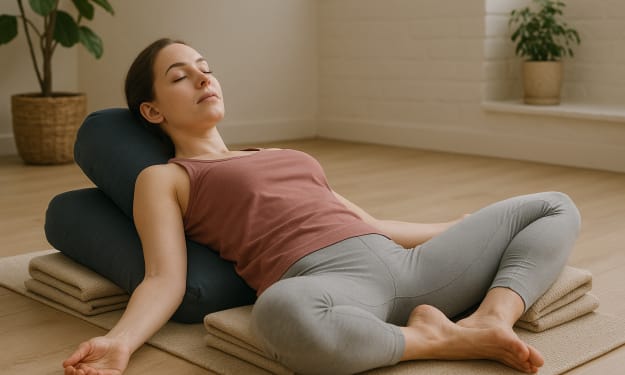
5. Corpse Pose (Savasana)
Benefits: Deep relaxation and stress relief.
How: Lie flat on your back, arms at sides, eyes closed.
Building Your Routine
Starting a home yoga routine doesn't require hours of commitment. Even 10-15 minutes a day can bring noticeable benefits. Consider this sample beginner routine:
- Warm-Up (2-3 minutes): Gentle neck rolls, shoulder rolls, wrist stretches.
- Main Poses (8-10 minutes): Practice 4-5 foundational poses.
- Cool Down (2 minutes): End with Savasana and focus on your breath.
Tips for a Successful Home Practice
- Stay Consistent: Create a regular routine by setting reminders, marking your calendar, or tying yoga to a daily habit like morning tea.
- Listen to Your Body: Progress may be slow, and that’s okay. Pay attention to discomfort versus pain and modify or skip poses as needed.
- Use Online Resources: Leverage the abundance of free and paid content online. Find instructors whose style and voice resonate with you to stay motivated.
- Track Progress: Note how you feel before and after each session. Recording changes in flexibility, strength, and mood helps maintain motivation.
- Combine with Mindfulness: Incorporate breathwork (pranayama) and short meditations to enhance mental focus, reduce stress, and ground yourself.
- Eliminate Distractions: Turn off notifications, silence your phone, and inform housemates of your practice time to preserve your focus.
The Benefits You'll Experience
With consistent practice, you'll likely notice:
- Increased Flexibility and Strength: Regular stretching improves joint range of motion and muscle tone, which can help reduce risk of injury and ease daily movements.
- Better Posture and Balance: Many yoga poses engage core and stabilizing muscles, promoting better alignment and reducing strain on the spine.
- Reduced Stress and Anxiety: Breathing techniques and meditative aspects of yoga activate the parasympathetic nervous system, calming the mind and reducing cortisol levels.
- Enhanced Focus and Mental Clarity: Mindful movement and controlled breathing improve cognitive function and help you stay present throughout the day.
- Improved Sleep Quality: Yoga has been shown to help people fall asleep faster, stay asleep longer, and feel more rested due to its relaxing effects on the nervous system.
- Boosted Energy and Mood: Movement, especially in the morning, stimulates circulation and releases endorphins, helping you feel more energized and positive.
Yoga is more than just physical exercise; it's a holistic practice that nurtures body, mind, and spirit. Starting your journey at home allows you to build a personalized, meaningful practice that evolves with you. Remember, every yogi was once a beginner. Be patient with yourself, stay curious, and most importantly—enjoy the process.
Start your home yoga practice today, and embrace the transformation one breath at a time.
About the Creator
Richard Bailey
I am currently working on expanding my writing topics and exploring different areas and topics of writing. I have a personal history with a very severe form of treatment-resistant major depressive disorder.
Keep reading
More stories from Richard Bailey and writers in Longevity and other communities.
Restorative Yoga Benefits: Why You Should Try It
In today's fast-paced, constantly connected world, stress and anxiety have become commonplace. For many, the idea of slowing down can feel foreign or even uncomfortable. Enter restorative yoga, a gentle, calming practice that invites stillness, healing, and deep relaxation.
By Richard Bailey10 months ago in Longevity
Why Resilience is a Hardware Problem
Burnout does not vanish through willpower alone. Because biological systems obey physical rules, nerves fatigue under persistent strain. Thought runs up against hard thresholds when stress becomes constant. The brain operates within metabolic constraints that limit sustained effort. When pressure continues too long, recovery demands more than mental adjustment. Neural circuits degrade without rest. Unlike machines, people do not reboot after overload. Biology requires downtime to repair. Pushing harder disrupts deeper functions. Rest is not optional; it follows from how living tissue works. System failure emerges quietly until capacity collapses. Repair needs time apart from demand.
By Dr Marc Nock, DDS4 days ago in Longevity
Amazon Savings Secrets for Disabled & Chronically Ill Shoppers
Disabled and chronically ill people often pay more for basic life: delivery fees, specialty items, replacements for things that break faster, and the constant “convenience tax” of needing things shipped because stores aren’t accessible.
By Tracy Stinea day ago in Longevity
Tatt~Master
— Assembly Line Tatt Machine ~ Impressions to Impress — As I begin to understand more about the Tattoo Phenomenon. I've written silly, yet verbatim, dating site anecdotes in 'Frazzled.' So let me ask you: Would you be More attracted to someone slathered with tattoos, or Less?
By Jay Kantor4 days ago in Humor


Comments
There are no comments for this story
Be the first to respond and start the conversation.