
Why the Power May Not Go Out Until After the Storm Has Passed
How electricity grids stay on during storms and why outages often come later

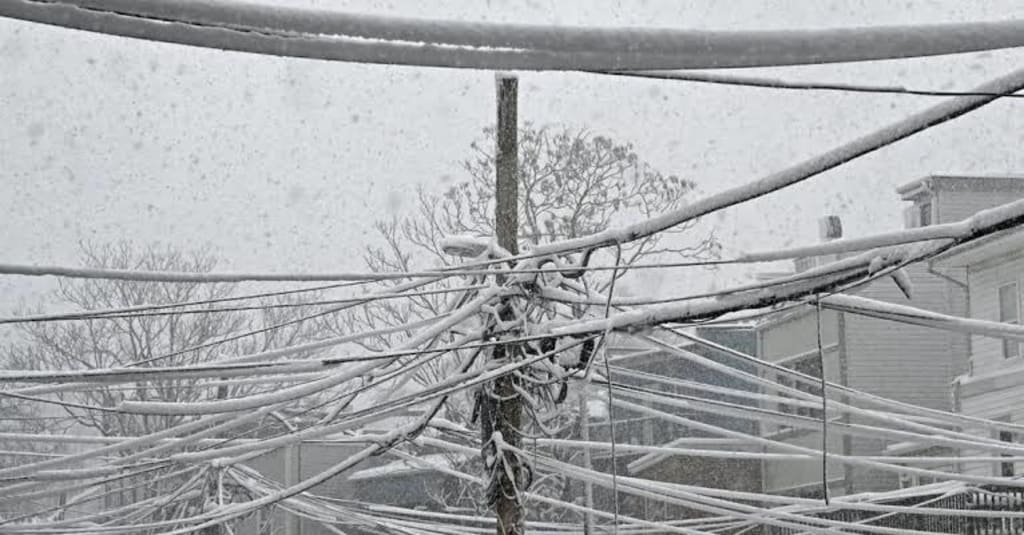
Understanding the hidden resilience of the electricity grid
When storms approach, many people immediately worry about losing power. Yet, in many cases, the electricity stays on until the storm is over, leaving some to wonder why outages don’t happen instantly when heavy rain, strong winds, or lightning strike. The answer lies in how power grids are designed, managed, and protected to balance reliability with safety.
Power systems are built to withstand temporary disruptions, but certain conditions make it safer to maintain electricity during a storm until the full impact has been assessed. Understanding these mechanisms can help households and businesses better prepare for extreme weather events.
The Electricity Grid’s Built-In Resilience
Modern power grids are complex networks of generation plants, transmission lines, substations, and distribution networks. Engineers design them with multiple layers of protection to ensure that electricity continues to flow even under adverse weather conditions.
Key features include:
Automatic Circuit Breakers – These devices detect overloads or short circuits and temporarily cut power to affected areas, preventing damage to the larger grid.
Redundant Systems – Many parts of the grid have backup connections, allowing electricity to reroute around damaged sections.
Storm-Hardened Infrastructure – Transmission towers, underground cables, and substations are reinforced to withstand wind, ice, and lightning strikes.
Thanks to these protections, minor disturbances during a storm often do not cause immediate outages, allowing power to remain on while safety systems monitor conditions.
Why Power Stays On During the Storm
Keeping electricity running during a storm is often safer and more efficient than shutting it down preemptively. Some reasons include:
Preventing unnecessary disruption – Power shutdowns can affect hospitals, emergency services, and communication networks. Cutting power too early could create additional hazards.
Monitoring the grid – Operators can assess damage and decide whether targeted outages are necessary. By maintaining power where possible, they reduce widespread impact.
Minimizing restoration time – If power remains on until the storm passes, repairs can begin immediately, reducing overall downtime.
Electric utilities follow strict protocols during extreme weather, continuously monitoring conditions. They aim to balance public safety with grid reliability, only disconnecting power when there is a clear and imminent danger.
Storm-Related Triggers for Power Outages
Despite the grid’s resilience, certain storm conditions can force outages:
Fallen Trees and Debris – Branches or debris can strike power lines, causing immediate interruptions.
Lightning Strikes – Direct hits on substations or transmission lines can trip circuit breakers.
Flooding – Water intrusion into substations or underground vaults can create short circuits.
High Winds – Sustained gusts can damage poles, lines, and transformers.
In most cases, outages occur after these impacts happen, not before or during the initial storm approach. That’s why you may see electricity remain on even as severe weather hits.
Role of Grid Operators During Storms
Electric utilities rely on real-time monitoring and predictive modeling to manage risks. Operators use weather forecasts, satellite imagery, and sensors to detect threats to the grid.
During storms, they:
Adjust voltage and load to stabilize the system
Dispatch repair crews strategically to prioritize critical infrastructure
Activate backup generation to maintain supply if damage occurs
Communicate with the public about potential outages and safety measures
This careful coordination helps prevent unnecessary blackouts while ensuring safety for both people and equipment.
Why Immediate Shutoffs Are Rare
Some people assume that utilities should turn off power before a storm hits, but preemptive shutoffs carry risks:
Impact on essential services – Hospitals, fire stations, water treatment facilities, and communication systems rely on continuous electricity.
Economic disruption – Premature shutdowns can affect businesses, transport, and refrigeration.
Public safety hazards – Darkened streets and traffic signals can increase accidents.
Because of these risks, utilities often wait until the storm’s full effects are evident before disconnecting electricity, focusing instead on targeted, controlled outages.
How Residents Can Prepare
Even with a resilient grid, residents should be ready for potential outages:
Keep flashlights, batteries, and emergency supplies handy
Charge devices and have backup power if possible
Secure outdoor items that could damage power lines during high winds
Avoid using electrical appliances if flooding or water intrusion occurs
Being prepared ensures safety and reduces stress, whether or not the power goes out immediately during a storm.
The Future of Storm-Resilient Power
Utilities are investing in smarter, more flexible grids that can withstand extreme weather better than ever:
Advanced sensors and AI for predicting outages
Undergrounding power lines in vulnerable areas
Microgrids that isolate damage while keeping surrounding areas powered
Renewable energy integration that adds redundancy and reduces reliance on a single source
These innovations aim to make power outages less frequent and shorter, even during increasingly severe storms caused by climate change.
Conclusion
The reason electricity often stays on until after a storm has passed is a combination of engineering, monitoring, and safety protocols. Modern grids are designed to withstand temporary disruptions, and utilities prioritize keeping power flowing while assessing risks.
Storms remain unpredictable, and outages can still occur, but understanding how the grid operates helps residents plan, prepare, and stay safe. By combining grid resilience with individual preparedness, households and businesses can weather storms with minimal disruption and risk.
About the Creator
Fiaz Ahmed
I am Fiaz Ahmed. I am a passionate writer. I love covering trending topics and breaking news. With a sharp eye for what’s happening around the world, and crafts timely and engaging stories that keep readers informed and updated.
Keep reading
More stories from Fiaz Ahmed and writers in Longevity and other communities.
The Peculiar Magic of a Winter Snowstorm
How the world transforms when snow blankets the landscape There is something undeniably magical about a winter snowstorm. As flakes begin to fall, the world seems to slow down. Streets, trees, and rooftops are covered in a soft, white layer that transforms familiar landscapes into scenes of quiet beauty. But beyond its aesthetic charm, a snowstorm is a fascinating blend of nature’s power, science, and subtle wonder.
By Fiaz Ahmed about 11 hours ago in Longevity
Day 4 of Quitting
If this is how sobriety feels, maybe it’s better to go through life a little buzzed… this, along with other hits like, I want to kill myself, I wish I was dead, and I’m going to throw myself off a bridge have been the only thoughts on rotation these past few days. I promise myself that if, in a month, I still feel like this (‘this’ meaning despondent, full of rage, and simultaneously numb) I can go back to smoking. Until mid-February though? Nicotine is off the table.
By sleepy drafts17 days ago in Longevity
Five—One Grounding
Five—Locked in a perpetual battle against my failing senses and reason, I fight to survive, to get through; I am afraid of... nothingandeverythingallatonce—...—my mouth is dry, and my muscles seize up... what can I see? I can see the birdcage and birds; I can see the watercolour my beautiful wife painted many years ago and unlocked her journey into art; I can see the empty mug of tea as it sits perilously on the arm of the sofa; how many is that now? Three down, two to go; I can also see a jackdaw on the roof of our neighbour's house across the road and a bookcase of potential—Five things you can see.
By Paul Stewart6 days ago in Poets



Comments
There are no comments for this story
Be the first to respond and start the conversation.