
The Peculiar Magic of a Winter Snowstorm
How snow transforms the world and awakens wonder in everyday life

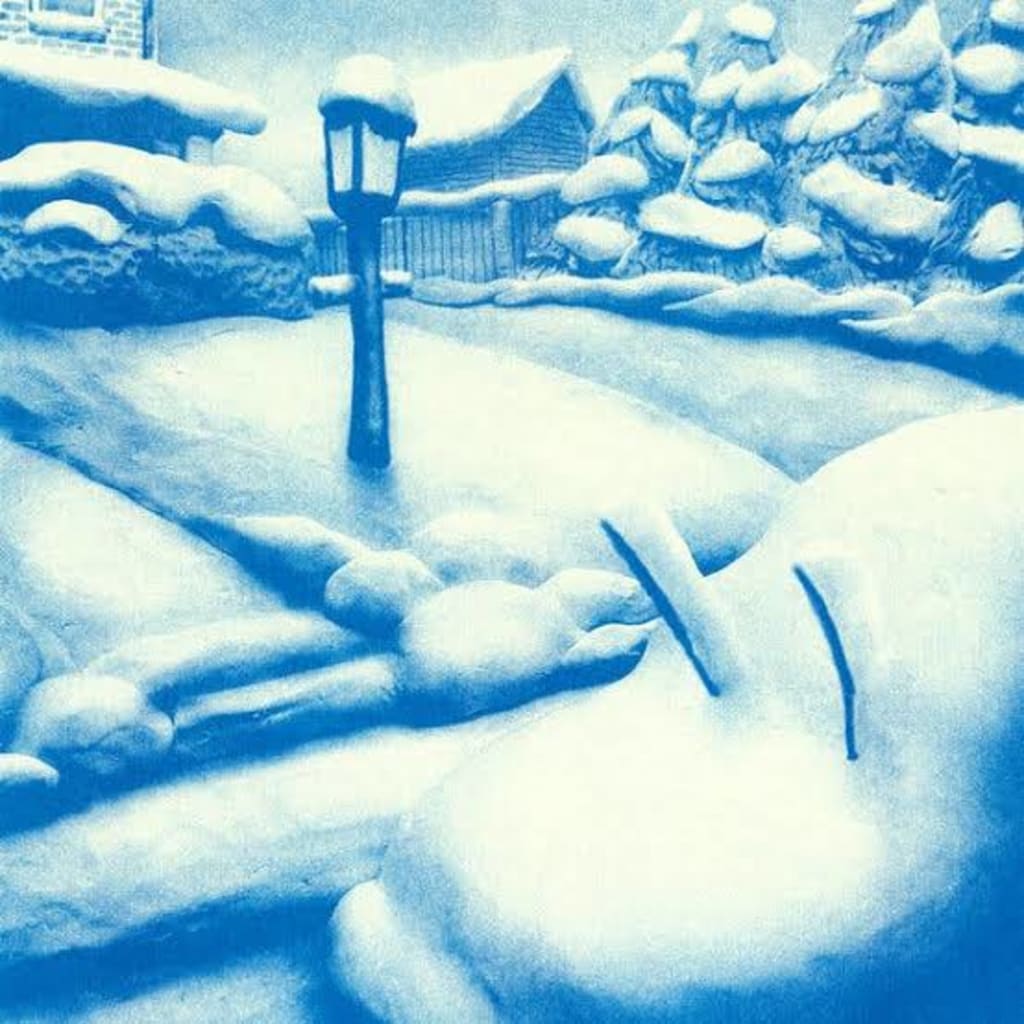
How the world transforms when snow blankets the landscape
There is something undeniably magical about a winter snowstorm. As flakes begin to fall, the world seems to slow down. Streets, trees, and rooftops are covered in a soft, white layer that transforms familiar landscapes into scenes of quiet beauty. But beyond its aesthetic charm, a snowstorm is a fascinating blend of nature’s power, science, and subtle wonder.
On Jan. 24, 2026, at 7:00 a.m. ET, many regions across the northern hemisphere are waking to the sight of fresh snow. For some, it means disruption to travel and daily routines. For others, it is an opportunity to experience the stillness and serenity that only winter can bring.
The Science Behind the Snowstorm
Snowstorms form when moist air rises and cools, causing water vapor to condense into ice crystals. As these crystals stick together, they grow into snowflakes, each with a unique and intricate structure. The conditions in the clouds—temperature, humidity, and wind currents—determine the shape and size of these flakes.
Meteorologists track snowstorms using satellites, radar, and weather models, predicting how much snow will fall, where it will accumulate, and how long it will last. While forecasts may warn of heavy snowfall, the exact timing and intensity of a snowstorm can still surprise even the most experienced experts.
A World Transformed
One of the most remarkable aspects of a snowstorm is the way it changes our environment:
Visual Beauty – Snow softens edges, mutes colors, and creates a blank canvas on which nature and human activity appear renewed.
Sound and Silence – Snow absorbs sound, making streets and forests eerily quiet. The usual hum of traffic or chatter is replaced by a gentle, hushed stillness.
Light and Reflection – Snow reflects sunlight and artificial light in unique ways, giving early mornings and evenings a glow that is often magical to behold.
This transformation can inspire artists, photographers, and writers, as well as ordinary people who take a moment to pause and appreciate nature’s subtle artistry.
The Emotional Effect
A snowstorm can evoke a wide range of emotions:
Wonder and Joy – For children and adults alike, fresh snow invites play, exploration, and creativity, from building snowmen to crafting snow angels.
Peace and Reflection – The quiet stillness encourages mindfulness, contemplation, and even a sense of spiritual calm.
Melancholy or Isolation – For some, especially those dealing with difficult circumstances, snowstorms can bring feelings of loneliness or inconvenience.
Regardless of how one experiences it, a snowstorm often leaves a lasting impression, a memory of both natural power and delicate beauty.
Challenges and Precautions
While snow can be enchanting, it also comes with real-world challenges:
Travel Disruptions – Roads may become slippery, and public transportation can be delayed or canceled. Drivers and pedestrians must exercise caution.
Power Outages – Heavy snow can weigh down tree branches or power lines, causing localized outages.
Health Risks – Cold temperatures, frostbite, and overexertion while shoveling snow are potential hazards.
Experts recommend staying informed via weather alerts, dressing warmly in layers, and avoiding unnecessary travel during heavy snowstorms. Planning ahead ensures safety while still allowing enjoyment of winter’s magic.
Snowstorms in Culture and Literature
Snowstorms have inspired countless cultural works, from literature to film. Writers often use snow as a metaphor for purity, change, or introspection, while painters capture its fleeting beauty on canvas. In folklore, snowstorms can symbolize challenges to overcome, yet also moments of quiet wonder.
Communities in snowy regions often develop traditions around winter storms, from snow festivals to holiday celebrations, highlighting the balance between nature’s power and human resilience.
The Peculiar Magic
What makes a snowstorm truly magical is its ability to blend opposites:
Soft yet powerful – Snowflakes are delicate, yet collectively they can bury landscapes and disrupt life.
Silent yet transformative – The quiet can be overwhelming, yet it reshapes the environment entirely.
Temporary yet memorable – Snow melts, yet the impressions, photos, and experiences endure.
This peculiar magic is why snowstorms continue to captivate people across generations. They remind us that nature can surprise, challenge, and delight simultaneously, all while teaching us to slow down and observe.
Embracing the Storm
Rather than seeing a snowstorm only as a nuisance, embracing its unique qualities can be rewarding. Families may spend time together sledding, skiing, or simply enjoying the view from a warm window. Photographers and writers may find inspiration in the unusual lighting and patterns.
Even scientists and meteorologists, who focus on the practical aspects of prediction and safety, often marvel at the complex interplay of weather forces that creates each snowstorm.
Conclusion
A winter snowstorm is more than just falling snow; it is a blend of science, beauty, and emotion. From the unique formation of each flake to the quiet transformation of the landscape, snowstorms remind us of the power and poetry of nature.
About the Creator
Fiaz Ahmed
I am Fiaz Ahmed. I am a passionate writer. I love covering trending topics and breaking news. With a sharp eye for what’s happening around the world, and crafts timely and engaging stories that keep readers informed and updated.
Keep reading
More stories from Fiaz Ahmed and writers in Longevity and other communities.
Black and White and Sent Back Over: End of Panda Diplomacy as Japan Returns Bears to China
Japan returns pandas to China, marking a shift in a long-standing diplomatic tradition Japan has officially returned two giant pandas to China, signaling the end of a chapter in the practice often called “panda diplomacy.” The bears, who have lived in Japanese zoos for nearly two decades, will now be relocated to conservation facilities in China.
By Fiaz Ahmed about 7 hours ago in Longevity
Day 4 of Quitting
If this is how sobriety feels, maybe it’s better to go through life a little buzzed… this, along with other hits like, I want to kill myself, I wish I was dead, and I’m going to throw myself off a bridge have been the only thoughts on rotation these past few days. I promise myself that if, in a month, I still feel like this (‘this’ meaning despondent, full of rage, and simultaneously numb) I can go back to smoking. Until mid-February though? Nicotine is off the table.
By sleepy drafts17 days ago in Longevity
Home Healthcare Market Trends, Size & Forecast 2025–2033 | Renub Research
Introduction: Healthcare Is Moving Home Healthcare delivery is undergoing a fundamental shift. Hospitals and long-term care facilities, once the default destinations for medical treatment, are increasingly being replaced by patient-centric home healthcare models. With populations aging rapidly, chronic diseases on the rise, and healthcare costs escalating worldwide, home healthcare has emerged as a practical, efficient, and humane alternative.
By Sushant. Renub Researcha day ago in Longevity
Affection and Healing for Yourself
During the night of the last quarter moon, I gathered my ritual supplies. I carefully handled the chunk of black tourmaline that would protect me from your overall negative and narcissistic energy. I carefully walked the house with my stick of selenite in hand, asking the universe to cleanse our working space.
By Alisha Wilkins ✒️🦋🖋️5 days ago in Fiction



Comments
There are no comments for this story
Be the first to respond and start the conversation.