
“When Pain Never Comes: Living in the Untouchable World of Congenital Insensitivity to Pain”
A rare genetic glitch that turns pain off—but turns life’s everyday risks way up.
The Little Girl Who Didn’t Cry
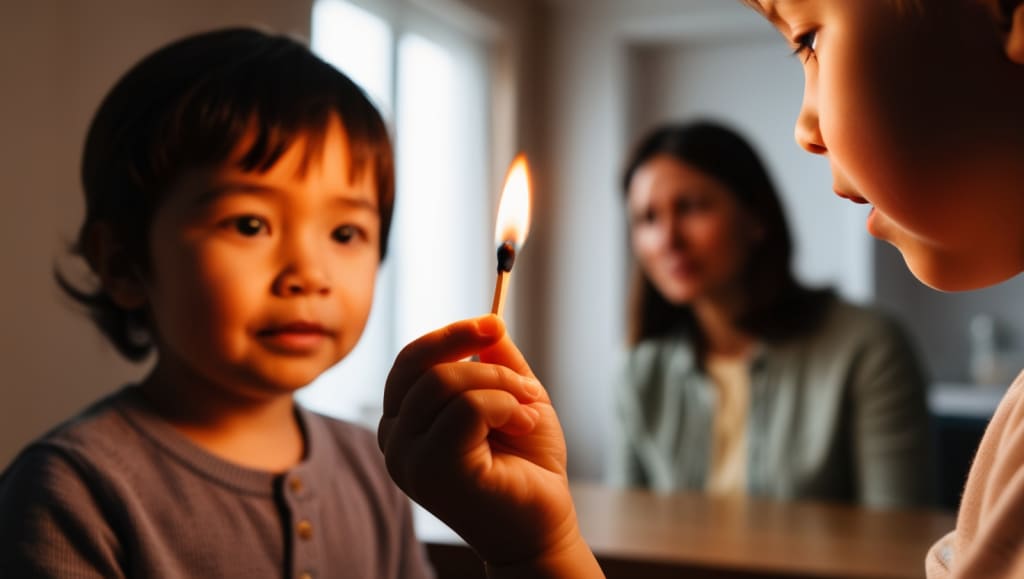
When Ashlyn Blocker, aged three, placed her small hand on a hot iron, she did not cry. Instead of screams, it was the odor of her burnt skin that caught her mother's attention. Soon after, doctors explained this puzzling situation to the family: it was called Congenital Insensitivity to Pain (CIP), a rare neurological condition. Fewer than one in a million individuals are born unable to feel pain. Although this might seem like a gift, it soon becomes obvious that pain serves as an essential warning system for our safety.
What Actually Happens in the Body?
CIP typically arises from genetic mutations, primarily in the SCN9A or NTRK1 genes, which interfere with the sodium channels that nerves utilize to communicate pain signals to the brain. While sensations like touch, temperature, and pressure function as usual, the body fails to deliver the "ouch" signal. Children experiencing CIP frequently bite their tongues, walk on broken ankles, or get severe burns without anyone realizing there's an issue. Picture a life where regular medical check-ups involve thorough visual examinations, as bruises, sprains, and even appendicitis occur without any signs of alert.
The Double‑Edged Sword of “Invincibility”
Parents of children with CIP often find themselves in a difficult situation where they promote normal activities while also worrying about safety on playgrounds. For instance, Ashlyn had a serious eye infection that she made worse by rubbing her eye, which led to a corneal ulcer. Another child, Zaid, suffered a broken collarbone during a soccer game but continued playing and even requested ice cream afterward, mistakenly thinking the sound he heard was just a crunch. Each seemingly fearless child is backed by a family that remains constantly vigilant, as being pain-free doesn’t imply lack of injuries; instead, it means harm can build up quietly over time.
Day‑to‑Day Survival Hacks
1.Visual Injury Checks – Parents perform nightly “toe‑to‑scalp” scans. Tiny mirror stickers line bathroom walls so kids can spot wounds on backs or elbows.
2.Temperature‑Sensing Gadgets – Color‑changing spoons, baby‑bottle thermometers, and bath‑water strips replace the burn reflex.
3.Soft‑Cornered Furniture – Coffee‑table bumpers and plush play mats reduce blunt‑force trauma indoors.
4.Behavioral Scripts – Children learn to report anything “wet, red, or swollen” immediately, even if it doesn’t hurt.
5.School Action Plans – Teachers keep ice packs, antiseptic wipes, and checklists handy; nurse visits are routine, not occasional.
Emotional Toll: The Pain of Not Feeling
Ironically, the burden of CIP can be quite significant. Children often find it difficult to integrate socially; their peers might not understand why a child doesn't cry over a scraped knee or why a soccer practice leads to X-rays. Teenagers may engage in risk-taking behavior; if pain doesn't prevent them from trying dangerous things, peer pressure likely will not help either.
On the other hand, parents face ongoing worry: How can they grant their child independence when even a minor injury like a sprained neck could lead to serious consequences if unnoticed? Families often express feelings of "empathetic burnout," as the emotional toll of caring for someone who lacks the ability to recognize danger can be exhausting. Seeking support for mental health is just as important as having regular orthopedic check-ups.
Science on the Horizon
Researchers investigate CIP not just to assist patients, but also to discover more effective pain management solutions for everyone. By comprehending how SCN9A mutations deactivate nociceptors, there is potential to create non-addictive pain medications that work specifically in one area rather than throughout the entire body. Initial gene-editing tests in mice look promising, and CRISPR-based treatments may eventually help regain some pain sensitivity. In the meantime, the focus is on prevention, physical therapy to promote joint well-being, and community support that offers useful advice.
A Hidden Gift?
Though living with CIP can be challenging and lacks romance, it can bring surprising benefits for some families. Ashlyn’s parents share that her condition has taught them to appreciate the little things, such as celebrating her achievements like learning to use oven mitts or noticing when her classmates show signs of distress. This situation also teaches everyone about empathy; siblings take on the role of protective “bodyguards,” keeping a close eye out for any signs of injury like sore ankles or cuts on fingers.
How You Can Contribute :
1.You can aid organizations like the Indifference to Pain Network or Rare Disease Foundation by donating or volunteering.
2.Raise Awareness—post reliable information on social media to help dispel the misconception that CIP simply means having a “high pain tolerance.”
3.Back Research by participating in crowdfunding campaigns focused on gene therapy and cutting-edge prosthetic sensors .
Conclusion:
Pain, which we often complain about, actually plays a crucial role in our lives. CIP teaches us the valuable lessons contained within each painful moment, like a burn or a stubbed toe. Living without pain does not mean a life free of impact; it’s similar to walking a tightrope without any support. As researchers explore the genetic aspects of CIP, they get closer to a time when we can deactivate pain during surgery—or reactivate it when our survival is at stake.
Additional Reading: National Institutes of Health Genetic and Rare Diseases Information Center—Congenital Insensitivity to Pain
(https://rarediseases.info.nih.gov/diseases/1487/congenital-insensitivity-to-pain)
About the Creator
Keep reading
More stories from Shahjahan Kabir Khan and writers in Longevity and other communities.
Fitness Fads That Failed (And What Actually Works in 2025)
At the beginning of the 2020s, the fitness scene resembled a vibrant carnival; there were brightly lit spin studios, boot camps at dawn blasting EDM while participants did burpees, TikTok challenges that promised quick abs, and “miracle” devices that claimed to shape the body through wobbling, shocking, or vacuum-sealing methods.
By Shahjahan Kabir Khan7 months ago in Longevity
Day 4 of Quitting
If this is how sobriety feels, maybe it’s better to go through life a little buzzed… this, along with other hits like, I want to kill myself, I wish I was dead, and I’m going to throw myself off a bridge have been the only thoughts on rotation these past few days. I promise myself that if, in a month, I still feel like this (‘this’ meaning despondent, full of rage, and simultaneously numb) I can go back to smoking. Until mid-February though? Nicotine is off the table.
By sleepy drafts12 days ago in Longevity


Comments
There are no comments for this story
Be the first to respond and start the conversation.