
Fitness Fads That Failed (And What Actually Works in 2025)
Why your favorite influencers are ditching HIIT and switching to this.
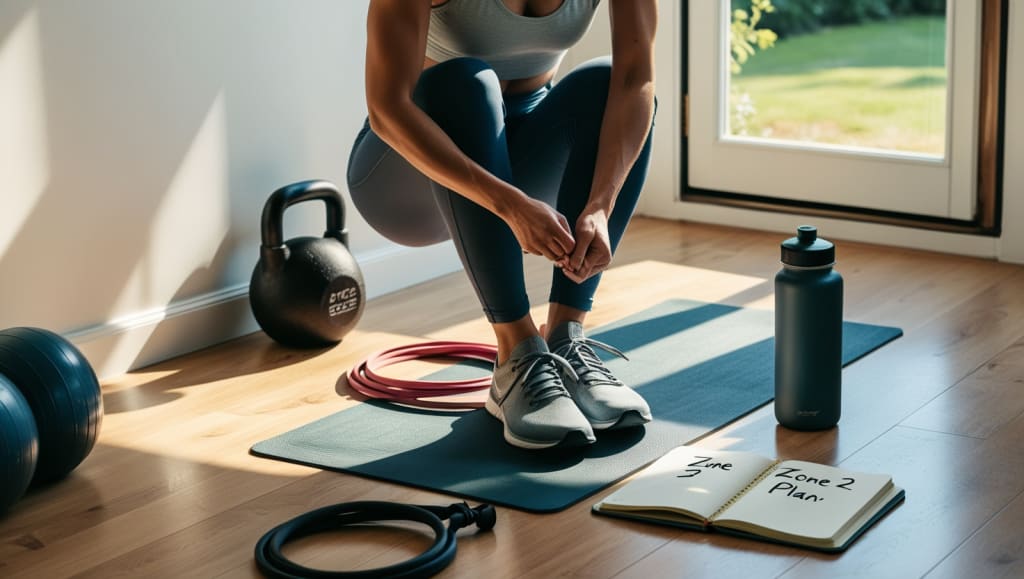
At the beginning of the 2020s, the fitness scene resembled a vibrant carnival; there were brightly lit spin studios, boot camps at dawn blasting EDM while participants did burpees, TikTok challenges that promised quick abs, and “miracle” devices that claimed to shape the body through wobbling, shocking, or vacuum-sealing methods.
Jump ahead to 2025, and the carnival atmosphere has settled down . Many of the loud trends have disappeared, giving way to more effective methods that focus on science, sustainability, and mental health. If you're curious about why former fitness influencers now share videos of slower treadmill sessions, heavy lifting, and calming mobility routines instead of exhausting jump-squats, keep reading.
🚩 Five Fitness Fads That Finally Flopped
1.All‑Out‑Every‑Day HIIT
What happened? High‑Intensity Interval Training still works—but not seven days a week. Over‑use led to burnout, stalled progress, and a spike in stress‑hormone complaints.
2025 verdict: HIIT is now a side dish, not the entrée. Most trainers cap it at two sessions per week.
2.Waist‑Trainer Corsets
What happened? They squeezed organs, didn’t shrink fat, and caused breathing issues. Influencers faced backlash for promoting false “hourglass” expectations.
2025 verdict: Abandoned in favor of core‑strength drills and posture work.
3.Detox Tea & “Skinny Coffee” Workouts
What happened? Laxative‑laden teas were exposed for causing dehydration rather than fat loss. Even marketing‑heavy brands couldn’t survive consumer lawsuits and new labeling laws.
2025 verdict: Replaced by dietitian‑approved gut‑health protocols.
4.30‑Day Extreme Challenges
What happened? Programs promising huge results in a month produced yo‑yo weights and injury spikes. People realized transformation is a marathon, not a sprint.
2025 verdict: Micro‑habit streaks—like “move 20 minutes daily”—took their place.
5.Vibration Belts & EMS Gadgets
What happened? Claims of “passive six‑pack building” never matched real‑world data. By 2024, independent studies revealed negligible calorie burn.
2025 verdict: Gathering dust in closets, replaced by planks, hollow holds, and pilates.
🧠 Why These Fads Failed
Unsustainable stress: Chronic all‑out workouts push cortisol high and recovery low.
Poor evidence: Many trends hit the market with glossy branding but flimsy data.
Mental health backlash: The pandemic taught us movement should heal, not harm.
Transparency laws: 2023–24 regulations forced companies to prove claims—many couldn’t.
Consumer maturity: We’ve become savvier, choosing longevity over instant gratification.
✅ What Actually Works in 2025 (and Why Influencers Swear by It)
1.Zone 2 Cardio & Rucking
What it is: Low‑to‑moderate heart‑rate training (roughly 60 – 70 % of max) or weighted walking (rucking) with a backpack.
Why it works: Builds mitochondrial density, supports fat metabolism, and is gentle on joints. Influencers share Strava screenshots instead of heart‑rate‑redline selfies.
How to start: 45–60 minutes of brisk walking, easy jogging, or incline treadmill a few times per week—conversation pace is key.
2.Progressive Strength Training
What it is: Classic compound lifts (squats, deadlifts, presses) with gradual load increases.
Why it works: Stimulates muscle growth, boosts metabolism, strengthens bones, and improves body composition more reliably than gimmicks.
How to start: Two full‑body sessions weekly using dumbbells, resistance bands, or even body weight plus backpacks at home.
3.Mobility & “Pre‑Hab” Flows
What it is: Dynamic stretches, joint‑circling routines, foam rolling—often mixed with yoga or animal‑flow moves.
Why it works: Prevents injury, improves posture, and balances nervous‑system stress from heavier training.
How to start: 10‑minute mobility warm‑ups before workouts; a 20‑minute dedicated flow on rest days.
4.Micro‑Habit Stacking
What it is: Short bouts of movement sprinkled through the day—desk push‑ups, five‑minute walks, stair bursts.
Why it works: Evidence shows breaking prolonged sitting with mini‑exertions lowers blood sugar and boosts mood.
How to start: Set hourly phone alarms; pair every coffee refill with 20 bodyweight squats.
5.Holistic Recovery (Sleep & Breathwork)
What it is: Prioritizing 7–9 hours of sleep, nasal breathing drills, and parasympathetic “downshifts” like meditation.
Why it works: Recovery is where adaptation happens. Lower stress hormones mean better fat loss, muscle gain, and cognitive clarity.
How to start: Consistent bedtime, dark cool room, 5‑minute box‑breathing before sleep.
🏠 A Sample Week That Actually Delivers
Day Morning Mid‑Day Evening
Mon Strength (45 min) – 10‑min stretch
Tue Zone 2 walk (60 min) Desk mobility –
Wed Mobility flow (20 min) – Breathwork
Thu Strength (45 min) Stair bursts –
Fri Zone 2 ruck (50 min) – Foam roll
Sat HIIT sprinkle (20 min) – Leisure walk
Sun Rest & Sleep Reset Gratitude journaling Light yoga
(Notice HIIT appears once, not daily.)
✨ Influencers’ New Mantra: “Train for Life, Not Likes”
Scroll TikTok in 2025 and you’ll notice thumbnails of:
Creators bragging about heart‑rate zones instead of calorie scorches.
Side‑by‑side progress pics taken years apart, not weeks.
Rest‑day posts celebrating eight‑hour sleep streaks.
They’ve learned that genuine credibility—and follower trust—comes from promoting what’s sustainable. HIIT clickbait is out; longevity flex is in.
🔑 How to Evaluate Your Next Fitness Trend
Check the science: Look for peer‑reviewed studies, not influencer discount codes.
Ask about sustainability: Could you happily do it in five years?
Monitor recovery: If sleep, mood, or libido crash, it’s a red flag.
Beware absolutes: Any plan claiming “one secret” or “every day or nothing” likely fails long term.
Feel vs. look: Prioritize energy, strength, and mobility over scale numbers alone.
Final Thoughts
Fads fade because they ignore the body’s simple truth: lasting fitness is a mix of moderate effort, progressive strength, adequate recovery, and joyful movement.
2025’s most successful routines embrace that truth. They’re quieter, slower, and—ironically—far more powerful.
So the next time you’re tempted by a shiny gadget or a 30‑day shred, remember: the real flex isn’t sweating until you puke. It’s waking up every day, pain‑free, energized, and ready to live.
About the Creator
Keep reading
More stories from Shahjahan Kabir Khan and writers in Longevity and other communities.
Digital Detox for the Soul: How Unplugging Transforms Your Health in 72 Hours
Three days without checking your phone last occurred when? If you are among the majority of people between 22 and 45, your phone probably seems to be always present, following you from the minute you get up until you go to sleep . There was no unending scrolling, no compulsive refreshing, and no continual notifications in your pocket. But the reality is that this constant communication is secretly tiring us. The answer is a 72-hour respite from digital devices—a robust, research-supported reset that can greatly improve your mental, emotional, and physical health.
By Shahjahan Kabir Khan9 months ago in Longevity
5 Best Breakfast Foods for Better Blood Sugar, Recommended by Dietitians
KEY POINTS Skipping or not optimizing breakfast can impact blood sugar levels. A breakfast rich in fiber, protein and healthy fats can help stabilize blood sugar. Balanced breakfasts, like overnight oats, provide blood-sugar-stabilizing nutrients.
By Good health to everyone3 days ago in Longevity
Pink Salt Bricks: Natural Support for Asthma Relief
Understanding Himalayan Salt Therapy? Starting deep underground, air fills with fine grains during Himalayan salt sessions. Though built indoors, these spaces mimic old mines across Eastern Europe - places linked to easier breathing among workers long ago.
By Emily Rosie5 days ago in Longevity
Hottest in the Office
Dear Rafi, You’re very distracting to work around. For the first second I saw you the other day, I thought you were some type of executive. It took a moment to realize no, you were just the new guy, dressed up for the job he wants. Be still, my heart.
By Gabriel Shames4 days ago in Pride



Comments
There are no comments for this story
Be the first to respond and start the conversation.