
What Is Premature Ejaculation?
1. Understanding the Causes, Types, and Treatments of This Common Sexual Concern

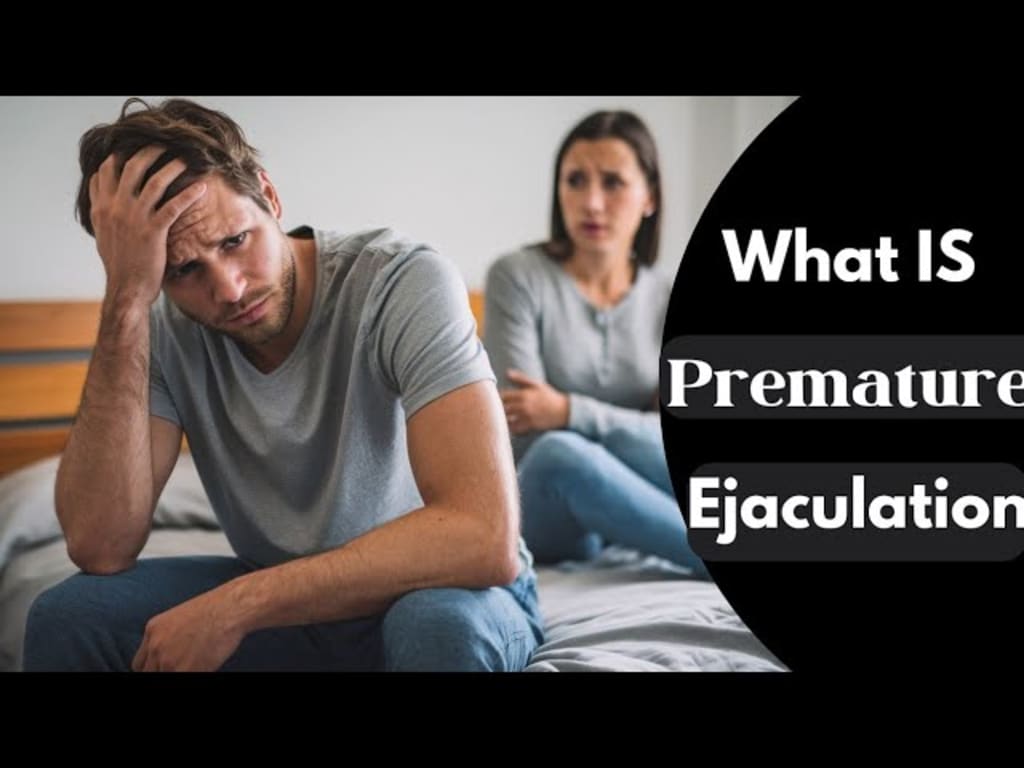
What Is Premature Ejaculation?
Premature ejaculation (PE) is one of the most common male sexual disorders, affecting a significant number of men at some point in their lives. It is defined as a condition in which a man ejaculates sooner during sexual activity than he or his partner would like. Although the occasional quick climax is normal and nothing to worry about, frequent and consistent premature ejaculation can lead to frustration, anxiety, and strained relationships.
Definition and Types
Premature ejaculation is generally categorized into two main types: lifelong (primary) and acquired (secondary).
Lifelong Premature Ejaculation: This form of PE has been present since a man’s first sexual experiences. Men with lifelong PE usually ejaculate within one minute of penetration, almost every time they have sex.
Acquired Premature Ejaculation: In this case, the man may have previously had normal ejaculatory control but developed PE later in life. The timing may be longer than in lifelong PE but still occurs faster than desired, often within three minutes of penetration.
There is no strict time limit that defines PE for everyone. The key factor is the lack of control and the resulting distress it causes for the individual or couple.
Causes of Premature Ejaculation
The exact causes of PE are not fully understood, but a combination of psychological and biological factors is believed to play a role.
Psychological Causes:
Performance Anxiety: Worrying about sexual performance can contribute to PE, especially in new relationships or after a previous negative sexual experience.
Depression or Stress: Mental health conditions, including general stress and depression, can impact sexual function.
Relationship Issues: Emotional closeness and communication difficulties may exacerbate the condition.
Biological Causes:
Hormonal Imbalances: Abnormal levels of serotonin or other neurotransmitters may affect ejaculation timing.
Genetic Factors: Some studies suggest a genetic predisposition to PE.
Infections or Inflammation: Certain medical conditions, such as prostatitis or urethritis, can affect ejaculation.
Erectile Dysfunction (ED): Men with ED may rush to climax before they lose their erection, which can lead to PE.
Diagnosis
Diagnosis is generally based on a detailed medical and sexual history. There is no specific laboratory test for PE. Doctors may ask questions about the timing of ejaculation, the frequency of episodes, and the emotional impact. In some cases, a physical exam or tests may be done to rule out other conditions such as infections or hormonal imbalances.
Treatment Options
The good news is that PE is highly treatable. The choice of treatment depends on the underlying cause, the severity of the condition, and individual preferences.
Behavioral Techniques:
Start-Stop Technique: The man or couple pauses sexual activity before ejaculation to regain control.
Squeeze Technique: Applying pressure to the penis before ejaculation to delay climax.
Pelvic Floor Exercises (Kegels): Strengthening the pelvic muscles may help improve control over ejaculation.
Psychological Therapy:
Counseling or sex therapy can help address emotional and psychological issues that may contribute to PE. Therapy is particularly useful when anxiety, relationship problems, or trauma are involved.
Medications:
Topical Anesthetics: Creams or sprays that numb the penis to reduce sensation.
Antidepressants: Certain SSRIs (Selective Serotonin Reuptake Inhibitors), such as paroxetine or sertraline, can delay ejaculation.
Painkillers: In some cases, medications like tramadol may be prescribed.
It’s important to use these medications under a doctor’s supervision, as they may have side effects or interact with other drugs.
Conclusion
Premature ejaculation is a common and treatable condition that affects many men around the world. Though it can be distressing, there are effective solutions ranging from behavioral techniques and therapy to medications. Open communication with a healthcare provider—and with one’s partner—can make a significant difference in managing PE and improving sexual satisfaction. Rather than suffering in silence, seeking help is the first step toward a healthier and more fulfilling sex life.
Hi everyone IF You Like our Articles Than Please Subscribe For more and support us ☺️ 🙏
About the Creator
Hot News
I am Doctor Ai Welcome To My Page . I Write The Most Important Article On Womens And men's Life And their Sexual, lifestyle , and their relationship problems. These Articles are very helpful For you so read it it will help you more .
Day 4 of Quitting
If this is how sobriety feels, maybe it’s better to go through life a little buzzed… this, along with other hits like, I want to kill myself, I wish I was dead, and I’m going to throw myself off a bridge have been the only thoughts on rotation these past few days. I promise myself that if, in a month, I still feel like this (‘this’ meaning despondent, full of rage, and simultaneously numb) I can go back to smoking. Until mid-February though? Nicotine is off the table.
By sleepy drafts6 days ago in Longevity


Comments
There are no comments for this story
Be the first to respond and start the conversation.