

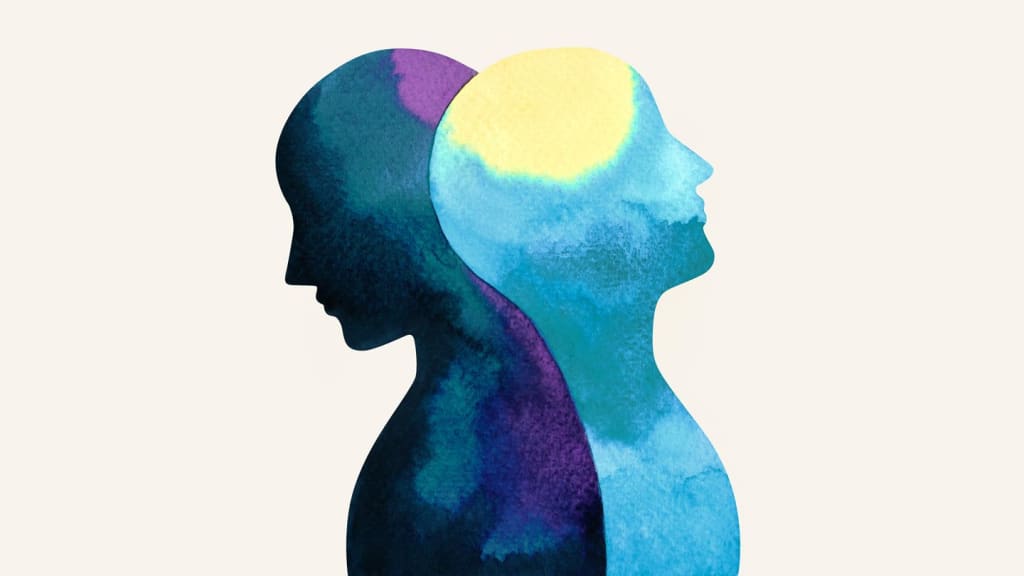
If you have ever noticed then you will know that sometimes our mood is very good and sometimes very bad. Some days we feel very irritable and sometimes very happy. So don't worry, it is very normal, but if you have too many and many types of mood swings, then it can be dangerous for you and you may have become a victim of some brain related disorder. Bipolar disorder is one of the few disorders of the brain, in which the sufferer complains of frequent mood swings. It can spoil your daily life as well as spoil the environment around you. Even sometimes your relationships can be affected due to this. Let us know what is this disorder and its symptoms? But before that we will know some facts about it .
Facts about Bipolar Disorder
Before knowing about Bipolar Disorder, let us throw light on some of its facts-
Bipolar Disorder is known as manic depression .
It is a mood disorder characterized by mood swings ranging from high bipolar mania to low depression.
The victims of this disorder are usually adults around the age of 20 years.
Bipolar Disorder is often mistaken for depression by women and schizophrenia by men, due to which it is not diagnosed.
Apart from these, sometimes some people misdiagnose this disorder considering it as Borderline Personality Disorder.
If this disorder is not treated , then it can also be fatal, sometimes they even try to commit suicide and may even harm themselves.
According to the National Institute of Mental Health, about 2.6 percent of American adults have bipolar disorder (formerly known as manic depression and manic depressive disorder). These mood swings can range from "high" (feeling on top of the world) to "low" (feeling sad and hopeless) to depression. Suicide attempts are quite common in people suffering from bipolar disorder, especially during depressive episodes.
Bipolar disorder can be effectively treated with medication and psychotherapy. With proper treatment, a person with bipolar disorder can lead a good and productive life. This is why it is so important to recognize the symptoms and see a mental health professional for an evaluation.
Bipolar in Women – Symptoms in women
In many cases, women can feel these symptoms-
This happens at the age of 20 or 30.
mild episodes of mania
Depressive episodes are more common than manic episodes
Manic or depressive attacks 4 or more times a year
experiencing other conditions at the same time, such as thyroid disease, obesity, anxiety disorders, and migraines
risk of alcohol use disorder
Bipolar in Men – Symptoms in Men
Men may experience bipolar disorder symptoms differently than women. Men with bipolar disorder may:
should be recognized early
men experience more severe manic episodes
break things
unable to function during a manic episode
Men with bipolar disorder are less likely than women to seek medical care. Also, they are more likely to die by suicide.
Bipolar in Children – Symptoms in Children
Causes of Bipolar Disorder Symptoms in a child may include:
acting very silly and feeling overly happy
talking on fast and rapidly changing topics
having trouble concentrating or concentrating
doing risky things or behaving risky
quick temper
Trouble sleeping and feeling tired after a lack of sleep
complaining of feeling unwell, such as a headache or stomach ache
eating too little or too much
thinking about death and suicide
Treatment for Bipolar Disorder
There are many types of treatments available for the treatment of bipolar disorder, which include medication, counseling, psychotherapy, lifestyle changes, and some home remedies. Which are as follows-
medicines
Take these medicines in Bipolar Disorder -
mood stabilizers
antipsychotics
antidepressant-antipsychotics
anti-anxiety medication such as alprazolam (Xanax), which may be used for short-term treatment
psychotherapy
Use these psychotherapy-
Cognitive behavioral therapy or cognitive behavioral therapy is a type of talk therapy.
Psychoeducation is a form of counseling that helps you and your loved ones understand bipolar disorder.
Interpersonal and social rhythm therapy (IPSRT) focuses on controlling daily habits, such as sleeping, cooking, and exercising.
lifestyle changes
You can also get rid of Bipolar Disorder by making some changes in your lifestyle-
keep a regular eating and sleeping routine
learn to recognize mood swings
ask a friend or relative to support your treatment plans
Talk to a doctor or licensed health care provider
About the Creator
7 Habits That Can Spike Your Morning Blood Sugar
Blood sugar levels that are consistently high in the morning can happen for a variety of reasons. Habits such as poor-quality sleep, intense evening exercise, nighttime snacks or alcohol, and skipping dinner can all contribute to high morning blood sugar, as can insulin timing and type.
By Good health to everyone5 days ago in Longevity
Early March 2026: 4 Goals Accomplished
It's early March and I've now accomplished my 4th writing goal for the year of 2026. Before diving into the behind-the-scenes of it... why not tell you up front what that accomplishment was? I was published in a 2nd publication for this year. Published in Helix Literary Magazine out of Central Connecticut State University. You can read it for free right now!
By Stephen Kramer Avitabile4 days ago in Writers




Comments
There are no comments for this story
Be the first to respond and start the conversation.