
Scientific Weight Loss 101: How to Use BMI and Body Fat Percentage to Sculpt the Perfect Body
The Struggle of Losing Weight and Finding the Right Approach


Weight loss can feel like an endless battle for many. We try countless diets, workouts, and trends, but the results don’t always live up to our expectations. This struggle often stems from not understanding our body’s true needs and how to effectively assess where we stand. Enter BMI (Body Mass Index) and body fat percentage—two crucial metrics that can make all the difference when it comes to achieving a healthy, sustainable weight loss.
Why are these two indicators so important? They offer a clearer, more scientific way to assess your body composition beyond simply looking at the number on the scale. In this article, we'll break down the basics of BMI and body fat percentage, show you how to use them for weight loss, and share real-life examples of people who’ve used this science to transform their bodies.
What is BMI (Body Mass Index)?
BMI is a simple calculation used to assess whether you have a healthy weight for your height. It’s calculated by dividing your weight (in kilograms) by your height (in meters) squared. But what does this really tell you?
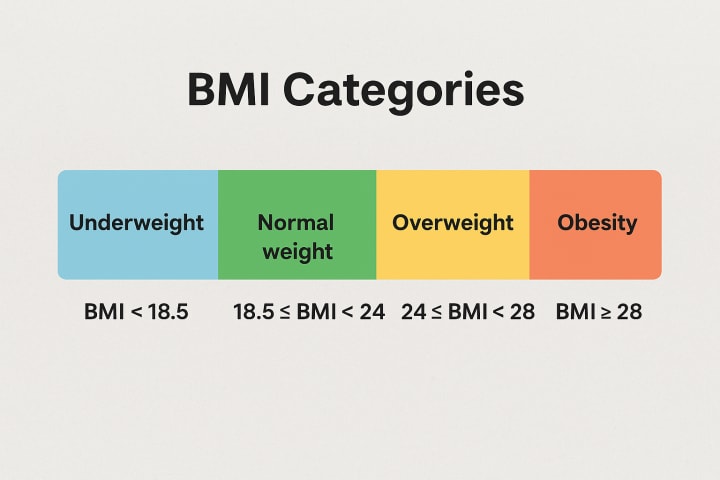
Underweight: BMI < 18.5
Normal weight: 18.5 ≤ BMI < 24
Overweight: 24 ≤ BMI < 28
Obese: BMI ≥ 28
While BMI can provide a quick assessment, it's not perfect. It doesn’t differentiate between muscle and fat, which can lead to misinterpretation, especially for athletes or those with a higher muscle mass.
What is Body Fat Percentage?
Body fat percentage, on the other hand, tells us the proportion of fat in our body compared to everything else (like muscles, bones, and water). Unlike BMI, it offers a deeper understanding of your body composition.
Here’s how you can roughly estimate your body fat percentage:
For men: Body fat percentage = 1.2 × BMI + 0.23 × Age – 16.2
For women: Body fat percentage = 1.2 × BMI + 0.23 × Age – 5.4
A healthy body fat range is typically:
Men: 14% to 20%
Women: 20% to 25%
Unlike BMI, body fat percentage directly affects your health and appearance, making it a crucial metric in weight loss.

Scientific Weight Loss Strategy: How to Use BMI and Body Fat Percentage to Your Advantage
To embark on a successful weight loss journey, focus on the following scientific principles:
Balanced Diet: Start by creating a calorie deficit, ensuring you consume fewer calories than your body needs, but don’t go overboard. Nutrition is key! Incorporate whole foods, healthy fats, and lean proteins.
Regular Exercise: Combine aerobic exercise (like running or cycling) with strength training (like weightlifting). This not only burns fat but also builds lean muscle mass, which can help improve your BMI and body fat percentage.
Track Your Progress: Regularly measure your BMI and body fat percentage. These numbers will give you more reliable insights than the scale alone, and they’ll help you stay motivated by showing your progress.
Real Life Examples: The Power of Tracking BMI and Body Fat Percentage
Case #1: Emma’s Transformation
Emma started with a BMI of 29 (obese) and a body fat percentage of 35%. After three months of following a diet plan and incorporating strength training, she lost 25 pounds, reducing her BMI to 24 and dropping her body fat percentage to 23%. Her new numbers weren’t just about looking better—they translated into improved energy levels and a stronger immune system.

Case #2: John’s Journey to Fitness
John, a former athlete, had a BMI of 27, which placed him in the "overweight" category. However, his body fat percentage was only 16%, due to his high muscle mass. John worked on refining his diet and further increasing his strength training, bringing his body fat percentage down to 12%, which made his physique even more defined.

Frequently Asked Questions (FAQs)
Q1: What if my BMI is normal but my body fat percentage is high?
A1: A normal BMI might hide the fact that you have a higher fat percentage. Focus on building muscle through strength training, and adjust your diet to lower fat intake.
Q2: Can I have a low body fat percentage but still be unhealthy?
A2: Yes, extremely low body fat can lead to hormonal imbalances and other health issues. It’s important to maintain a balanced fat percentage that supports your overall health.
Conclusion: Consistency is Key
Using BMI and body fat percentage as tools in your weight loss journey is a smart, scientific approach that offers a clearer picture of your body’s health. By tracking these metrics, adjusting your diet and exercise, and staying consistent, you’ll be well on your way to achieving your weight loss goals—without relying on temporary fads or gimmicks.
About the Creator
pan jay
Hello, I'm [pan jay] a ealth enthusiast promoting balanced living. I focus on nutrition, exercise, and mental well-being to inspire others to lead a healthier life. Join me on this journey towards wellness!
Day 4 of Quitting
If this is how sobriety feels, maybe it’s better to go through life a little buzzed… this, along with other hits like, I want to kill myself, I wish I was dead, and I’m going to throw myself off a bridge have been the only thoughts on rotation these past few days. I promise myself that if, in a month, I still feel like this (‘this’ meaning despondent, full of rage, and simultaneously numb) I can go back to smoking. Until mid-February though? Nicotine is off the table.
By sleepy drafts16 days ago in Longevity
Saudi Arabia Osteoporosis Drugs Market Poised for Steady Growth Through 2033
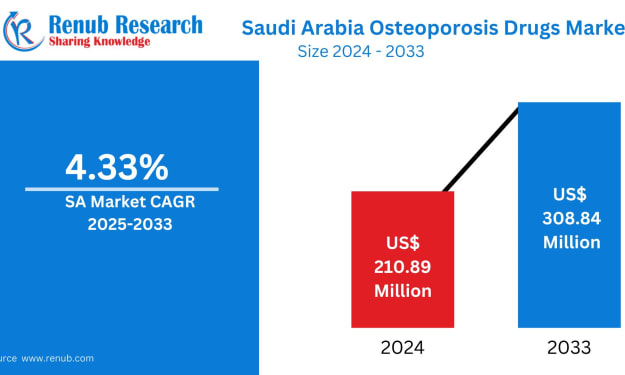
Saudi Arabia Osteoporosis Drugs Market Size and Forecast 2025–2033 The Saudi Arabia Osteoporosis Drugs Market is projected to grow from US$ 210.89 million in 2024 to US$ 308.84 million by 2033, registering a compound annual growth rate (CAGR) of 4.33% between 2025 and 2033. This steady expansion reflects the growing burden of osteoporosis, increased screening rates, rapid uptake of biologics, and government-led healthcare reforms under Vision 2030.
By Renub Research5 days ago in Longevity



Comments
There are no comments for this story
Be the first to respond and start the conversation.