
Want to Live Longer — and Feel Good Doing It? Start with These Top Healthspan Hacks
Fresh off the launch of Longevity World, Allen Law reveals his top healthspan hacks — and why Singapore is fast becoming Asia’s epicentre for living better, longer.

With the World Health Organisation reporting a 9.6-year gap between how long we live and how long we stay healthy, the push for healthy longevity has never been more urgent. Lifespan is about total years lived — healthspan is about how many of those years are spent feeling good, free from chronic illness.
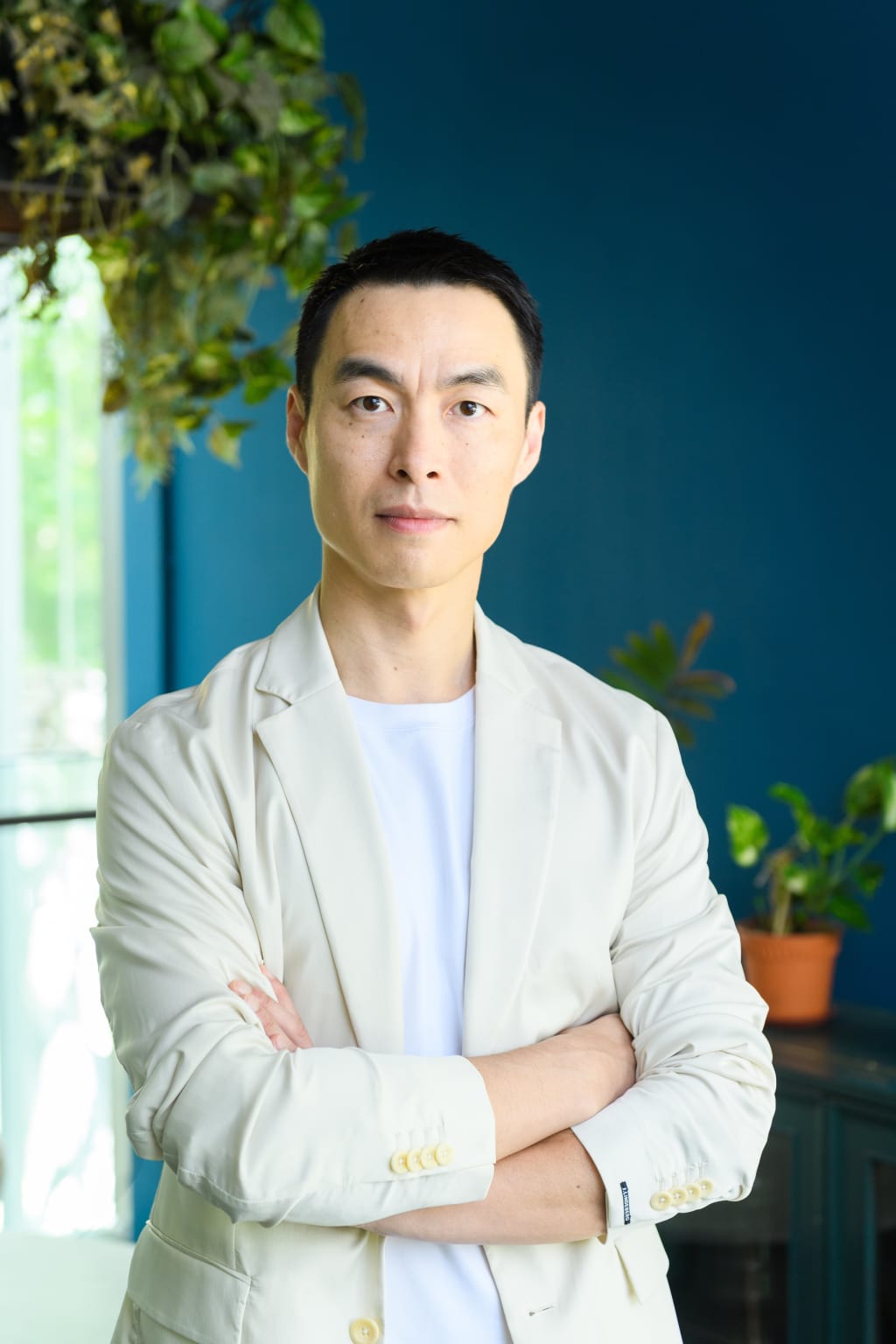
Allen Law, a global healthspan entrepreneur, is one of the leading voices in the wellness and longevity space — co-founding boutique fitness collective MOVE [REPEAT], which includes Yoga Movement, STRONG Pilates, and REVL Training, and launching the VC fund backing early-stage wellness ventures, Seveno Capital.
Allen recently announced his most important venture to date: to improve not just how long we live, but how much of that time is lived in good health.
I recently sat down with Allen to talk about his journey — and the simple, powerful lifestyle shifts he recommends for living healthier, longer.
Embracing Data-Driven Health Coaching
Health and wellness coaching is booming, thanks to rising demand for fitness, mindfulness, and wellness apps. These platforms do more than just track progress — many now offer personalised coaching and nutrition tips to help people hit their goals.
But as Allen points out, there’s a catch: “People are surrounded by personal health data, but most don’t know how to make sense of it. That’s where data-driven coaching makes a difference — it helps turn numbers into real, useful actions.”
In Singapore, places like Strength Clinic Academy are leading the way. Top coaches like Stuart Bauld use advanced performance testing and tailored training plans to boost performance, speed up recovery, and lower the risk of injury.
Opting for Personalised Health & Medicine
Another transformative trend Allen highlights is personalised healthcare, which leverages advanced diagnostics to create tailored patient strategies for disease prevention, management, and treatment.
“Personalised health is poised to revolutionise healthcare,” Allen says. “Unlike the traditional condition-focused model, it considers the full picture of a person’s life – from their medical history, lifestyle, through to their work environment – to develop uniquely tailored treatment plans.”
Allen also highlights biotech and biomedicine as key to the future of personalised health. A standout example is Engine Biosciences, a Singapore-based biotech company led by experts like Chief Information Officer Dr. Yaron Turpaz. They use machine learning, functional genomics, and drug discovery to create data-driven, patient-focused treatments.
“Companies like Engine Biosciences are transforming the healthcare landscape for the better,” Allen explains. “These scientific approaches provide clinicians with higher quality data, enabling more precise, effective treatments that improve both individual and public health outcomes.”
Adopting Preventive Care Solutions
As the global population ages, more people are looking for ways to stay healthy and feel good for longer, driving transformation across healthcare, consumer goods, and financial services – especially in Asian countries, whose populations are rapidly ageing.
Preventive care is at the heart of this shift, aiming to stop disease before it starts through smart lifestyle choices. Allen points to the CPC RPA Health for Life Programme — a collaboration between the University of Sydney’s Charles Perkins Centre and the Sydney Local Health District — as a great example to follow.
Led by Professor Luigi Fontana, the program brings together medical and lifestyle experts who share proven strategies to help people improve their healthspan – encouraging positive habits like healthy cooking, balanced nutrition, regular exercise, good sleep, and brain training. Research from the program indicates these simple lifestyle changes can manage, prevent, and even reverse chronic conditions like abdominal obesity, high blood pressure, prediabetes, and type 2 diabetes.
Investing in Emotional Intelligence (EQ)
Emotional intelligence, the ability to respond thoughtfully rather than react impulsively, has a profound impact on mental health and interpersonal relationships.
A higher EQ is regularly associated with lower levels of stress and greater emotional well-being, helping individuals to regulate positive thinking and recover quicker from setbacks in their personal lives. Allen points out that EQ isn’t fixed: “It’s a skill you can learn and grow. Science shows we can train ourselves to handle emotions better, stay calm, and respond in healthier ways.”
Organisations such as global intelligence network Six Seconds provide guidance on skills to improve emotional intelligence – with a specific focus on improving workplace culture, developing leadership qualities, and driving employee performance. Leading specialists such as Sue McNamara advocate for an evidence-based approach, as she blends the neuroscience of change and learning, and strong data with practical processes to better learn and apply EQ Skills.
“Emotional intelligence is a crucial life skill, no matter your age or profession,” Allen states. “It improves self-regulation, coping skills, and leadership capacity.”
Ensuring Restorative Sleep
Sleep is key to both our physical and mental health — yet around one in three people worldwide struggle with insomnia. Since we spend about a third of our lives asleep, it plays a huge role in how we feel and function every day. Research shows that regularly missing out on quality sleep can actually shorten both how long we live and how well we live.
For those facing sleep challenges, Allen recommends consulting sleep specialists for structured, evidence-based care. Leading sleep psychologist Julian Lim and sleep specialist Eric Lim at Somnus Sleep offer personalised treatment plans, which often combine cognitive-behavioral and mindfulness-based therapies. Allen mentions that, “Many people believe they have to accept their sleep difficulties, but with the right support, it's possible to break free from the cycle of poor sleep and make a significant improvement in overall well-being.”
“Extending the human healthspan requires a holistic and forward-thinking approach—one that integrates physical fitness, medical innovation, emotional well-being, and quality rest,” Allen explains. “By investing in these pillars today, we’re not just adding years to life, but life to those years.”
About the Creator
Elsie Cheung
I am a Hong Kong born writer living in London and writing about change and disruption in business and in the arts. I am also interested in female leadership and entrepreneurship.
Keep reading
More stories from Elsie Cheung and writers in Longevity and other communities.
Entrepreneur Allen Law Wants To Make Wellbeing an Affordable Luxury
In today’s world, wellbeing is more important than ever. While human lifespan has increased, healthspan – the period of our lives spent in good health – has lagged, creating a chasm, further exacerbated by the rise of chronic diseases and unhealthy lifestyle choices.
By Elsie Cheung12 months ago in Longevity
Ginger Tea: Benefits, Nutrients, Best Time to Drink, and Natural Health Guide
Introduction: Ginger tea is a popular herbal drink made from fresh or dried ginger root. It has been used for centuries in traditional medicine because of its natural healing properties.
By Health Tipsabout 16 hours ago in Longevity



Comments
There are no comments for this story
Be the first to respond and start the conversation.