

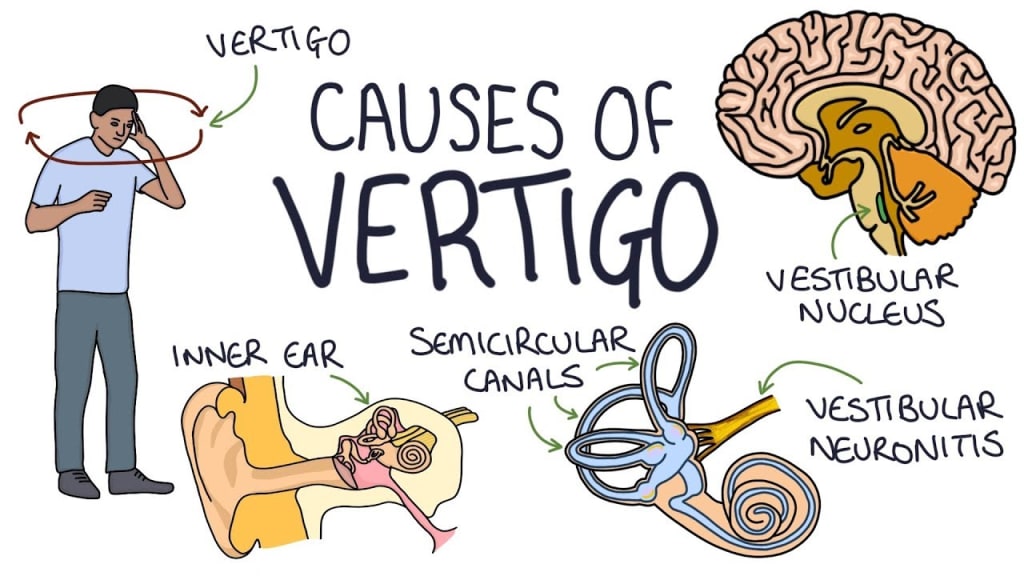
Vertigo is Dizziness or vertigo, it can be a very common problem especially for those people who have cervical problem, neck pain, headache or any ear related problem. It is a symptom of many conditions. In Vertigo, our body feels various problems like loss of balance along with nausea and vomiting or if you turn your head then this condition gets worse and your head becomes more dizzy.
Many times some people have a problem like dizziness even after going to high altitude, but it is completely different from Vertigo. Fear of going to height, this problem is called acrophobia. It is a symptom of many conditions. It occurs when there is a problem with the inner ear, brain, or sensory nerve pathways. Vertigo can occur at any age, but it is common in people aged 65 years and above. Let us know what it is, what happens in a vertigo attack, let us know about vertigo with the help of this article. .
Vertigo can be both temporary or long-term. If you have persistent vertigo then it may be linked to mental health issues. Very often psychiatric problems can cause dizziness, or dizziness can affect a person's ability to function in daily life, potentially leading to depression or anxiety . Vertigo is a symptom of many conditions. It is a type of sensation in which you, or the environment around you, feel like moving. Sometimes it can be so severe that you may find it difficult to keep your balance and do everyday tasks.
Typically, vertigo is caused by either problems in the inner ear, known as peripheral vertigo, or problems in the brain or nervous system, known as central vertigo. Certain risk factors and other medical issues can also cause vertigo. Attacks of vertigo can come on suddenly for a few seconds, or they can last for a very long time.
Other symptoms associated with Vertigo may include:
loss of balance – which can make it difficult to stand or walk
Get ill
Dizziness
Symptoms of Vertigo
A person with vertigo may face problems like dizziness, loss of balance. Vertigo can be a symptom of other conditions, and may also have its own separate set of associated symptoms. Contains:
balance problems and dizziness
feeling of motion sickness
nausea and vomiting
tinnitus
ear numbness
Headache (Read more: 5 Surprising Reasons you have a Headache )
Get ill
Common Causes of Vertigo
BPPV: BPPV is considered to be the most common cause of vertigo. This happens when tiny crystals break free and float inside the tubes of your inner ear, called the semicircular canals. Vertigo in BPPV usually occurs in short episodes that come on suddenly and last from a few seconds to a few minutes. In people with BPPV, even slight head movements can trigger episodes of vertigo. Most of the time, doctors don't identify exactly what causes BPPV, but it can sometimes be associated with minor or severe trauma to the head. BPPV usually affects older adults, and the cause is usually: becomes unknown. It is associated with dementia and is twice as common in women as in men.
Labyrinthitis : This is an inflammation of the inner ear labyrinth. It is usually caused by a viral infection.
Meniere's disease: A build-up of fluid in the inner ear can cause vertigo along with tinnitus and hearing loss. It mostly affects people between 40 and 60 years of age.
Common Causes of Vertigo
There are also some causes that are less responsible for vertigo but can cause it, they include the following conditions:
Diabetes
pregnancy
syphilis
certain allergies
head or neck injury
migraine headache
ear surgery
prolonged bed rest
perilymphatic fistula
herpes zoster autix
otosclerosis
side effects of a drug or drug toxicity
stroke
transient ischemic attack
cerebellar or brain disease, such as a brain tumor or stroke
Acoustic neuroma, a benign growth on the vestibular nerve that runs between the brain and the inner ear
multiple sclerosis
Treatment of Vertigo – Treatment of Vertigo
Some types of vertigo get better without treatment, but any underlying problem may require medical attention, for example, a bacterial infection may require antibiotic therapy.
Drugs can relieve some of the symptoms of vertigo, for example, and antihistamines or anti-emetics can be taken to reduce motion sickness and nausea .
Steroids, antiviral drugs, or antibiotics may be given to patients with acute vestibular disorders.
Occasionally, internal surgery is performed to treat patients with diffuse benign paroxysmal positive vertigo (BPPV). The surgeon inserts a bone plug into the inner ear to block the area where the vertigo originates.
Taking care of myself
If you know you have vertigo, depending on what's causing it, take steps to help relieve your symptoms. Your doctor may advise you to:
Do simple exercises to ease your symptoms
sleep with your head slightly elevated on two or more pillows
Get up slowly when getting out of bed and sit on the edge of the bed for one minute before standing up
Avoid bending down to pick up something
avoid straining your neck – for example, trying to reach a high shelf
move your head carefully and slowly during daily activities
doing exercises that trigger vertigo, so your brain gets used to it and helps reduce its symptoms
While the above measures can help, it is still useful to see a doctor if vertigo and any other symptoms appear, as many conditions can cause vertigo, and any harmful underlying health issues need to be treated. May fall




Comments
There are no comments for this story
Be the first to respond and start the conversation.