
Unleashing Your Fitness Potential
The Dynamic Duo of Exercise and Fitness Equipment
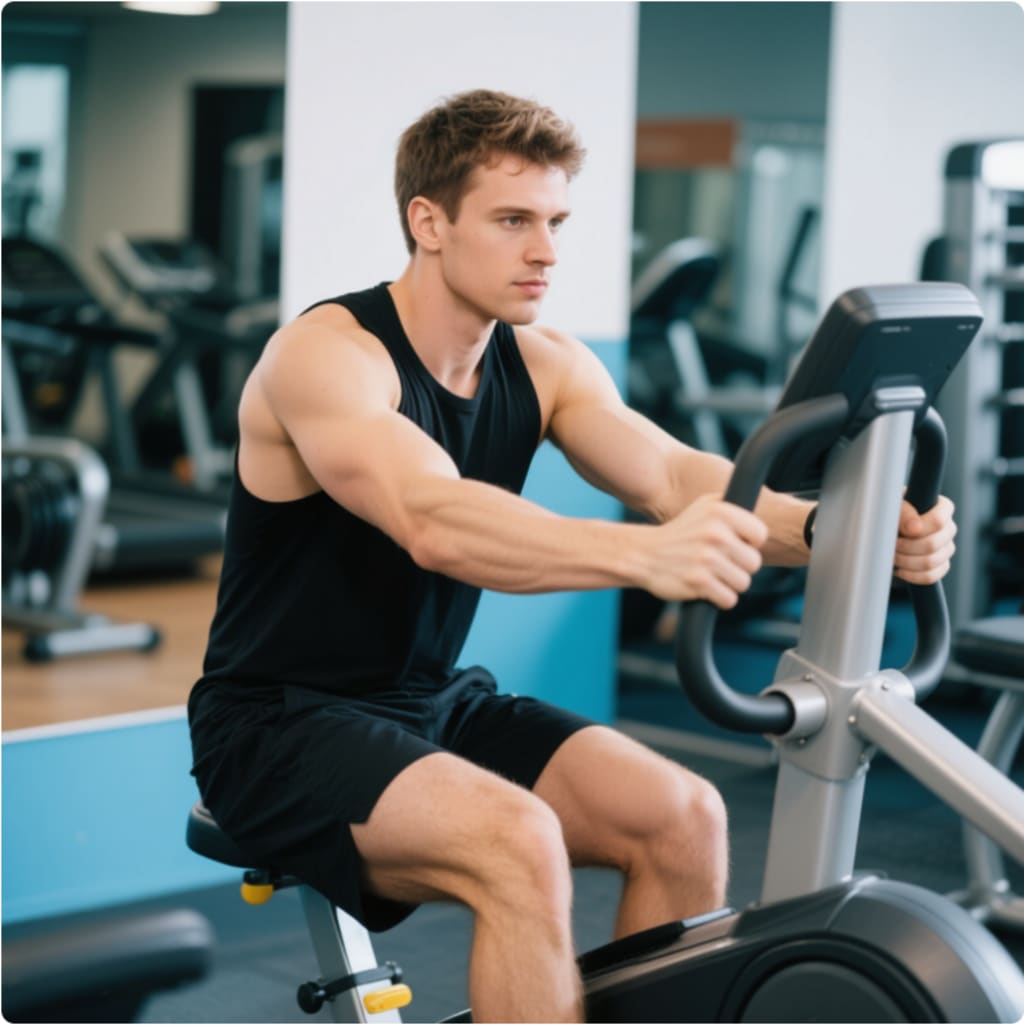
In the vast realm of fitness, exercise and fitness equipment stand as inseparable allies, working in tandem to help individuals achieve their health and wellness goals. Whether you're a seasoned gym - goer or a novice taking your first steps towards a fitter lifestyle, understanding the symbiotic relationship between these two elements can significantly enhance your fitness journey.
The Power of Exercise
Exercise is the cornerstone of a healthy lifestyle. It offers a plethora of benefits that extend far beyond just physical appearance. Regular physical activity can improve cardiovascular health, boost metabolism, increase strength and endurance, and enhance mental well - being. There are numerous types of exercises, each with its own unique advantages.
Cardio Exercises
Cardiovascular exercises, often referred to as cardio, are crucial for heart health. Activities like running, cycling, swimming, and using an elliptical machine get your heart pumping and blood flowing. Running, for instance, is a simple yet highly effective cardio exercise. It not only strengthens your heart and lungs but also burns a significant number of calories. A 30 - minute run at a moderate pace can torch around 300 - 400 calories, depending on your body weight. Cycling, whether outdoors or on a stationary bike, is another great option. It's low - impact, making it gentle on the joints, and is an excellent way to improve lower body strength and endurance.
Strength Training Exercises
Strength training is all about building muscle mass and increasing strength. Lifting weights, using resistance bands, or performing body weight exercises like push - ups, squats, and lunges are common forms of strength training. When you engage in strength training, you create tiny tears in your muscle fibers. As these fibers repair and grow back stronger, your muscles become more defined and powerful. For example, regularly doing bicep curls with dumbbells can help you develop stronger and more toned arms. Strength training also has a long - lasting impact on your metabolism. Muscle tissue is more metabolically active than fat tissue, so the more muscle you have, the more calories you burn even at rest.
Flexibility Exercises
Flexibility exercises, such as yoga and stretching, are often overlooked but are essential for overall fitness. They help improve joint mobility, reduce the risk of injury, and enhance posture. Yoga combines physical postures, breathing techniques, and meditation to promote flexibility, strength, and mental calmness. A simple forward fold in yoga can stretch the hamstrings, while a downward - facing dog works on multiple muscle groups and improves shoulder flexibility. Regular stretching, like static stretches held for 30 seconds each, can also relieve muscle tension and improve range of motion. For example, stretching your calves after a long day of standing can prevent muscle cramps and improve blood circulation in your lower legs.
The Role of Fitness Equipment
Fitness equipment plays a pivotal role in enhancing the effectiveness of your exercise routine. It provides additional resistance, variety, and support, allowing you to target specific muscle groups more precisely.
Cardio Equipment
Treadmills: Treadmills are a popular choice for indoor running and walking. They offer the convenience of being able to exercise at any time, regardless of weather conditions. Most treadmills come with adjustable speed and incline settings, allowing you to customize your workout intensity. You can simulate outdoor running scenarios, such as running uphill, by increasing the incline. Treadmills also often have built - in heart rate monitors and calorie counters, which can help you track your progress and ensure you're getting an effective workout.
Stationary Bikes: As mentioned earlier, stationary bikes are great for low - impact cardio. They come in different types, including upright bikes and recumbent bikes. Upright bikes mimic the position of a traditional bicycle and work on strengthening the quadriceps, hamstrings, and glutes. Recumbent bikes, on the other hand, provide a more comfortable seating position with back support, making them ideal for those with lower back problems. Many stationary bikes also have features like adjustable resistance levels, which can make your workout more challenging as you get fitter.
Elliptical Machines: Elliptical machines offer a smooth, low - impact cardio workout that engages both the upper and lower body. By using the handlebars and moving your legs in an elliptical motion, you can work on multiple muscle groups simultaneously. Elliptical machines are gentle on the joints, making them suitable for people of all fitness levels, including those recovering from injuries. They also typically have a variety of preset workout programs, such as interval training and hill climbs, to keep your workouts interesting.
Strength Training Equipment
Dumbbells: Dumbbells are versatile strength training tools. They allow for a greater range of motion compared to barbells, as each arm can move independently. This helps to correct muscle imbalances and strengthen stabilizer muscles. You can perform a wide variety of exercises with dumbbells, such as bicep curls, shoulder presses, and rows. Dumbbells come in different weights, so you can start with a light weight if you're a beginner and gradually increase the load as your strength improves.
Barbell Sets: Barbells are excellent for compound exercises that work multiple muscle groups at once. Exercises like squats, deadlifts, and bench presses using a barbell can help you build overall strength and muscle mass. Barbell sets usually include the barbell itself and a set of weight plates that you can add or remove to adjust the weight. When using a barbell, proper form is crucial to prevent injury, so it's a good idea to start with a lighter weight and learn the correct technique before increasing the load.
Resistance Bands: Resistance bands are a portable and affordable alternative to traditional weightlifting equipment. They come in different levels of resistance, from light to extra - heavy. Resistance bands can be used for a variety of exercises, including bicep curls, squats, and lateral raises. They provide a unique type of resistance that varies throughout the range of motion, challenging your muscles in a different way than weights. Resistance bands are also great for traveling, as they take up very little space and can be used anywhere.
Flexibility and Balance Equipment
Yoga Mats: A good quality yoga mat is essential for any yoga or stretching routine. It provides a non - slip surface, which is crucial for maintaining stability during poses. Yoga mats also offer some cushioning, which can protect your joints when you're on the floor. There are different types of yoga mats available, such as PVC - free mats for those who are environmentally conscious and thicker mats for extra comfort.
Balance Boards: Balance boards are used to improve balance and core strength. Standing on a balance board and performing simple movements like shifting your weight from side to side or front to back can engage your core muscles and improve your stability. Balance boards can also be used for more advanced exercises, such as performing squats or lunges while maintaining balance. They are a great addition to any fitness routine, especially for athletes who need to improve their balance and proprioception.
Choosing the Right Fitness Equipment
Selecting the right fitness equipment for your needs is essential to ensure you get the most out of your workouts. Here are some factors to consider:
Your Fitness Goals
If your goal is to lose weight, you may want to focus on cardio equipment that burns a lot of calories, such as a treadmill or an elliptical machine. If you're looking to build muscle, strength training equipment like dumbbells, barbells, or resistance bands will be more suitable. For improving flexibility and balance, equipment like yoga mats and balance boards are ideal.
Space and Budget
Consider the amount of space you have available at home or in your gym. If you have limited space, equipment like resistance bands or a small yoga mat may be a better choice. On the other hand, if you have a dedicated workout area, you can invest in larger equipment like a treadmill or a full - size barbell set. Budget is also an important factor. Fitness equipment can range from relatively inexpensive resistance bands to expensive treadmills. Determine how much you're willing to spend and look for equipment that offers the best value for your money.
Ease of Use
Choose equipment that is easy to use, especially if you're a beginner. Some complex strength training machines may require a lot of setup and adjustment, which can be intimidating for new users. Look for equipment with clear instructions and simple controls. For example, a basic dumbbell set is very easy to use, as you can simply pick up the weights and start your exercises.
Conclusion
Exercise and fitness equipment are two sides of the same coin when it comes to achieving a healthy and fit body. The right combination of exercises, tailored to your fitness goals, and the appropriate use of fitness equipment can help you transform your body and improve your overall well - being. Whether you're aiming to shed a few pounds, build muscle, or increase your flexibility, there's an exercise and a piece of fitness equipment out there for you. So, lace up your shoes, grab your equipment, and start your fitness journey today!
About the Creator
Keep reading
More stories from Daniel Johnson and writers in Longevity and other communities.
Stop Blind Dieting!
The Myth of Weight Loss: Calories Aren't the Only Key We've all been there. Standing in the kitchen, food scale in hand, meticulously counting every calorie that goes into our mouths. We're convinced that if we just keep that number low enough, the pounds will melt away. But then, weeks or months later, we step on the scale and... nothing. Or worse, we've gained weight back. Why? Because the relationship between weight loss and food intake is far more complex than a simple calorie count.
By Daniel Johnson9 months ago in Longevity
Day 4 of Quitting
If this is how sobriety feels, maybe it’s better to go through life a little buzzed… this, along with other hits like, I want to kill myself, I wish I was dead, and I’m going to throw myself off a bridge have been the only thoughts on rotation these past few days. I promise myself that if, in a month, I still feel like this (‘this’ meaning despondent, full of rage, and simultaneously numb) I can go back to smoking. Until mid-February though? Nicotine is off the table.
By sleepy drafts10 days ago in Longevity
The Muscle Paradox: Why Training Harder Is Making You Weaker
I watch it happen every week. Someone walks into the gym with fire in their eyes, ready to transform. Six months later, they're frustrated, confused, and barely any different than when they started. Same weights. Same physique. Same excuses.
By Destiny S. Harris4 days ago in Longevity



Comments
There are no comments for this story
Be the first to respond and start the conversation.