
Stop Blind Dieting!
Unlock the Truth about Weight Loss and Food Intake
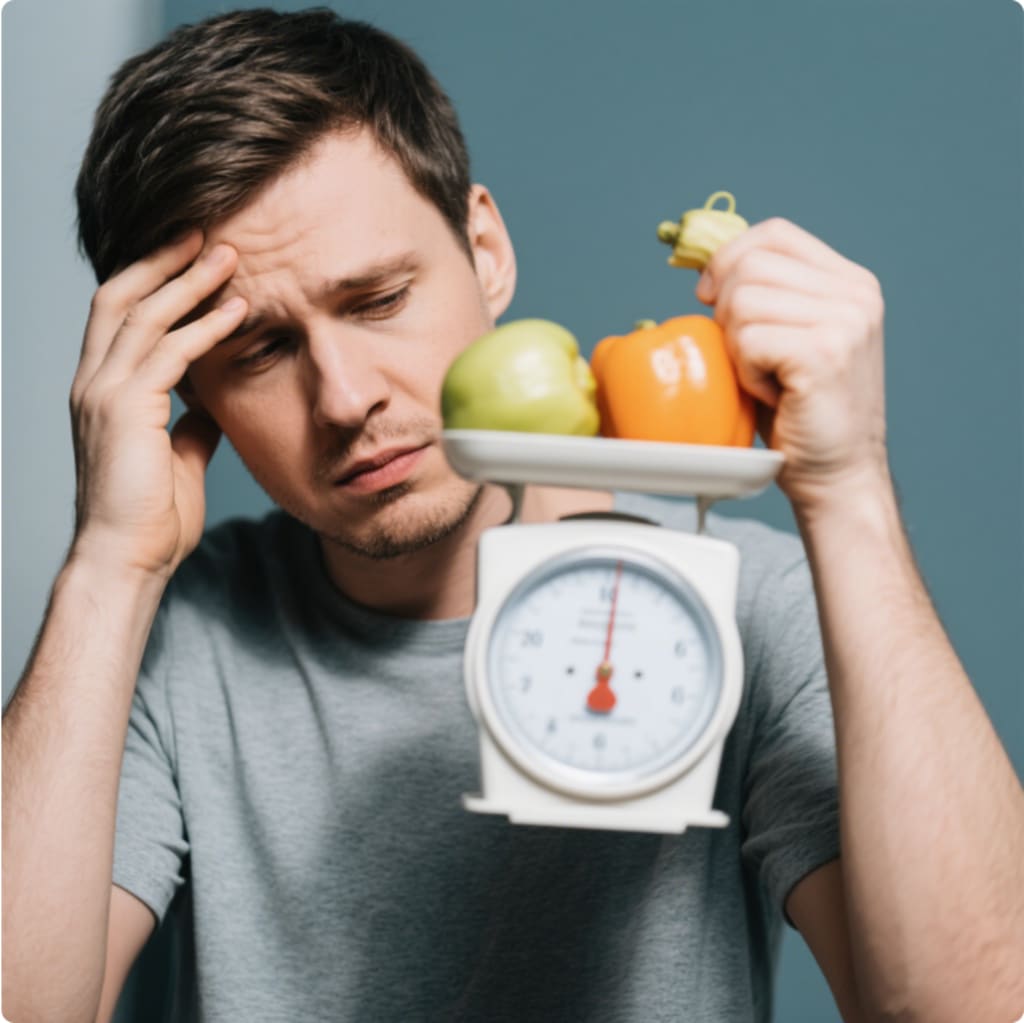
The Myth of Weight Loss: Calories Aren't the Only Key
We've all been there. Standing in the kitchen, food scale in hand, meticulously counting every calorie that goes into our mouths. We're convinced that if we just keep that number low enough, the pounds will melt away. But then, weeks or months later, we step on the scale and... nothing. Or worse, we've gained weight back. Why? Because the relationship between weight loss and food intake is far more complex than a simple calorie count.
Think about it. You could eat 1,200 calories of potato chips and sugary drinks, or 1,200 calories of nutrient - dense foods. The former will leave you feeling hungry, sluggish, and nutritionally deficient, while the latter can fuel your body, keep you full, and support your weight loss goals. So, let's ditch the calorie - only mindset and dig deeper into what really matters when it comes to food and weight loss.
The Importance of Food Quality
High - Nutrient Density Diet
A high - nutrient density diet is all about getting the most bang for your buck nutritionally. Foods like leafy greens, colorful fruits, and whole grains are packed with vitamins, minerals, fiber, and antioxidants. For example, a cup of spinach contains only about 7 calories but is loaded with iron, calcium, and vitamins A and K. Compare that to a bag of chips, which might be high in calories but offers little to no real nutritional value.
When you focus on high - nutrient density foods, you're providing your body with the building blocks it needs to function properly. Your immune system gets a boost, your skin looks better, and you'll find that you're naturally less hungry because your body is being nourished. This, in turn, makes it easier to control your overall calorie intake and lose weight.
The Right Choice of Carbohydrates
Carbohydrates have gotten a bad rap in the weight loss world, but not all carbs are created equal. Low - quality carbs, like white bread, sugary cereals, and most pastries, are quickly digested by the body, causing a spike in blood sugar levels. This is often followed by a crash, leaving you feeling tired and hungry again soon after.
On the other hand, high - quality carbohydrates such as non - starchy vegetables (think broccoli, cauliflower, and asparagus), whole grains like quinoa and brown rice, and legumes are rich in fiber. Fiber slows down digestion, keeping you feeling full for longer and helping to regulate blood sugar. Incorporating these types of carbs into your diet can be a game - changer for weight loss.
Good and Bad Fats
Fats are essential for our bodies to function. They help with hormone production, nutrient absorption, and keeping our skin healthy. However, the type of fat we consume matters a great deal. High - quality fats include plant - based fats like avocados, nuts, and seeds, as well as omega - 3 fatty acids found in fatty fish such as salmon. These fats are unsaturated and have been shown to have numerous health benefits, including reducing inflammation in the body.
In contrast, saturated and trans fats, found in fried foods, processed meats, and many baked goods, can raise cholesterol levels and contribute to weight gain. By choosing the right fats, you can support your overall health and your weight loss journey.
Protein is Indispensable
Protein is the unsung hero of weight loss. It has a high thermic effect, which means your body burns more calories digesting protein than it does other macronutrients. Additionally, protein helps to build and maintain muscle mass. And here's the kicker - muscle burns more calories at rest than fat. So, the more muscle you have, the higher your basal metabolic rate, and the more calories you'll burn throughout the day.
Good sources of protein include lean meats like chicken and turkey breast, eggs, dairy products, and plant - based options such as beans, lentils, and tofu. Aim to include a source of protein in every meal to keep you feeling full and satisfied.
The Dangers of Unhealthy Eating Patterns
The Consequences of Extreme Dieting
It's tempting to think that cutting calories drastically is the fastest way to lose weight. But extreme dieting is a short - term fix with long - term consequences. When you severely restrict your calorie intake, your body goes into "starvation mode." This means your metabolism slows down to conserve energy, making it even harder to lose weight in the long run.
Not only that, but extreme dieting can lead to nutrient deficiencies, weakened immune systems, and even hair loss. And once you stop the diet, it's very likely that you'll regain all the weight you lost, and sometimes even more. So, instead of starving yourself, focus on making sustainable, healthy changes to your diet.
The Drawbacks of Single - Food Diets
You've probably seen those trendy single - food diets promising rapid weight loss. Whether it's the all - grapefruit diet, the cabbage soup diet, or the latest fad, these diets are a recipe for disaster. Our bodies need a wide variety of nutrients to function properly, and no single food can provide all of them.
When you rely on only one or a few foods, you're depriving your body of essential vitamins, minerals, and other nutrients. This can lead to fatigue, irritability, and a host of other health problems. Plus, these diets are incredibly difficult to stick to, and once you go back to your normal eating pattern, the weight will come right back.
Scientific Diet Strategies for Weight Loss
Control Total Calories, But Don't Go Overboard
While calories aren't the only factor in weight loss, they still play a crucial role. The key is to find the right balance. To calculate your daily calorie needs, you can use a simple formula that takes into account your age, gender, weight, height, and activity level. For example, a sedentary woman might need around 1,600 calories per day to maintain her weight, while a more active woman could need 2,000 calories or more.
To lose weight, you generally need to create a calorie deficit. But don't go too extreme. Aiming for a deficit of 500 - 1,000 calories per day is a healthy and sustainable way to lose 1 - 2 pounds per week. You can achieve this by a combination of reducing calorie intake and increasing physical activity.
Allocate Calories Wisely Among Three Meals
The way you distribute your calories throughout the day can also impact your weight loss. A balanced approach is to aim for about 30% of your calories at breakfast, 40% at lunch, and 30% at dinner.
Breakfast is often called the most important meal of the day, and for good reason. Starting your day with a nutritious breakfast that includes protein, complex carbohydrates, and healthy fats can jump - start your metabolism and keep you feeling full until lunch. For example, a breakfast of Greek yogurt with berries and a handful of nuts is a great option.
Lunch should be substantial enough to keep you energized for the rest of the day. Include a lean protein source, plenty of vegetables, and a small amount of whole grains. A chicken and vegetable stir - fry with brown rice is a delicious and filling lunch.
Dinner should be a bit lighter, but still balanced. Avoid heavy, rich foods that can make you feel sluggish before bed. A grilled salmon fillet with steamed broccoli and a small sweet potato is a perfect dinner choice.
Eat Regularly
Eating at regular intervals throughout the day is essential for maintaining stable blood sugar levels and a healthy metabolism. When you skip meals or go for long periods without eating, your body goes into survival mode, slowing down your metabolism to conserve energy. This can make it more difficult to lose weight.
Aim to eat every 3 - 4 hours. If you're not used to eating this often, start small. Have a healthy snack like a piece of fruit or a handful of nuts between meals to keep your metabolism revved up.
Combining Diet with Lifestyle for Weight Loss
The Role of Moderate Exercise
Diet alone can only take you so far. To really maximize your weight loss efforts, you need to incorporate exercise into your routine. Aim for at least 150 minutes of moderate - intensity aerobic exercise, such as brisk walking, cycling, or swimming, per week. This type of exercise helps to burn calories and improve cardiovascular health.
In addition to cardio, strength training is also important. Building muscle not only helps to increase your metabolism but also gives your body a more toned and fit appearance. You can do strength training exercises using weights, resistance bands, or even just your body weight. Try to do strength training exercises at least two to three times per week.
Get Sufficient Sleep
Sleep is often overlooked when it comes to weight loss, but it's incredibly important. When you don't get enough sleep, your body's hormones get out of whack. The hormone ghrelin, which makes you feel hungry, increases, while the hormone leptin, which tells you when you're full, decreases. This can lead to increased appetite and overeating.
Aim for 7 - 8 hours of quality sleep per night. Establish a regular sleep schedule, turn off electronic devices an hour before bed, and create a comfortable sleep environment. Your body will thank you, and it will be easier to stick to your healthy eating and exercise routine.
Summary and Call to Action
In conclusion, weight loss is not just about counting calories or following the latest fad diet. It's about making informed choices about the quality of the food you eat, controlling your calorie intake in a sustainable way, and combining a healthy diet with regular exercise and sufficient sleep.
If you're struggling to meet your nutritional needs through diet alone, consider adding a high - quality nutritional supplement to your routine. Check out for a wide range of supplements designed to support your health and weight loss goals. Remember, every small step you take towards a healthier lifestyle is a step in the right direction. So, start today. Make a commitment to yourself to eat better, move more, and live a happier, healthier life.
About the Creator
Keep reading
More stories from Daniel Johnson and writers in Longevity and other communities.
Unleashing Your Fitness Potential
In the vast realm of fitness, exercise and fitness equipment stand as inseparable allies, working in tandem to help individuals achieve their health and wellness goals. Whether you're a seasoned gym - goer or a novice taking your first steps towards a fitter lifestyle, understanding the symbiotic relationship between these two elements can significantly enhance your fitness journey.
By Daniel Johnson11 months ago in Longevity
7 Habits That Can Spike Your Morning Blood Sugar
Blood sugar levels that are consistently high in the morning can happen for a variety of reasons. Habits such as poor-quality sleep, intense evening exercise, nighttime snacks or alcohol, and skipping dinner can all contribute to high morning blood sugar, as can insulin timing and type.
By Good health to everyonea day ago in Longevity




Comments
There are no comments for this story
Be the first to respond and start the conversation.