
Understanding the Science Behind COVID
Debunking Myths and Misconceptions
1. Introduction
1.1 Brief overview of the COVID pandemic and the importance of understanding the science behind it
The COVID-19 pandemic is a global health crisis caused by the novel coronavirus, SARS-CoV-2. The virus was first identified in Wuhan, China in December 2019 and has since spread to every corner of the globe, causing widespread illness and death. As of 2021, the World Health Organization (WHO) has reported over 100 million confirmed cases and 2.1 million deaths globally.
The importance of understanding the science behind COVID-19 cannot be overstated. Accurate information is essential for making informed decisions about how to protect ourselves and others from the virus. Additionally, understanding the science behind the virus can help dispel myths and misconceptions that can lead to misinformation and confusion. By staying informed and educated about the virus, we can work together to slow its spread and eventually bring an end to the pandemic.
1.2 Purpose of the blog: to provide accurate information and debunk common myths and misconceptions
The purpose of this blog is to provide accurate, science-based information about COVID-19 and to debunk common myths and misconceptions about the virus. The blog will cover a range of topics related to the virus, including its characteristics, how it spreads, and how it is diagnosed and treated. It will also provide information about the development and effectiveness of COVID-19 vaccines, as well as information on vaccine distribution.
One of the main goals of this blog is to refute common misconceptions about COVID-19 that have been circulating in the media and online. These misconceptions can range from claims that the virus is not real or not as serious as it is being made out to be, to false information about how the virus spreads or how to protect yourself from it. By providing accurate information and debunking these myths, the blog aims to help readers make informed decisions about how to protect themselves and others from the virus.
Overall, this blog is intended to be a reliable and trustworthy source of information about COVID-19, providing readers with the knowledge they need to stay safe and healthy during the pandemic.
2. The virus and how it spreads
2.1 Explanation of the virus (SARS-CoV-2) and its characteristics
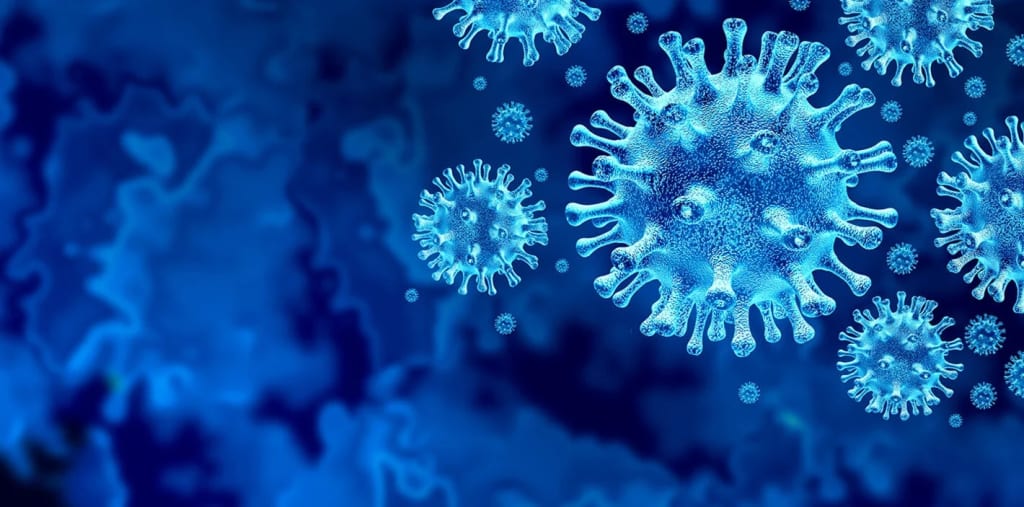
SARS-CoV-2 is the virus that causes COVID-19. It is a type of coronavirus, so-called for the crown-like spikes on its surface. These spikes allow the virus to bind to and infect host cells, primarily those in the respiratory tract.
SARS-CoV-2 is a single-stranded, positive-sense RNA virus. This means that its genetic material is made up of ribonucleic acid (RNA) and that it can be used directly by the host cell to make viral proteins. The virus has a relatively large genome compared to other RNA viruses, which has allowed it to evolve and adapt to the human host.
The virus is highly contagious and can spread easily through respiratory droplets when an infected person talks, coughs, or sneezes. It can also spread through contact with contaminated surfaces or objects.
Symptoms of COVID-19 can range from mild to severe, and can include fever, cough, shortness of breath, fatigue, body aches, and loss of taste or smell. Some people may be asymptomatic or have very mild symptoms, but can still spread the virus to others.
In severe cases, COVID-19 can lead to pneumonia, acute respiratory distress syndrome (ARDS), and death. The virus is particularly dangerous for older adults and people with underlying health conditions, such as obesity, diabetes, and heart disease, who are at higher risk of severe illness and death.
2.2 Discussion of how the virus spreads (e.g. through respiratory droplets, close contact, etc.)
SARS-CoV-2 primarily spreads through respiratory droplets produced when an infected person talks, coughs, or sneezes. These droplets can travel through the air and be inhaled by people nearby, or they can land on surfaces or objects and be picked up by other people who touch those surfaces or objects and then touch their face. This is why it is important to practice good respiratory hygiene, such as covering your mouth and nose with a tissue or your elbow when you cough or sneeze, and frequently washing your hands with soap and water.
The virus can also spread through close contact with an infected person. This can occur when an infected person talks, coughs, or sneezes near someone else, or when someone comes into contact with an infected person's respiratory secretions, such as saliva or mucus. This is why it is important to maintain physical distance from people who are sick, as well as to wear a mask, especially in crowded or enclosed spaces.
The virus can also spread through aerosols, which are smaller droplets that can linger in the air for longer periods. This can occur in poorly ventilated indoor spaces, such as homes, offices, or public transportation. This is why it is important to maintain good ventilation and air flow in indoor spaces, and to avoid crowded or enclosed spaces.
It's also important to note that people can be contagious even if they are asymptomatic or have very mild symptoms, making it hard to determine who is infected and who is not. This is why it's essential to follow guidelines from public health authorities and take precautions to protect yourself and others, even if you feel well.
2.3 Information on how to prevent the spread of the virus
There are several actions you can take to prevent the spread of SARS-CoV-2 and protect yourself and others from COVID-19. The most important of these are:
I. Wear a mask: Wearing a mask can help to prevent the spread of the virus by trapping respiratory droplets produced when you talk, cough, or sneeze. It is especially important to wear a mask in crowded or enclosed spaces, or when physical distancing is difficult to maintain.
II. Practice physical distancing: Maintaining a distance of at least 6 feet from others can help to reduce the risk of infection. This is especially important when interacting with people who are sick or who have been in close contact with someone who is sick.
III. Wash your hands frequently: Washing your hands with soap and water for at least 20 seconds can help to remove the virus from your hands if you have come into contact with it. It's important to wash your hands frequently, especially after touching your face, after being in a public place, and before eating or preparing food.
IV. Clean and disinfect frequently touched surfaces: Cleaning and disinfecting surfaces that are frequently touched, such as doorknobs, light switches, and cell phones can help to remove the virus and prevent it from spreading.
V. Get vaccinated: If you are eligible, getting vaccinated against COVID-19 can help protect you from severe illness and death. It also helps to protect the people around you by preventing the spread of the virus.
VI. Avoid large gatherings and nonessential travel: Large gatherings and nonessential travel increase the risk of exposure to the virus, so it's best to avoid them as much as possible.
VII. Stay home if you're sick: If you have symptoms of COVID-19, stay home and self-isolate to avoid spreading the virus to others.
VIII. Monitor your symptoms: Be aware of the symptoms of COVID-19 and seek medical attention if you develop severe symptoms.
By following these guidelines, you can take an active role in slowing the spread of COVID-19 and protecting yourself and others. Remember to always follow the recommendations and guidelines from local health authorities as they may vary depending on the situation in your area.
3. Symptoms and diagnosis
3.1 Description of common symptoms of COVID-19
The symptoms of COVID-19 can vary widely from person to person and can range from mild to severe. The most common symptoms include:
Fever or chills: A fever is a common symptom of COVID-19 and is defined as a body temperature of 100.4°F (38°C) or higher. Chills or shaking with a fever are also common symptoms.
I. Cough: A dry or productive cough is a common symptom of COVID-19. A productive cough is one that produces phlegm or mucus.
II. Shortness of breath: Some people with COVID-19 experience shortness of breath or difficulty breathing. This can be a sign of more severe illness, such as pneumonia.
III. Fatigue: Many people with COVID-19 experience fatigue or a feeling of weakness. This can be severe enough to interfere with daily activities.
IV. Body aches: Some people with COVID-19 experience body aches, such as muscle or joint pain.
V. Loss of taste or smell: Some people with COVID-19 lose their sense of taste or smell, or experience changes in the way food tastes.
VI. Headache: Some people with COVID-19 experience headache.
VII. Sore throat: Some people with COVID-19 experience sore throat.
VIII. Congestion or runny nose: Some people with COVID-19 experience congestion or runny nose.
IX. Nausea or diarrhea: Some people with COVID-19 experience nausea or diarrhea
It's important to note that some people may be asymptomatic or have very mild symptoms, and they may not even know they are infected. This is why it's important to follow public health guidelines and take precautions to protect yourself and others, even if you feel well. If you develop severe symptoms such as difficulty breathing, persistent pain or pressure in the chest, new confusion, inability to wake or stay awake, or bluish lips or face, seek medical attention immediately.
3.2 Discussion of how COVID-19 is diagnosed (e.g. through PCR testing, antigen testing, etc.)
COVID-19 is typically diagnosed through two types of tests: PCR tests and antigen tests.
I. PCR (polymerase chain reaction) tests: These tests detect the genetic material of the virus (RNA) in a patient's sample. They are considered the most accurate tests for COVID-19 and are commonly used to diagnose active infections. PCR tests are usually done with a nasal or throat swab and results are usually available within a few days.
II. Antigen tests: These tests detect specific proteins on the surface of the virus in a patient's sample. They are less accurate than PCR tests but can provide results in a shorter time. Antigen tests are usually done with a nasal or throat swab and results are usually available within hours.
Both tests can be done in a laboratory or at point-of-care settings such as clinics, hospitals or drive-thru testing centers.
It's important to note that a negative test result does not necessarily mean that a person is not infected. False negatives can occur, especially if the test is done early in the course of the illness. Therefore, people who have been in close contact with someone with COVID-19 or who have symptoms of COVID-19 should self-quarantine regardless of test results.
Also, it's important to follow the guidance of public health officials and healthcare providers for testing, quarantine, and isolation recommendations. These may vary depending on local conditions and testing availability.
3.3 Information on who is at highest risk for severe illness from COVID-19
COVID-19 can cause severe illness and death, especially in certain groups of people who are at higher risk. These groups include:
I. Older adults: People 65 years of age and older are at a higher risk of severe illness and death from COVID-19. As we age, our immune system function decreases and we are more likely to have underlying health conditions that can increase the risk of severe illness.
II. People with underlying health conditions: People with certain underlying health conditions are at a higher risk of severe illness from COVID-19. These conditions include:
• Heart disease
• Lung disease
• Cancer
• Diabetes
• Chronic kidney disease
• Obesity (body mass index [BMI] of 30 or higher)
• Immunocompromised conditions
III. People of certain racial and ethnic groups: Some racial and ethnic groups, such as Black, Latino, and Native American populations, have higher rates of underlying health conditions and are at a higher risk of severe illness from COVID-19.
IV. People who live in congregate settings: People who live in congregate settings, such as long-term care facilities, correctional facilities, or homeless shelters, are at a higher risk of severe illness from COVID-19.
V. Essential workers: Certain essential workers, such as healthcare workers, first responders, and essential workers in grocery stores, public transit, and other critical industries are at higher risk of severe illness from COVID-19 due to the nature of their work.
It's important to note that COVID-19 can cause severe illness and death in people of all ages, and even in people who don't have underlying health conditions. It's important for everyone to take precautions and follow guidelines from public health authorities to protect themselves and others from COVID-19.
4. Treatments and vaccines
4.1 Overview of current treatments for COVID-19 (e.g. antivirals, corticosteroids, etc.)
There are currently several treatment options available for COVID-19, including antiviral medications, corticosteroids, and monoclonal antibodies.
I. Antiviral medications: These medications, such as remdesivir and favipiravir, can help to inhibit the replication of the virus and reduce the severity of symptoms. They are typically administered to patients who are hospitalized with COVID-19 and require oxygen support or are in intensive care.
II. Corticosteroids: These medications, such as dexamethasone and methylprednisolone, are used to reduce inflammation in the body. They are typically administered to patients with severe COVID-19 who require oxygen support or are in intensive care.
III. Monoclonal antibodies: These are laboratory-made proteins that mimic the immune system's ability to fight off harmful pathogens. They are typically administered to patients with mild to moderate COVID-19 who are at high risk of severe illness or hospitalization.
It's important to note that these treatments are not a cure for COVID-19 and they may not work for everyone. They are also not recommended for people who have mild symptoms and can recover at home. In addition, new treatments may be developed and authorized as more research is conducted on the virus.
It is important to consult with healthcare professional to determine the best treatment plan for you. Also, it's important to follow the guidance of public health officials and healthcare providers for treatment recommendations. These may vary depending on local conditions and the availability of treatments.
4.2 Discussion of the development and effectiveness of COVID-19 vaccines
COVID-19 vaccines have been developed at an unprecedented speed due to the global effort of scientists, researchers and pharmaceutical companies. Several vaccines have been authorized for emergency use worldwide, including Pfizer-BioNTech, Moderna, AstraZeneca, Johnson & Johnson and Sinovac.
The Pfizer-BioNTech and Moderna vaccines use a technology called messenger RNA (mRNA), which instructs cells to produce a protein that triggers an immune response. AstraZeneca and Johnson & Johnson vaccines use a different approach using a harmless virus as a vector to deliver a piece of genetic material from the SARS-CoV-2 virus into the body, thus triggering an immune response. Sinovac vaccine uses inactivated virus as a way to initiate immune response.
The vaccines have been shown to be highly effective at preventing severe illness and death from COVID-19. For example, the Pfizer-BioNTech vaccine has been shown to be 95% effective at preventing COVID-19, and the Moderna vaccine has been shown to be 94.1% effective. The AstraZeneca vaccine has been shown to be around 70-90% effective and Johnson & Johnson vaccine has an overall efficacy of 72%.
It's important to note that the vaccine may not prevent infection altogether, but it significantly reduces the risk of severe illness and death. Also, it's important to note that the effectiveness of the vaccine can also vary depending on the variant of the virus circulating in a certain area.
It's important to follow the guidance of public health officials and healthcare providers for vaccine recommendations
4.3 Information on vaccine distribution and who is currently eligible to receive it
Vaccine distribution is ongoing and varies by country, region and state. Each country has their own strategy and plan for vaccine distribution, taking into consideration the population size, the available vaccine supply, and the priority groups.
In general, the vaccine is initially being distributed to priority groups, such as healthcare workers, essential workers, older adults, and people with underlying health conditions that put them at higher risk of severe illness and death from COVID-19.
As more vaccine supply becomes available, vaccine distribution is expanding to include other groups of people, such as younger adults and children. The eligibility criteria and the order of priority may change as the situation evolves and as more information becomes available about the safety and efficacy of the vaccine in different population groups.
It's important to follow the guidance of public health officials and healthcare providers for vaccine recommendations and to register for the vaccine as soon as you become eligible. The registration process may vary depending on the country or state you are in, so it's important to check for the specific guidelines in your area.
It's also important to note that even after receiving the vaccine, it is still necessary to continue following public health guidelines and taking precautions such as wearing masks, practicing physical distancing, and washing hands frequently to protect yourself and others from COVID-19.
5. Debunking myths and misconceptions
5.1 Refutation of common misconceptions about COVID-19 (e.g. that it is a hoax, that it only affects older adults, etc.)
There are many misconceptions about COVID-19 that have been circulating in the media and online. Here are some common misconceptions and the facts to refute them:
I. COVID-19 is a hoax: This is not true. COVID-19 is a real disease caused by the SARS-CoV-2 virus. The virus was first identified in Wuhan, China in December 2019 and has since spread to affect people all over the world. The disease has led to severe illness and death, and has caused widespread disruption to economies and societies.
II. COVID-19 only affects older adults: This is not true. While older adults are at a higher risk of severe illness and death from COVID-19, the disease can affect people of all ages. Young people can also get seriously ill from COVID-19 and can spread the virus to others, even if they have mild or no symptoms.
III. COVID-19 is not as serious as it's made out to be: This is not true. COVID-19 is a highly contagious and potentially deadly disease. It can cause severe illness and death, especially in people who are older or have underlying health conditions. The virus has also led to widespread disruption to economies and societies.
IV. The virus can be cured with antibiotics: This is not true.
5.2 Discussion of misinformation and how to verify information
Misinformation about COVID-19 has been circulating widely, both online and offline. It can be difficult to know what information is accurate and what is not. Here are some tips on how to verify information about COVID-19:
I. Check the source: Make sure the information is coming from a reputable source, such as a government health department, a well-respected scientific organization, or a credible news outlet.
II. Look for evidence: Check if the information is supported by scientific evidence, such as peer-reviewed studies or reports from reputable organizations.
III. Be skeptical of sensational headlines: Be wary of sensational headlines or claims that seem too good to be true.
IV. Verify information with multiple sources: Cross-reference information with multiple sources to ensure accuracy.
V. Be aware of misinformation campaigns: Be aware of campaigns to spread misinformation and try to identify the sources behind them.
VI. Fact-check: Use fact-checking websites, such as snopes.com or factcheck.org, to verify the accuracy of information.
It's important to be critical and to question the information we come across, especially when it comes to matters of public health, and to be an informed consumer of information. Remember that misinformation can have serious consequences, and it's important to verify information before sharing it with others.
5.3 Information on how to identify and avoid misinformation
Misinformation about COVID-19 has been circulating widely, both online and offline. It's important to be able to identify and avoid misinformation to protect yourself and others. Here are some tips on how to identify and avoid misinformation about COVID-19:
I. Be skeptical of sensational headlines: Be wary of sensational headlines or claims that seem too good to be true. Misinformation is often spread through sensational headlines or clickbait to attract attention and generate shares.
II. Check the source: Make sure the information is coming from a reputable source, such as a government health department, a well-respected scientific organization, or a credible news outlet.
III. Look for evidence: Check if the information is supported by scientific evidence, such as peer-reviewed studies or reports from reputable organizations.
IV. Verify information with multiple sources: Cross-reference information with multiple sources to ensure accuracy.
V. Be aware of misinformation campaigns: Be aware of campaigns to spread misinformation and try to identify the sources behind them.
VI. Fact-check: Use fact-checking websites, such as snopes.com or factcheck.org, to verify the accuracy of information.
VII. Be cautious of claims that seem too good to be true, or that are not supported by any evidence.
VIII. Be critical of information that confirms our beliefs or opinions and always be open to new information and perspectives.
It's important to be vigilant and to question the information we come across, especially when it comes to matters of public health. By identifying and avoiding misinformation, we can protect ourselves and others from its harmful effects.
6. Conclusion
6.1 Summary of key points discussed in the blog
In this blog, we discussed the importance of understanding the science behind COVID-19, in order to provide accurate information and debunk common myths and misconceptions. We covered the following key points:
I. Explanation of the virus (SARS-CoV-2) and its characteristics.
II. Discussion of how the virus spreads, through respiratory droplets, close contact, etc.
III. Information on how to prevent the spread of the virus.
IV. Description of common symptoms of COVID-19.
V. Discussion of how COVID-19 is diagnosed, through PCR testing and antigen testing.
VI. Information on who is at highest risk for severe illness from COVID-19, including older adults, people with underlying health conditions, people of certain racial and ethnic groups, people who live in congregate settings, and essential workers.
VII. Overview of current treatments for COVID-19, including antivirals, corticosteroids, and monoclonal antibodies.
VIII. Discussion of the development and effectiveness of COVID-19 vaccines
IX. Information on vaccine distribution and who is currently eligible to receive it.
X. Refutation of common misconceptions about COVID-19, such as that it is a hoax, that it only affects older adults, etc.
XI. Discussion of misinformation and how to verify information, and how to identify and avoid misinformation.
The blog aimed to provide accurate information about COVID-19, and to help people make informed decisions about their health and safety.
6.2 Emphasis on the importance of understanding the science behind COVID-19 in order to make informed decisions and protect ourselves and others.
Understanding the science behind COVID-19 is crucial in order to make informed decisions and protect ourselves and others from the disease. By having accurate information about the virus, its characteristics, how it spreads, and how to prevent its spread, we can take the necessary precautions to keep ourselves and others safe.
Knowing the common symptoms of COVID-19 and how it is diagnosed is important in order to seek medical help when needed. Additionally, understanding the risk factors and treatments available for the disease is important in order to make informed decisions about our health.
Getting vaccinated and following the guidance of public health officials and healthcare providers is a crucial step in controlling the spread of the virus and protecting ourselves and others.
It's also crucial to be aware of and avoid misinformation about COVID-19, as it can lead to confusion and potentially harmful actions. By verifying information with credible sources and fact-checking, we can ensure that we are making decisions based on accurate information.
In summary, understanding the science behind COVID-19 is crucial in order to make informed decisions and protect ourselves and others from the disease. It's important to stay informed and to follow the guidance of public health officials and healthcare providers.
About the Creator
Keep reading
More stories from writers in Longevity and other communities.



Comments