
Understanding Syphilis
Meaning, History, Symptoms, Causes, Tests, Treatment, and Effects

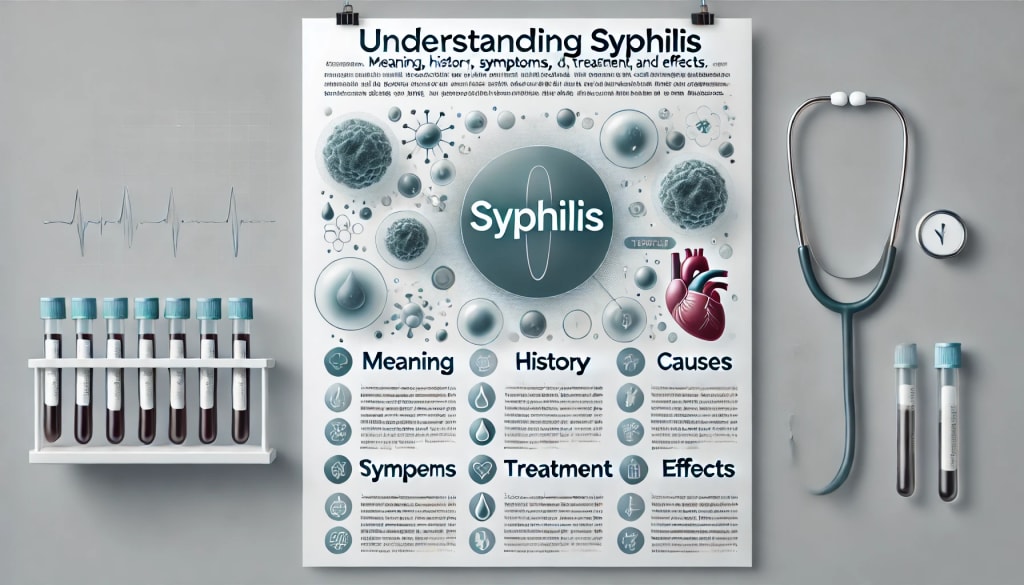
Meaning of Syphilis
Syphilis is an infection caused by the bacterium *Treponema pallidum*. It is characterized in stages and can be devastating if left untreated. This disease is known as "the great imitator" because its symptoms may closely resemble those of other diseases, which makes diagnosis strictly based on symptoms hard.
Syphilis has a long history, dating back to the late 15th century. It was first identified in Europe, where outbreaks occurred after Columbus's voyages to the Americas. The disease spread rapidly and became a major health crisis in the 16th century. Throughout history, syphilis affected people from all social classes, including royalty and famous figures. With the discovery of penicillin in the 20th century, syphilis became much easier to treat, and its prevalence declined sharply.
Symptoms of Syphilis
Syphilis progresses through four distinct stages: primary, secondary, latent, and tertiary, each with its own set of symptoms.
- Primary Stage: The primary stage of syphilis presents itself through the manifestation of a small, painless sore (chancre) at the site of infection, such as the genitals, rectum, or mouth. This sore develops within three weeks of exposure and heals on its own within a few weeks.
- Secondary Stage: Syphilis enters the secondary stage if not treated, with signs including rashes on the skin, lesions on the mucous membranes, and flu-like symptoms such as fever, sore throat, and swollen lymph nodes. The rash can occur on the palms of the hands or soles of the feet, along with patchy hair loss.
- Latent Stage: The bacteria stays in the body but are latent, which means that symptoms are not visible. At this stage, it could last for years and, in some cases, remain dormant and never progress into further stages. However, without treatment, syphilis can cause long-term damage in the body.
- Tertiary Stage: If left untreated, syphilis can progress to the tertiary stage, which may take years or even decades since the initial infection. It can cause serious complications like damage to the heart, brain, nerves, eyes, liver, and bones. The tertiary stage of syphilis is life-threatening and can cause permanent disabilities.
Causes of Syphilis
Syphilis is mainly transmitted through direct contact of a syphilis sore during vaginal, anal, or oral sex. Through mucous membranes or breaks in the skin, it enters the body. Mainly, sexual contact is the transmission mode, but syphilis can also be transmitted from an infected mother to her baby during pregnancy; this leads to congenital syphilis, a very severe condition that may even cause miscarriage, stillbirth, or infant death.
Syphilis cannot be transmitted through casual contact like sharing utensils, toilet seats, or touching objects. It requires direct contact with an infected sore.
Tests for Syphilis
Diagnosis of syphilis involves blood tests and, in some cases, physical examination of sores or rashes. There are two types of blood tests used to diagnose syphilis:
- Nontreponemal tests: These include tests like rapid plasma reagin (RPR) and Venereal Disease Research Laboratory (VDRL) tests. These detect antibodies produced in response to syphilis. It is primarily used for screening purposes, but sometimes they yield false-positive results.
- Treponemal tests: These tests include FTA-ABS and Treponema pallidum particle agglutination (TPPA), which detect antibodies to the bacterium *Treponema pallidum*. These tests are used to confirm the diagnosis of syphilis.
If congenital syphilis is suspected, the doctors may also perform other tests such as ultrasound, blood tests, or spinal fluid examination of the baby to check for signs of infection.
Treatment of Syphilis
The treatment for syphilis is relatively straightforward, especially if it is caught early. Penicillin is the most effective treatment, which is an antibiotic. In the case of early syphilis, one injection of penicillin is usually enough to cure the infection. However, for late-stage syphilis, multiple injections of penicillin may be required. In the case of a patient allergic to penicillin, other antibiotics such as doxycycline or azithromycin may be administered.
This infection needs to be fully treated even if symptoms go away; this will help ensure that the infection is completely eliminated. Blood tests after treatment are necessary to confirm whether the infection has been completely cured or not.
Effects and Results of Untreated Syphilis
If syphilis is not treated, it can cause severe health complications. In the tertiary stage, syphilis may damage vital organs such as the heart, brain, and nervous system. It can lead to neurological disorders, blindness, dementia, paralysis, and cardiovascular problems. Untreated syphilis in some cases can be fatal.
In the pregnant female, untreated syphilis has serious complications that may end up in miscarriage or stillbirth or congenitally infecting the new born. Infants so born with congenital syphilis may have deformities or developmental delays, seizures, or death.
Conclusion
Syphilis is a serious infection that can be treated. Early diagnosis and treatment can prevent complications and damage. The best way to protect yourself and others is by regular STI testing, practicing safe sex, and reporting symptoms to medical professionals. With proper care, syphilis can be completely cured and ensure a healthy future.
About the Creator
Usman Zafar
I am Blogger and Writer.
Keep reading
More stories from Usman Zafar and writers in Longevity and other communities.
I Wanna Health You
Most people want to achieve and maintain a healthy lifestyle, but it seems so overwhelming. With all the information available, it is difficult to know where to start. That’s where “I Wanna Health You” comes in. Our mission is to help you focus on the simple, practical steps that can lead to a Healthy You”. From nutrition and fitness to mental well-being, we’re here to guide you on your journey toward a healthier, happier life.
By Usman Zafarabout a year ago in Longevity
Doctors Hate How Simple This Longevity Secret Is (But It Might Add Years to Your Life)
Longevity has become one of the most talked-about topics in modern health. Everywhere you look, there are promises of anti-aging breakthroughs, advanced supplements, and complex routines designed to extend life. It creates the impression that living longer is complicated—something reserved for those with access to the latest science and unlimited resources.
By Lukáš Hrdlička3 days ago in Longevity
Scientists Are Shocked: This “Boring” Lifestyle Secret Might Be the Real Key to Living Longer
When people search for ways to live longer, they often expect something groundbreaking—a newly discovered supplement, a futuristic treatment, or a secret used by the ultra-wealthy. The idea that longevity could come down to simple, everyday habits feels almost disappointing.
By Lukáš Hrdlička3 days ago in Longevity
Boundless
A geographical map could take you there. To the places I've been, to the sights I've seen, to the landscapes I've climbed. But no compass could point you in the direction of my memories. To the experiences I've lived, to the happiness I've felt, to the wonder I've held so close to my heart.
By Alyssa Musso7 days ago in Writers



Comments (1)
That's a good one. Thanks for sharing.