
Understanding Bird Flu: What You Need to Know
Bird Flu Outbreak: Understanding the Risks, Impacts, and Prevention Strategies

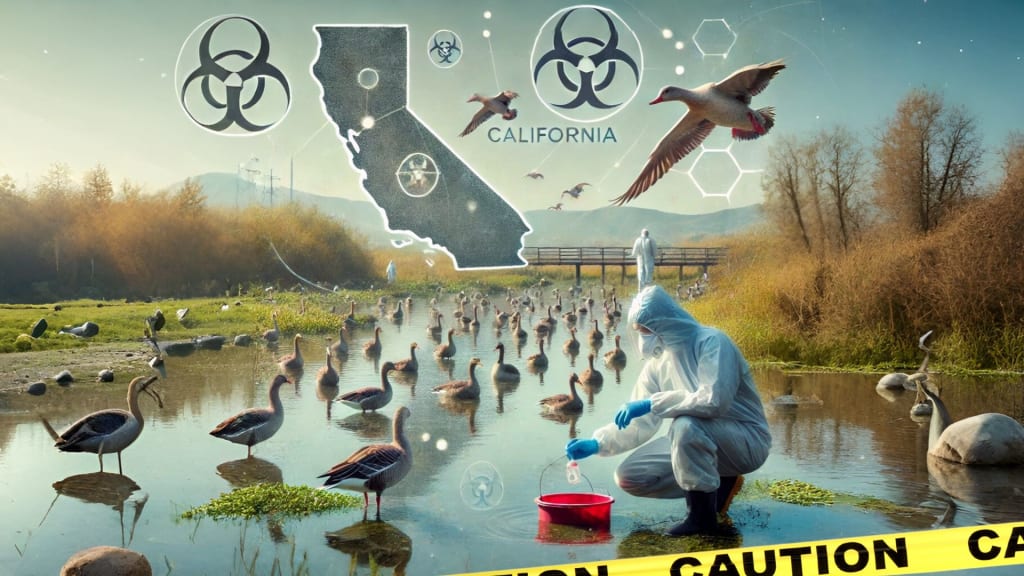
Bird flu, scientifically known as avian influenza, has recently become a pressing topic due to its alarming resurgence. This highly contagious viral infection primarily affects birds but has also been known to cross species barriers, posing potential risks to other animals and humans. As the H5N1 influenza virus drives the current outbreak, understanding its impact and prevention measures is crucial.
What is Bird Flu?
Bird flu is a viral infection that spreads rapidly among bird populations. It is caused by the H5N1 virus, a subtype of the influenza A virus. While it predominantly infects wild birds and poultry, rare cases of human transmission have been reported, especially through close contact with infected birds or contaminated environments.
Symptoms of Bird Flu
In Birds
Bird flu can wreak havoc on bird populations, often causing:
- Sudden death: Infected birds may die without showing prior symptoms.
- Decreased appetite and water intake: A noticeable drop in feeding habits.
- Respiratory distress: Signs like coughing, sneezing, and difficulty breathing.
- Decreased egg production: A reduction in the number and quality of eggs.
- Diarrhea
- Swelling: Particularly around the head, neck, and legs.
- Neurological issues: Tremors, paralysis, and other nervous system-related symptoms.
In Humans
Although human cases are rare, the symptoms can range from mild to severe and include:
- Fever
- Cough and sore throat
- Muscle aches
- Difficulty breathing
- Pneumonia
- In severe cases, death
The California Bird Flu Outbreak
Current Situation
California is grappling with a significant H5N1 bird flu outbreak. The situation has escalated to the point where the state has declared a state of emergency. This outbreak has not only impacted wild bird populations but also raised concerns about its potential ripple effects on public health and the poultry industry.
Impact
- Widespread bird deaths: The outbreak has decimated local bird populations, particularly among wild species.
- Threat to poultry industries: Commercial poultry farms face significant risks, including potential economic losses and supply chain disruptions.
- Public health concerns: While human infections remain rare, the potential for spillover cases has heightened vigilance among health authorities.
Government Response
In response to the crisis, California Governor Gavin Newsom has implemented a series of measures:
- Enhanced surveillance: Increased monitoring and testing of bird populations to identify and contain the virus.
- Movement restrictions: Temporary bans on the transport and gathering of poultry to prevent further spread.
- Public education campaigns: Efforts to inform residents about the risks and preventive measures.
Key Messages for the Public
The public plays a vital role in controlling the spread of bird flu. Here are essential guidelines to stay safe:
Avoid Contact with Sick or Dead Birds
- Do not touch or handle sick or dead birds: Direct contact can transmit the virus.
- Report unusual bird deaths: Notify local animal or health authorities immediately if you observe mass bird deaths in your area.
Practice Good Hygiene
- Wash your hands frequently: Use soap and water, especially after being outdoors or handling animals.
- Avoid touching your face: Refrain from touching your eyes, nose, or mouth without washing your hands.
- Cook poultry thoroughly: Ensure poultry and eggs are cooked to an internal temperature of at least 165°F to kill any potential virus.
Stay Informed
- Monitor news updates: Stay updated on the latest developments through trusted news sources and health advisories.
- Follow official guidelines: Adhere to recommendations from health and government authorities.
Latest Developments and Research
Experts are working diligently to understand and contain the current outbreak. Research is ongoing to:
- Develop more effective vaccines for birds and humans.
- Study the virus’s mutations to assess its potential for human transmission.
- Enhance diagnostic tools for quicker detection.
Visualizing the Crisis
Incorporating visuals can provide a clearer picture of the outbreak. Infographics, maps showing affected areas, and statistics on bird deaths and economic impacts can help readers grasp the severity of the situation.
Final Thoughts
The bird flu outbreak in California serves as a stark reminder of the interconnectedness of animal and human health. While the risks to humans are currently low, vigilance and proactive measures are essential to prevent further escalation. By staying informed, practicing good hygiene, and following government guidelines, individuals can play a part in mitigating the crisis.
As the situation evolves, continued research and collaboration between health authorities and the public will be key to overcoming this challenge. Together, we can protect not only our avian friends but also our communities from the potential threats of bird flu.
About the Creator
Det. Marcus
I'm a reporter, detective, YouTuber, and article writer based in Florida with 7+ years of experience. Since 2017, I've been uncovering stories, creating engaging content, and delivering unique perspectives across multiple platforms.
Keep reading
More stories from Det. Marcus and writers in Longevity and other communities.
Mikey Madison: Latest Updates and Insights
Mikey Madison, known for her compelling performances and versatile roles, continues to captivate audiences with her talent and charisma. As one of Hollywood’s rising stars, Madison’s career is flourishing with exciting projects, critical acclaim, and a growing fanbase. Here’s everything you need to know about her latest endeavors and updates.
By Det. Marcusabout a year ago in Journal
Day 4 of Quitting
If this is how sobriety feels, maybe it’s better to go through life a little buzzed… this, along with other hits like, I want to kill myself, I wish I was dead, and I’m going to throw myself off a bridge have been the only thoughts on rotation these past few days. I promise myself that if, in a month, I still feel like this (‘this’ meaning despondent, full of rage, and simultaneously numb) I can go back to smoking. Until mid-February though? Nicotine is off the table.
By sleepy drafts12 days ago in Longevity
The Hidden Power of the Nerve Endings in Your Feet
Most people don’t give much thought to their feet unless they’re uncomfortable or tired. Yet beneath the surface, the nerve endings in the feet are constantly working, sending vital information to the brain that influences balance, posture, and movement. These signals operate quietly in the background, but they play a far greater role in daily life than many people realize.
By AhmedFitLife5 days ago in Longevity



Comments
There are no comments for this story
Be the first to respond and start the conversation.