
Understanding and Managing Anxiety Disorders
Anxiety Disorders

Anxiety disorders affect millions of people worldwide, causing significant distress and interfering with daily functioning. These disorders can manifest in various forms, including generalized anxiety disorder, panic disorder, social anxiety disorder, and specific phobias. Understanding the nature of anxiety disorders and learning effective management strategies is crucial for individuals experiencing anxiety and those around them.
What is Anxiety?
Anxiety is a natural human response to stress or perceived threats. It is a normal and adaptive emotion that helps individuals prepare for and respond to potentially dangerous situations. However, when anxiety becomes excessive, persistent, and irrational, it can develop into an anxiety disorder.
Anxiety disorders are characterized by intense feelings of fear, worry, and apprehension. Individuals with anxiety disorders often experience physical symptoms such as rapid heartbeat, shortness of breath, sweating, trembling, and gastrointestinal distress. These symptoms can significantly impact their quality of life and ability to function in various settings.
Understanding Anxiety Disorders
Generalized Anxiety Disorder (GAD): People with GAD experience excessive and uncontrollable worry about various aspects of their lives, such as work, relationships, health, and everyday situations. This chronic worrying is often accompanied by restlessness, fatigue, difficulty concentrating, irritability, and muscle tension.
Panic Disorder: Panic disorder involves recurrent and unexpected panic attacks characterized by intense fear or discomfort. Panic attacks can occur suddenly, peaking within minutes and causing symptoms like a racing heart, chest pain, sweating, trembling, and a sense of impending doom. Fear of experiencing future panic attacks can lead to avoidance behaviors and significant distress.
Social Anxiety Disorder: Social anxiety disorder, also known as social phobia, involves an intense fear of social situations and being negatively judged or evaluated by others. People with social anxiety often avoid social interactions or endure them with extreme distress. Physical symptoms may include blushing, sweating, trembling, and difficulty speaking.
Specific Phobias: Specific phobias are excessive and irrational fears of specific objects, situations, or activities. Common examples include fear of flying, heights, spiders, needles, or enclosed spaces. Phobias can lead to avoidance behaviors and can significantly disrupt daily life.
Managing Anxiety Disorders
While anxiety disorders can be challenging to live with, effective management strategies are available to help individuals reduce symptoms and improve their overall well-being. Here are some essential approaches for managing anxiety disorders:
Psychotherapy: Psychotherapy, particularly cognitive-behavioral therapy (CBT), is a widely recognized and evidence-based treatment for anxiety disorders. CBT helps individuals identify and challenge negative thought patterns and beliefs that contribute to anxiety. It also teaches practical coping skills and relaxation techniques to manage symptoms effectively.
Medication: In some cases, medication may be prescribed to alleviate anxiety symptoms. Antidepressants, such as selective serotonin reuptake inhibitors (SSRIs) or benzodiazepines, are commonly prescribed to treat anxiety disorders. It is important to consult with a healthcare professional to determine the most appropriate medication and dosage for an individual's specific needs.
Lifestyle Modifications: Adopting a healthy lifestyle can significantly impact anxiety levels. Regular exercise, a balanced diet, adequate sleep, and stress management techniques (e.g., meditation, deep breathing exercises) can help reduce anxiety symptoms. Limiting the consumption of caffeine and alcohol, which can exacerbate anxiety, is also beneficial.
Support Network: Building a support network of understanding family members, friends, or support groups can provide invaluable emotional support and reassurance. Sharing experiences with others who have similar struggles can help individuals feel less alone and provide practical coping strategies.
Self-Care: Practicing self-care activities is essential for managing anxiety. Engaging in activities that bring joy and relaxation, such as hobbies, reading, listening to music,
In addition to professional treatment, lifestyle modifications play a crucial role in managing anxiety disorders. Engaging in regular exercise, adopting a balanced diet, getting enough sleep, and practicing stress-management techniques like meditation and deep breathing can help reduce anxiety symptoms. Building a strong support network of understanding individuals and prioritizing self-care activities are also important for managing anxiety disorders.
By understanding the nature of anxiety disorders and implementing effective management strategies, individuals can take control of their anxiety, improve their quality of life, and experience greater well-being.
About the Creator
Keep reading
More stories from STEPHEN SEYI MOYESAN and writers in Longevity and other communities.
Diabetes prevention and management
Introduction: Diabetes has become a global health concern, affecting millions of people worldwide. It is a chronic condition characterized by high blood sugar levels, either due to the body's inability to produce enough insulin (Type 1 diabetes) or the ineffective use of insulin by the body (Type 2 diabetes). The good news is that diabetes can be prevented, and for those already diagnosed, effective management strategies can help maintain a healthy and fulfilling life. In this article, we will explore key approaches to prevent and manage diabetes.
By STEPHEN SEYI MOYESAN3 years ago in Education
Day 4 of Quitting
If this is how sobriety feels, maybe it’s better to go through life a little buzzed… this, along with other hits like, I want to kill myself, I wish I was dead, and I’m going to throw myself off a bridge have been the only thoughts on rotation these past few days. I promise myself that if, in a month, I still feel like this (‘this’ meaning despondent, full of rage, and simultaneously numb) I can go back to smoking. Until mid-February though? Nicotine is off the table.
By sleepy drafts16 days ago in Longevity
Chicory Market Size and Forecast: A Global Industry Brewing Steady Growth (2025–2033)
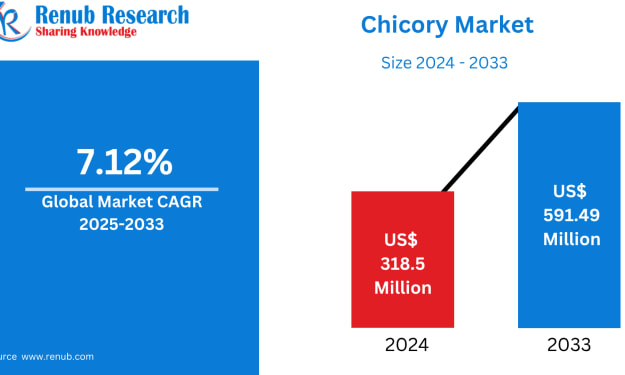
Global Chicory Market Outlook The global chicory market is experiencing a strong resurgence as health-conscious consumers, food manufacturers, and beverage brands rediscover this traditional plant for modern wellness applications. According to Renub Research, the chicory market is expected to reach US$ 591.49 million by 2033, rising from US$ 318.5 million in 2024, registering a CAGR of 7.12% from 2025 to 2033.
By Marthan Sira day ago in Longevity



Comments (2)
Thanks
This was a really informative write-up!