
Understanding Alzheimer’s: Causes, Symptoms, and Hope
A heartfelt look into the realities of Alzheimer’s, the science behind it, and why there’s still reason to believe in a brighter tomorrow.



A Quiet Thief of Time
Imagine sitting across from someone you’ve known all your life—your mother, father, spouse, or best friend—and they look at you with eyes that no longer recognize your face. It’s not just forgetting a birthday or misplacing keys. Alzheimer’s is a slow, painful unraveling of a person’s identity. It’s often called the long goodbye—a cruel thief of memories, language, emotions, and eventually, life.
Alzheimer’s isn’t just a condition that affects the elderly. It affects families. It breaks hearts, tests patience, and often challenges love. And yet, amidst the pain, there is understanding, compassion, and—most importantly—hope.
Let’s explore the causes, symptoms, and scientific hope behind this disease while honoring the lessons it teaches us about humanity.
What is Alzheimer’s Disease?
Alzheimer’s disease is a progressive neurological disorder that leads to the degeneration and death of brain cells. It is the most common cause of dementia, accounting for 60–80% of cases globally. It slowly impairs memory, thinking skills, and eventually, the ability to carry out even the simplest tasks.
Most cases are diagnosed in people over the age of 65, but early-onset Alzheimer’s can appear as early as one’s 40s or 50s.
It is not a normal part of aging.
The Causes: Why Does Alzheimer’s Happen?
Scientists don’t yet fully understand what causes Alzheimer’s, but research continues to uncover critical clues.
Amyloid Plaques and Tau Tangles
These are abnormal structures found in the brains of people with Alzheimer’s.
Plaques are clumps of a protein called beta-amyloid that build up between nerve cells.
Tangles are twisted fibers of another protein, tau, that build up inside cells.
These disrupt the normal functioning of neurons, eventually causing them to die.
Genetics
Family history can increase the risk.
Specific genes, like the APOE-e4 allele, are linked to a higher chance of developing the disease.
Lifestyle and Heart Health
Risk factors include high blood pressure, obesity, diabetes, smoking, and lack of exercise.
A heart-healthy lifestyle is also a brain-healthy lifestyle.
Environmental and Social Factors
Loneliness and lack of mental stimulation have also been linked to cognitive decline.
Alzheimer’s is likely the result of a combination of these factors—not just one single cause.
The Symptoms: What to Look For
The signs of Alzheimer’s can sometimes be dismissed as “normal aging,” but early detection is key.
Here are some of the most common symptoms:

Memory Loss
Forgetting recently learned information, important dates, or repeating the same questions.
Confusion with Time or Place
Getting lost in familiar places or misunderstanding dates and seasons.
Difficulty Completing Tasks
Trouble with planning or solving problems, such as managing bills or following a recipe.
Language Problems
Struggling to find the right words or calling things by the wrong names.
Poor Judgment
Making unusual decisions with money or neglecting personal hygiene.
Mood and Personality Changes
Becoming confused, suspicious, depressed, fearful, or anxious.
Early diagnosis can help manage symptoms and slow the progression with treatment and care strategies.
A Personal Story: The Day My Father Forgot My Name
It happened quietly. No dramatic breakdown. No warning. Just silence.
We were sitting in the garden, watching birds dart between branches, when I asked my father if he remembered the time we got lost during a camping trip. He smiled politely but said, “I’m sorry... have we met before?”
I froze.
That moment changed everything.
Alzheimer’s taught me patience. It taught me that love sometimes means letting go of being remembered and choosing, instead, to remember for two.
For every family going through this: You are not alone.
Is There Hope? Absolutely.
For decades, Alzheimer’s was viewed as an unstoppable force. But now, the narrative is shifting.
1. Breakthrough Research
New treatments are beginning to show promise. In recent years, drugs like lecanemab and donanemab have been developed to target amyloid plaques. While these are not cures, they offer hope by potentially slowing cognitive decline in early stages.
2. Lifestyle Interventions
Simple daily habits can make a significant impact:
Physical activity boosts brain function.
Brain games and reading keep neurons active.
Mediterranean diets rich in fruits, vegetables, and healthy fats show cognitive benefits.
Social engagement and meaningful conversation reduce risk.
3. Community and Caregiver Support
Support groups, therapy, and local memory cafes offer emotional and practical help. Caregivers need care too. It’s not weakness to seek help—it’s wisdom.
Lessons Alzheimer’s Teaches Us
Presence Over Perfection
The greatest gift you can give someone with Alzheimer’s is your presence. Even if they forget your name, they will remember how you made them feel.
Compassion Over Control
You can’t fix their memory, but you can be a calm presence when their world is confusing.
Cherish the Small Moments
A shared laugh, a gentle touch, a walk in the sun—these are victories.
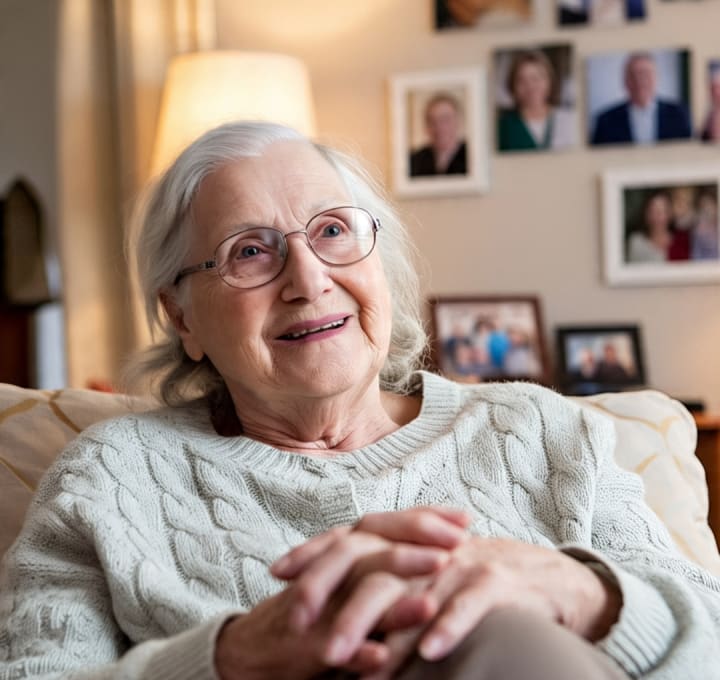
Moral: Love Remembers Even When the Mind Forgets
Alzheimer’s may steal memories, but it cannot steal the love that built them. Even when words are gone, love remains in a smile, a gaze, or a hand held tight.
We must remind ourselves and others: Those who live with Alzheimer’s are not empty shells. They are whole people experiencing a different version of reality, one that demands our respect, empathy, and presence.
As a community, we can do more than raise awareness. We can raise each other.
Final Thought
Alzheimer’s is a challenge, yes. But in the cracks of pain, beauty often shines. Whether you're a caregiver, a medical professional, a loved one, or someone simply seeking to understand—thank you.
Because understanding is the first step toward compassion.
And compassion is the first step toward hope.
About the Creator
Salman khan
Hello This is Salman Khan * " Writer of Words That Matter"
Bringing stories to life—one emotion, one idea, one truth at a time. Whether it's fiction, personal journeys.
Keep reading
More stories from Salman khan and writers in Longevity and other communities.
Benefits of Rosemary Tea for Health
Many people enjoy herbal teas for relaxation, but some of them offer more than just a comforting drink. Rosemary tea is one of those natural beverages that has been used for centuries for its potential health benefits.
By Veronica Bennettabout 8 hours ago in Longevity
Three in Four Women Unaware Menopause Can Trigger New Mental Illness, Poll Finds
A new poll has revealed a striking gap in public understanding of menopause and mental health, with nearly three in four women unaware that the hormonal transition can trigger the onset of new mental illnesses. The findings highlight a growing concern among health experts that psychological symptoms linked to menopause are being underestimated, misdiagnosed, or ignored altogether. Menopause is commonly associated with physical symptoms such as hot flashes, night sweats, and sleep disruption. However, medical professionals stress that the hormonal changes occurring during perimenopause and menopause can also have a profound impact on the brain. Fluctuating estrogen levels influence neurotransmitters like serotonin and dopamine, which regulate mood and emotional stability. For some women, this can result in anxiety, depression, panic disorders, or even more severe psychiatric conditions emerging for the first time in midlife. According to the poll, a majority of respondents believed menopause only worsens existing mental health issues rather than creating new ones. This misconception is worrying, experts say, because it delays diagnosis and treatment. Women experiencing sudden mood swings, intrusive thoughts, or prolonged low mood may not associate these symptoms with menopause and instead blame stress, work pressure, or family responsibilities. Mental health specialists report an increase in middle-aged women seeking help for symptoms that began during perimenopause. Many describe feeling unlike themselves for the first time in their lives, experiencing unexplained anxiety, emotional numbness, or depressive episodes. In some cases, women who had never previously struggled with mental illness suddenly find themselves needing therapy or medication. The stigma surrounding both menopause and mental illness adds another layer of difficulty. Many women hesitate to discuss emotional changes openly, fearing they will be dismissed as “overreacting” or told it is simply part of aging. As a result, they may suffer in silence for months or even years before seeking professional support. Healthcare providers also face challenges. General practitioners are often trained to focus on physical menopausal symptoms, while mental health symptoms may be treated separately without considering hormonal causes. This fragmented approach can lead to misdiagnosis. A woman might be prescribed antidepressants without being offered hormone therapy, or vice versa, even though a combined treatment plan could be more effective. Campaigners argue that menopause education needs urgent reform. Schools, workplaces, and healthcare systems should treat menopause as both a physical and psychological transition. Employers are also being encouraged to recognize menopause-related mental health struggles, especially as more women remain in the workforce into their 50s and 60s. Reduced concentration, fatigue, and emotional distress can significantly affect job performance if left unsupported. The poll also revealed generational differences in awareness. Younger women were slightly more informed about menopause and mental health than older respondents, suggesting that social media and online health campaigns are beginning to shift perceptions. However, experts warn that online information can be inconsistent and sometimes misleading, reinforcing the need for reliable public health guidance. Treatment options are available, and outcomes can be positive when menopause-related mental illness is identified early. Hormone replacement therapy (HRT), talking therapies, lifestyle changes, and in some cases medication can work together to stabilize mood and improve quality of life. Regular exercise, better sleep habits, and stress management are also known to ease symptoms. Ultimately, specialists say the findings should serve as a wake-up call. Menopause is not just a physical milestone but a complex biological transition that can reshape mental wellbeing. Recognizing this reality could prevent unnecessary suffering and help women access the care they need sooner. As awareness grows, advocates hope conversations around menopause will become more open and medically informed. Understanding that new mental health conditions can emerge during this stage of life is a crucial step toward removing stigma and ensuring that women are supported through every aspect of this significant change.
By Fiaz Ahmed 7 days ago in Longevity




Comments
There are no comments for this story
Be the first to respond and start the conversation.