
"Ultra-Processed Food: Understanding the Impact on Health and Navigating a Nutritious Diet"
"Unraveling the Dangers of Ultra-Processed Food and Practical Tips for a Healthier Lifestyle"

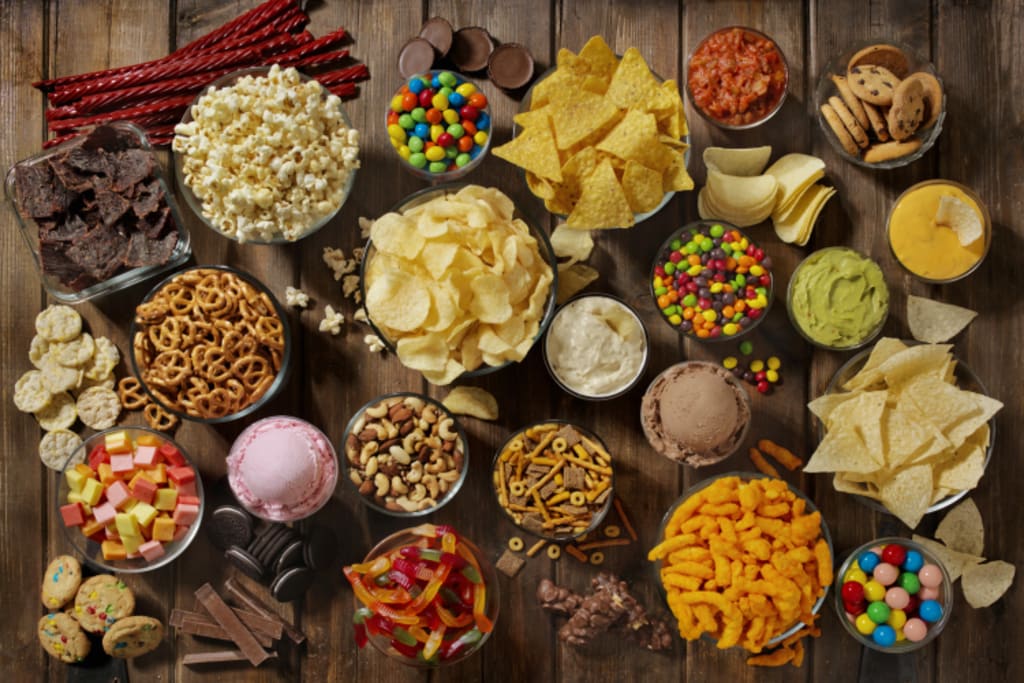
In today's fast-paced world, food processing has become a common practice to enhance the flavor, texture, and shelf life of various products. However, the rise of ultra-processed food has sparked concerns about its impact on human health and the importance of maintaining a nutritional diet. This article aims to explore the concept of ultra-processed food, its implications on health, and how to maintain a healthy diet without resorting to these heavily processed options.
"Health tip: Trade in ultra-processed food for a little bit of chopping and cooking – your body will thank you!"
1. What is Ultra-Processed Food?
Ultra-processed food refers to products that undergo multiple stages of industrial processing, often involving the use of additives, preservatives, and artificial flavors. Such products typically contain little to no whole foods and are characterized by their high content of sugars, unhealthy fats, and sodium. Examples include sugary cereals, soda, packaged snacks, ready-to-eat meals, and many fast-food items.
2. The Impact on Health:
Numerous studies have linked the consumption of ultra-processed food to various health issues. These products tend to be energy-dense, leading to excessive calorie intake, which can contribute to obesity and related conditions like type 2 diabetes and heart disease. Moreover, the excessive amounts of added sugars and unhealthy fats can negatively impact metabolic health, promoting inflammation and increasing the risk of chronic diseases.
3. Striving for a Healthy Diet:
The key to maintaining a healthy diet lies in focusing on whole, minimally processed foods. Here are some tips to achieve a balanced and nutritional diet:
a. Emphasize Whole Foods: Incorporate fruits, vegetables, whole grains, legumes, nuts, and seeds into your daily meals. These foods are rich in essential nutrients, vitamins, and minerals that support overall well-being.
b. Cook at Home: Preparing meals at home allows you to have full control over the ingredients you use, reducing the intake of harmful additives and excess sugars.
c. Read Labels: When buying packaged foods, read the nutrition labels carefully. Avoid products with lengthy ingredient lists containing unrecognizable additives and high levels of sodium or sugars.
d. Opt for Healthy Snacks: Instead of reaching for processed snacks, choose healthier alternatives like fresh fruits, Greek yogurt, raw nuts, or homemade energy bars.
e. Limit Sugary Beverages: Sweetened beverages, including soft drinks and sugary juices, contribute significantly to empty calories. Opt for water, herbal teas, or naturally flavored water as healthier choices.
f. Be Mindful of Portion Sizes: Even when consuming healthier options, moderation is key. Be mindful of portion sizes to prevent excessive calorie intake.
g. Plan and Prepare: Planning your meals in advance and having healthy snacks readily available can help you avoid the temptation of ultra-processed foods when hunger strikes.
"Ultra-processed food: Fueling your body with ingredients your grandma couldn't even pronounce!"
Ultra-processed foods have become a common part of the modern diet, but they pose significant risks to our health due to their low nutritional value and potential negative effects on metabolism. Prioritizing whole, minimally processed foods and avoiding ultra-processed options can contribute to a healthier lifestyle, reducing the risk of chronic diseases and promoting overall well-being. By making mindful choices about the foods we consume, we can enjoy a balanced and nutritional diet without compromising our health.
4. Understanding Food Processing:
Food processing is a broad term that encompasses various techniques used to transform raw ingredients into consumable food products. It includes processes like cleaning, sorting, cutting, cooking, and preserving. While some level of processing is necessary for food safety and accessibility, not all food processing is harmful. Minimally processed foods, such as frozen vegetables, canned beans, or dried fruits, can retain their nutritional value and be part of a healthy diet.
5. Identifying Ultra-Processed Food:
Recognizing ultra-processed food can be challenging due to the extensive list of ingredients used in their production. As a general rule, the more ingredients listed on a product's packaging, the more processed it likely is. Common additives in ultra-processed foods include artificial sweeteners, flavor enhancers, and stabilizers. Familiarizing yourself with food labels and ingredient lists can help you make informed choices.
6. The Need for a Balanced Diet:
While avoiding ultra-processed food is essential, it is equally crucial to maintain a balanced diet. A balanced diet should include a variety of foods from different food groups, providing essential nutrients to support overall health. Nutrients like vitamins, minerals, protein, healthy fats, and fiber all play crucial roles in bodily functions and should be part of your daily intake.
7. Moderation and Occasional Indulgences:
Striving for a healthy diet doesn't mean you have to completely eliminate all your favorite treats. Moderation is key. Occasionally indulging in your favorite ultra-processed snacks or desserts is acceptable. The problem arises when such foods become a regular part of your diet, replacing nutrient-dense options.
8. Meal Planning and Prepping:
Meal planning can significantly help you stay on track with a healthy diet. Set aside time each week to plan your meals and snacks, incorporating whole foods and fresh produce. Preparing your meals in advance and having healthy options readily available can reduce the temptation to opt for convenience foods.
9. The Role of Water:
Water is an essential component of a healthy diet. Drinking enough water daily helps maintain bodily functions, aids digestion, and keeps you hydrated. Sometimes, feelings of hunger can be mistaken for thirst. Staying hydrated can help you avoid unnecessary snacking and overeating.
10. Seek Professional Advice:
If you're uncertain about what constitutes a healthy diet or need personalized guidance, consider consulting a registered dietitian or nutritionist. They can assess your specific needs, preferences, and health goals to develop a tailored plan that works best for you.
"Ultra-processed food: Where 'nutrition' and 'instant gratification' play hide-and-seek, and health always loses!"
Understanding the concept of ultra-processed food and its implications on health is vital in making informed decisions about what we eat. Opting for whole, minimally processed foods while limiting ultra-processed options can significantly improve overall health and reduce the risk of diet-related diseases. Striving for a balanced diet, meal planning, and staying hydrated are essential components of maintaining a nutritional diet. Remember, a healthy lifestyle is a journey, and small, sustainable changes can lead to significant improvements in your well-being over time.
11. The Downside of Ultra-Processed Food:
Ultra-processed foods are often designed to be highly palatable, leading to overconsumption and potential addiction-like behaviors. The combination of excessive salt, sugar, and unhealthy fats can create a rewarding sensation in the brain, leading individuals to crave and consume these foods more frequently.
12. Nutritional Deficiencies:
Regularly relying on ultra-processed food can result in nutritional deficiencies. These foods lack essential nutrients found in whole foods, such as vitamins, minerals, and antioxidants, which are crucial for maintaining optimal health and preventing chronic diseases.
13. Impact on Gut Health:
Studies suggest that diets high in ultra-processed foods may negatively affect gut health. The lack of dietary fiber and prebiotics in these products can lead to imbalances in the gut microbiome, potentially contributing to digestive issues and immune system dysregulation.
14. The Role of Food Advertising:
The marketing of ultra-processed food, especially to children and adolescents, can heavily influence food choices. Companies often use attractive packaging and targeted advertising to promote their products, making it crucial to be aware of these tactics and maintain a critical eye when making food choices.
15. Practicing Mindful Eating:
Practicing mindful eating involves paying attention to hunger cues, eating slowly, and savoring each bite. This approach can help prevent overeating, improve digestion, and enhance the overall eating experience.
16. Social Support:
Maintaining a healthy diet can be more manageable with the support of friends, family, or community groups. Engaging in healthy eating habits together and sharing recipes or meal ideas can foster a supportive environment for positive lifestyle changes.
17. Healthy Cooking Techniques:
How you prepare food can significantly impact its nutritional value. Opt for healthier cooking techniques such as baking, steaming, grilling, or sautéing instead of deep-frying or using excessive amounts of oil and salt.
18. Farmers' Markets and Local Produce:
Supporting local farmers and purchasing fresh produce from farmers' markets can provide you with a wide variety of seasonal fruits and vegetables. These locally sourced options often have higher nutrient content and are free from extensive processing and preservatives.
19. Listen to Your Body:
Every individual's nutritional needs can vary based on factors like age, gender, activity level, and health status. Listening to your body and understanding its unique requirements can help you tailor your diet accordingly.
20. Sustainable Eating:
In addition to focusing on nutrition, consider the environmental impact of your food choices. Choosing sustainably sourced and locally grown foods can support eco-friendly practices and contribute to a healthier planet.
"Ultra-processed food: It's like a food costume party, but your body knows it's just junk in disguise!"
Ultra-processed food presents significant challenges to maintaining a healthy and nutritional diet. Understanding the potential negative effects of these foods and making informed choices is crucial for promoting overall well-being. By prioritizing whole, minimally processed foods, practicing mindful eating, and seeking social support, you can embrace a sustainable and balanced approach to eating that supports both your health and the environment. Remember that small, consistent changes in dietary habits can have a profound impact on your long-term health and quality of life.
About the Creator
Go With Trend
"Express, Connect, Impact - Welcome to "Go With Trend"!
Discover the magic of Letters on our vibrant platform. 🎙️ Share stories, sing your heart out, and connect with a global audience. 🌍 Unleash your creativity today! ✨ #"Go With Trend"
Keep reading
More stories from Go With Trend and writers in Longevity and other communities.
Psychological Stress and Mental Health Therapy: Understanding, Coping, and Healing
Psychological stress is a common experience that affects individuals on various levels, impacting their mental health and overall well-being. The prevalence of stress-related disorders has been steadily increasing, necessitating effective therapeutic approaches to address these issues. Mental health therapy plays a crucial role in helping individuals cope with and manage stress, promoting emotional resilience and improved quality of life. This article will explore the concept of psychological stress, its impact on mental health, and various therapeutic strategies that can be employed without plagiarizing existing sources.
By Go With Trend3 years ago in Longevity
UK Sees Highest Temperature of the Year, Snow and Blood Rain in Last 48 Hours
From warmest day so far to Saharan dust showers and hill snow — Britain’s weather has swung dramatically this week. In a remarkable turn of meteorological events, the United Kingdom has experienced an extraordinary mix of weather over the past 48 hours — recording its highest temperature of the year, followed by snowfall in parts of the north and a rare “blood rain” event linked to Saharan dust. These dramatic swings illustrate the UK’s characteristic weather variability and underline the influence of dynamic atmospheric patterns across Europe. Warmest Day of 2026 So Far On Thursday, parts of England basked in unusually mild conditions for early March, with the Met Office confirming a high of 19.2 °C in Northolt, west London — the warmest day recorded in the UK so far this year. This exceeded the previous 2026 peak of 18.7 °C at Kew Gardens earlier in the week and briefly made British temperatures warmer than those in Barcelona. Forecasters attributed the warmth to a surge of mild southerly air drawn up from southern Europe and North Africa. These warm air currents not only boosted temperatures but also transported fine dust particles from the Sahara Desert into the British atmosphere — setting the stage for the unusual rain events that followed. The Saharan Dust Effect and “Blood Rain” As the warm, dusty air crossed north over the Atlantic and Europe, it brought with it a visible cloud of Saharan dust. When this dust mixes with rain falling through the atmosphere, the resulting droplets can carry red or orange‑tinted particles — a phenomenon colloquially known as “blood rain.” While the term suggests something sinister, scientists emphasise that the event is purely natural. The colour comes from mineral dust in the rain droplets, not from any harmful substance. The dust, lifted from the Sahara Desert and carried thousands of kilometres, can settle as a reddish film on cars, windows and outdoor surfaces after rain. Weather services noted that while the dust concentration was not high enough to make the rain itself look vividly red as it fell, the residue left behind after showers was noticeable across parts of England and Wales. These dust‑enhanced skies also created striking sunsets and sunrises for many observers. Snow in the Hills: A Chill Returns Just as residents were putting away winter coats after the warm spell, colder air pushed back into the UK from the north. This led to snowfall over high ground in parts of northern England and southern Scotland, including areas of the Yorkshire Dales and near Edinburgh. The rapid shift in conditions — from near‑20 °C sunshine to wintry precipitation — highlighted the UK’s unpredictable transitional weather between seasons. Local authorities in these rural areas reported icy road conditions and some vehicles becoming stuck on snowy roads, prompting police and emergency services to advise caution over the weekend. Broader Weather Trends and Outlook Experts say these rapid temperature swings are consistent with the UK’s maritime climate and the interplay of high and low pressure systems during early spring. Meteorologists also point out that February 2026 was unusually mild and dull overall, with southern England registering average winter temperatures among its warmest on record. Despite the warm peak, forecasters predict a cooler, wetter and windier period ahead, as Atlantic weather systems return. This means more frequent showers, gusty winds and temperatures falling back toward seasonal norms in the coming week. Public Reaction and Preparations Across social media, many Britons shared photos of the vivid orange‑tinged skies and dusty windshields, marveling at the strange mix of weather phenomena experienced in such a short span of time. Others were reminded that, despite signs of spring, the UK can still deliver winter chill without warning. The Met Office continues to advise people to stay updated with local forecasts — especially if planning outdoor activities or travel in areas where sudden snow or rain might affect conditions.
By Fiaz Ahmed 5 days ago in Longevity
Worth the Wait: Puerto Viejo, Costa Rica
Beach bumming in a small Caribbean beach town sounded like a perfect way to end our 6-month trip through Mexico and Central America. Or so we thought. The foul, fishy stench of rotten seaweed hit our nostrils as we stepped from the cramped bus and looked out at a rather depressing, empty, and underwhelming black sand beach. It was pouring with rain, and we had to quickly fish out our ponchos. We thought, this couldn’t be it, could it?
By Sh*t Happens - Lost Girl Travel6 days ago in Wander




Comments
There are no comments for this story
Be the first to respond and start the conversation.