
Traditional massage techniques and modern applications from each Asian country
Countries around the world have developed unique and rich massage traditions. In China, various massage techniques have evolved within cultural contexts, such as tuina and acupressure, which emphasize the flow of energy, in Thailand, stretching and pressure-based massage, and in Japan, shiatsu.
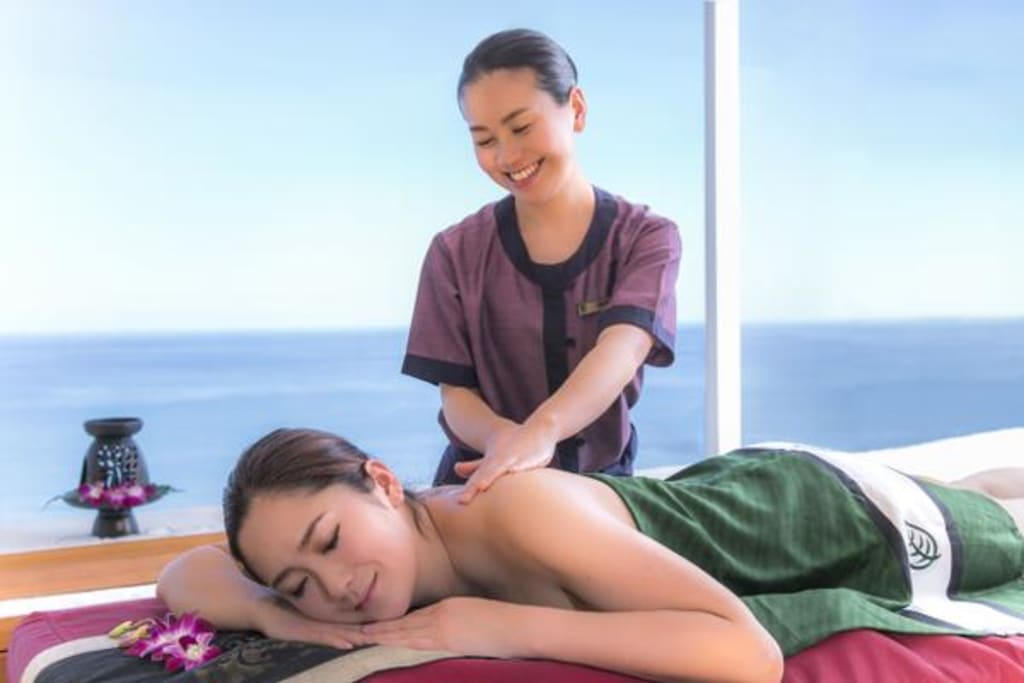
Introduction
Massage is a traditional body care technique that uses manual pressure and movement to heal and relax the human body. Its history dates back thousands of years and has been recognized as an important means of healing and relaxation since ancient civilizations.
Culturally, each country has developed its own unique and rich massage traditions. In China, various massage techniques have evolved within cultural contexts, including tuina and acupressure, which emphasize the flow of qi energy, Thai stretching and pressure-based massage, and Japanese shiatsu.
This study focuses on traditional massage in China, Thailand, and Japan, exploring in depth the unique massage techniques, philosophical backgrounds, and ways in which they are utilized in modern society. Through this, we aim to understand the cultural diversity of massage and its therapeutic value.
Traditional Chinese Massage
Traditional Chinese massage is a healing art with a history of thousands of years and is deeply connected to the fundamental philosophy of Traditional Chinese Medicine (TCM). At the core of this massage tradition is the concept of 'qi', which aims to harmonize and restore balance to the energy flow of the human body.
Tuina (推拿) is a representative technique of traditional Chinese massage that uses various manual techniques to stimulate muscles and meridians and improve energy flow. It uses techniques such as pushing, pulling, rotation, and friction to relieve energy blockages in the body and promote overall health.
Acupressure (指壓) is also an important Chinese massage technique that stimulates specific acupoints with finger pressure to promote the body’s natural healing ability. This technique provides a variety of health benefits, including pain relief, stress reduction, and improved circulation.
Traditional Chinese massage is playing an increasingly important role in modern healthcare and wellness. It is utilized in a variety of settings, including hospitals, rehabilitation centers, and spas, to manage pain, reduce stress, and promote overall well-being. It is recognized as particularly effective in treating chronic pain, musculoskeletal disorders, and stress-related symptoms.
What is unique about traditional Chinese massage is that it goes beyond simple physical contact and seeks total harmony between the mind and body. This holistic approach, which simultaneously considers the balance of the body, mind, and emotions, is increasingly recognized in modern medicine.
Thai Traditional Massage
Thai traditional massage is a unique and holistic healing art with a history of thousands of years, and has deep connections to Buddhist culture. Its origins are a fusion of Indian Ayurvedic medicine and traditional Chinese medicine elements, and it has developed independently within the cultural context of Thailand.
The most distinctive feature of Thai massage (นวดแผนไทย) is the full-body stretching and pressure-based technique known as 'yoga-like massage'. This massage aims to harmonize the body's energy flow and heal the whole person beyond simple physical contact. The practitioner stretches and applies pressure to the subject's body using various body parts such as hands, elbows, knees, and feet.
A representative Thai massage technique is the traditional massage method called 'Nuang Boran'. This technique is performed while the subject lies comfortably on a mat on the floor, and the masseuse stretches and applies pressure to various parts of the body. Each movement is performed along energy pathways (energy lines), increasing the body's flexibility and improving energy flow.
In modern society, traditional Thai massage has become an important part of the tourism and wellness industry. Tourists enjoy this unique massage experience in numerous spas and massage centers in cities such as Bangkok and Phuket, and it has become an important means of promoting Thailand’s cultural identity.
The healing effects of Thai massage are increasingly recognized in modern medicine. It offers a variety of health benefits, including stress reduction, muscle relaxation, improved blood circulation, and increased flexibility, and is especially effective in managing chronic pain and psychological stability.
Traditional Japanese Massage
Traditional Japanese massage is a unique healing art that has developed under the deep influence of oriental medicine and philosophy. Its origins are closely linked to the traditional Japanese medical system, and the philosophical approaches of Buddhism and Taoism are deeply ingrained in the massage technique.
Shiatsu (指圧, しあつ) is a representative technique of traditional Japanese massage, and is a combination of the words “指 (finger)” and “圧 (pressure).” This technique is a unique form of massage that combines Chinese meridian theory with Japan’s unique healing methods. The essence of shiatsu is to apply pressure to specific acupoints on the body with the fingers, palms, and elbows to regulate energy flow and promote the body’s natural healing ability.
Anma (按摩) is also an important part of traditional Japanese massage. This technique focuses on relaxing muscles, improving blood circulation, and relieving pain. Traditionally practiced by the visually impaired, anma has deep cultural significance in Japanese society and has been recognized as an important form of treatment and care.
Traditional massage is actively utilized in various fields in modern Japanese society. In the field of sports medicine, shiatsu and anma techniques are widely used to help athletes recover their muscles and prevent injuries. The importance of these massage techniques is especially emphasized among athletes of traditional Japanese martial arts such as judo and karate.
Traditional Japanese massage also holds an important position in the beauty and wellness industry. It provides benefits such as improving skin elasticity, relieving stress, and restoring overall body balance through facial and full body massages. These traditional techniques are reinterpreted and offered in modern ways in urban spas and massage centers.
What is unique about traditional Japanese massage is that it goes beyond simple physical contact to pursue a harmonious balance of mind and body. This integrated approach to body, mind and emotions is increasingly recognized in modern medicine and wellness culture.
Conclusion
Traditional massage is an important cultural heritage that goes beyond simple physical treatment and reflects the deep healing philosophy of each culture. The Chinese energies of harmonization, the Thai holistic approach and the Japanese pursuit of mind and body balance all demonstrate the common value of pursuing total human well-being.
These traditional massage techniques are playing an increasingly important role in modern medicine and wellness industries. They offer a variety of health benefits, including stress reduction, pain management and energy balance restoration, and their value and importance in the global medical and wellness field are expected to increase in the future.
Introducing a massage job search site that is popular as a high-income job in modern society, and in addition to job search, there is also massage information and lifestyle health information, so please come and get a lot of health information. Thank you.
About the Creator
Mr. choi
I think you can enjoy sports more if you have basic knowledge about sports. I want to create opportunities to learn little by little. I want to provide information such as sports broadcasts and sports news.
Day 4 of Quitting
If this is how sobriety feels, maybe it’s better to go through life a little buzzed… this, along with other hits like, I want to kill myself, I wish I was dead, and I’m going to throw myself off a bridge have been the only thoughts on rotation these past few days. I promise myself that if, in a month, I still feel like this (‘this’ meaning despondent, full of rage, and simultaneously numb) I can go back to smoking. Until mid-February though? Nicotine is off the table.
By sleepy drafts12 days ago in Longevity


Comments
There are no comments for this story
Be the first to respond and start the conversation.